
#cat food deals
#cat treats
#lickable cat treats
#pet deals
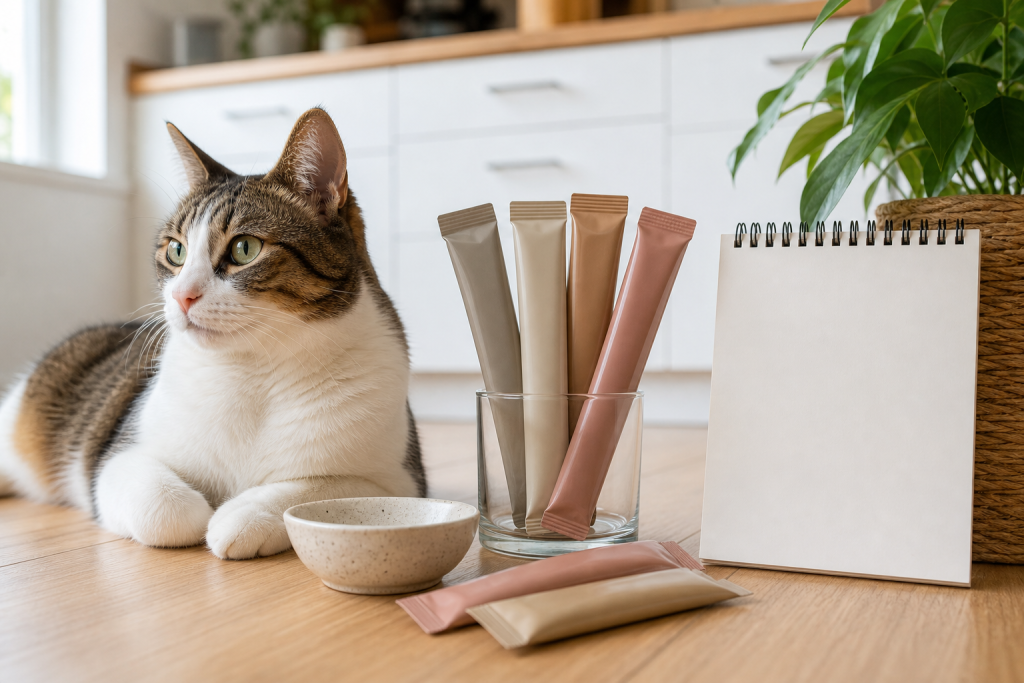
A lickable cat treat deal can stop being a deal when the tubes replace food, hide the real cost per serving or push you into a bulk pack your cat will not finish. These creamy treats can be useful for bonding, hydration support or hiding a small routine reward, but most are still treats, not a complete meal. Before checkout, check the feeding statement, calories, tube count, autoship terms and your cat’s diet needs.
Why this treat aisle is getting harder to shop
Lickable cat treats have moved from a niche reward to a mainstream cat-shopping staple. They show up in Amazon cat treat best-seller lists, Chewy product pages and current PetSmart cat-treat promotions, often in big variety packs or first-order Autoship offers. That makes the price look easy to compare, but the real question is whether the product fits your cat’s daily calories and your actual feeding routine.
The label matters because treats sit in a different role from complete cat food. AAFCO says treat products are not usually intended to provide complete and balanced nutrition, while the FDA tells shoppers to look for the nutritional adequacy statement when deciding whether a food meets a pet’s needs. WSAVA’s cat treat guidance also keeps the serving limit simple: treats should make up no more than 10% of a cat’s daily calories.
The checkout mistake that makes a cheap tube expensive
The common mistake is comparing only the pack price. A four-count pack, a 20-count box and a 120-count case can all look attractive in different ways, but they answer different needs. The better comparison is cost per tube, calories per tube, how quickly your cat can reasonably use the box and whether the flavor mix includes varieties your cat actually eats.
Also check whether the product is labeled as a treat, a topper or a complete and balanced food. If it is only a treat, it should not become the main meal because the texture is convenient or because your cat begs for it. If your cat is losing weight, refusing regular food or needs medication help, ask your veterinarian instead of using a treat deal as the fix.

What to check before you buy a multipack
- Nutritional adequacy statement: Look for whether the product is a treat, topper or complete and balanced food for a stated life stage.
- Calories per tube: Count the tube as part of the day’s treats. If the label is unclear, check the manufacturer or retailer details before ordering.
- Tube size: A 0.5-ounce tube and a smaller tube are not the same deal, even if the pack count looks similar.
- Flavor risk: Variety packs are useful only if your cat accepts the flavors. Seafood-heavy packs may not suit every cat’s diet plan.
- Texture and storage: Once opened, follow the label’s storage instructions. Do not leave opened wet treats out like dry kibble.
- Life stage claims: Kitten, senior and urinary-style marketing should not replace veterinary advice for cats with health needs.
- Autoship timing: A monthly case can become waste if your cat eats one tube only occasionally.
Deal and coupon checks that matter
Retailer promos on cat treats often stack excitement around points, first-order Autoship savings, buy-more offers or online coupon codes. Treat those as checkout details, not proof that the product is right for your cat. Confirm the final cart price, subscription price after the first order, shipping threshold, cancellation window and whether the specific flavor or case size qualifies.
For bulk cases, divide the cart total by the number of tubes and then by the number your cat can reasonably use. A larger box can be cheaper per tube and still be wasteful if your cat rejects half the flavors or if you use the product only for nail trims, carriers or medication routines. Check return terms too, because opened food and treat products may be handled differently from ordinary hard goods.
What to avoid
Avoid using a creamy treat as a meal replacement unless the label clearly says the product is complete and balanced for your cat’s life stage and your veterinarian agrees with that use. Avoid buying the biggest case first, especially for a picky cat. Avoid assuming “grain-free,” “high protein,” “senior” or “hairball” language means the treat solves a medical or nutrition problem.
Be careful with daily routines. One tube can look small, but treats add up fastest when they become an automatic habit after every meal, every medication attempt and every time you open the pantry. If your cat is overweight, underweight, diabetic, on a urinary diet or has kidney, digestive or allergy concerns, ask your veterinarian how treats should fit into the plan.
When a lickable treat is worth buying
These treats can make sense when you use them deliberately. They can help with bonding, low-stress handling, carrier training or a small reward after grooming. They can also add moisture compared with dry crunchy treats, though they are not a substitute for a complete wet-food diet or a water plan if your cat has a medical need.
A safer first buy is usually a small pack in one or two flavors. If your cat accepts it and the calories fit, then compare larger packs, subscription discounts and retailer coupons. That order of operations protects you from turning a cute treat trend into an expensive drawer of rejected tubes.
Quick answers
Can cats have lickable treats every day?
Some cats can, but the serving still needs to fit within the treat portion of the daily diet. WSAVA’s cat treat guidance says treats should make up no more than 10% of daily calories.
Are lickable cat treats complete food?
Usually no. Check the nutritional adequacy statement. If the product is labeled as a treat, use it as a treat, not as the main diet.
Is a 120-count case a better deal?
Only if your cat likes the flavors, the calories fit and you will use the tubes before they become clutter or expire. Compare cost per tube and the subscription price after any first-order discount.
Should I use lickable treats for medicine?
Ask your veterinarian or pharmacist first. Some medications have specific food, timing or dosing instructions, and a treat should not interfere with that plan.
Sources
Sources last checked June 15, 2026, 01:40 Europe/Rome.
- AAFCO, Treats and Chews and Reading Labels.
- FDA, “Complete and Balanced” Pet Food and Pet Food.
- WSAVA, Feeding Treats to Your Cat.
- Association for Pet Obesity Prevention, 2025 Pet Obesity and Nutrition Opinion Survey resources.
- Amazon Best Sellers, Cat Treats, used as a current shopping-demand signal only.
- Chewy product listings for lickable cat treats and PetSmart cat treat sale pages, used as current retailer/deal-context signals only.