
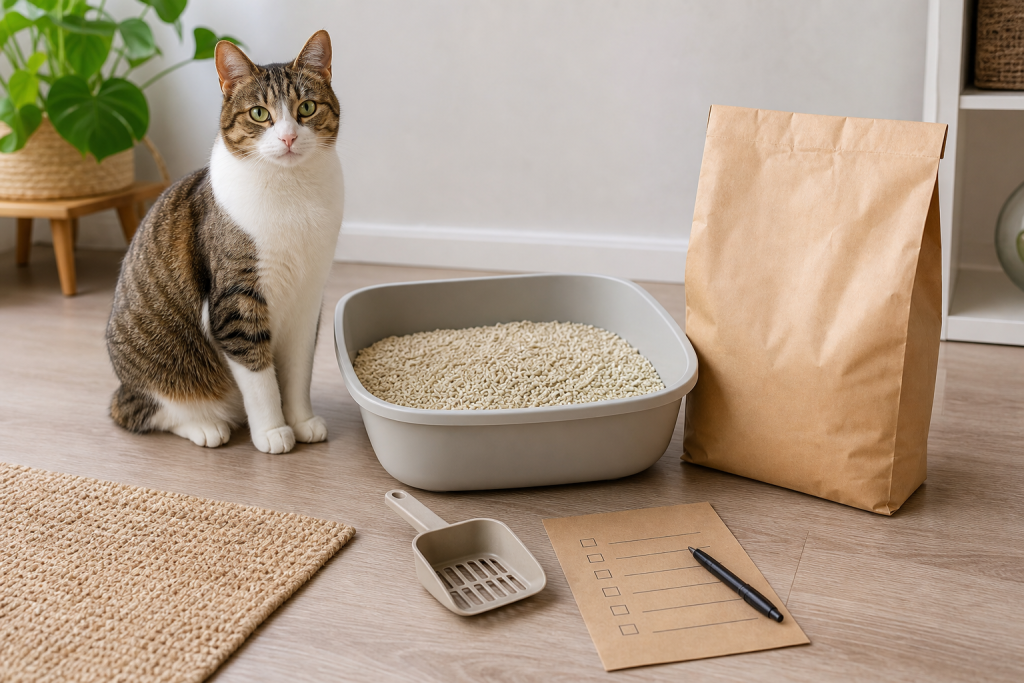
#cat litter deals
#natural cat litter
#pea husk litter
A pea husk cat litter deal can backfire when you buy the biggest box before your cat has accepted the texture and scent. The safer move is to test a small amount first, compare the real cost by usable days, and keep your old litter on hand for a gradual switch. If the listing leans hard on “natural,” “dust-free” or “lasts longer,” check what those claims mean before the carton lands at your door.
Why pea husk litter is showing up in carts now
Plant-based cat litter is no longer a niche shelf. Catit is currently featuring Go Natural pea husk litter in its trending cat-product surface, alongside fountains, carriers, dishes and interactive toys. Retail listings also make pea husk litter easy to compare against tofu, corn, pine, crystal and clay options.
The appeal is obvious. Pea husk litter is usually marketed as lightweight, clumping and lower dust than many traditional options. Catit’s official product page says its pea husk litter uses recycled pea husks blended with clumping agents such as starch, corn powder and guar gum, and its unscented version is positioned for households that prefer no added fragrance.
That does not mean every cat will like it, or that every sale price is a better deal than your current litter. A cat litter discount only saves money if the cat uses the box, the clumps survive normal scooping and the bag lasts long enough to justify the switch.
The checkout mistake: buying volume before acceptance
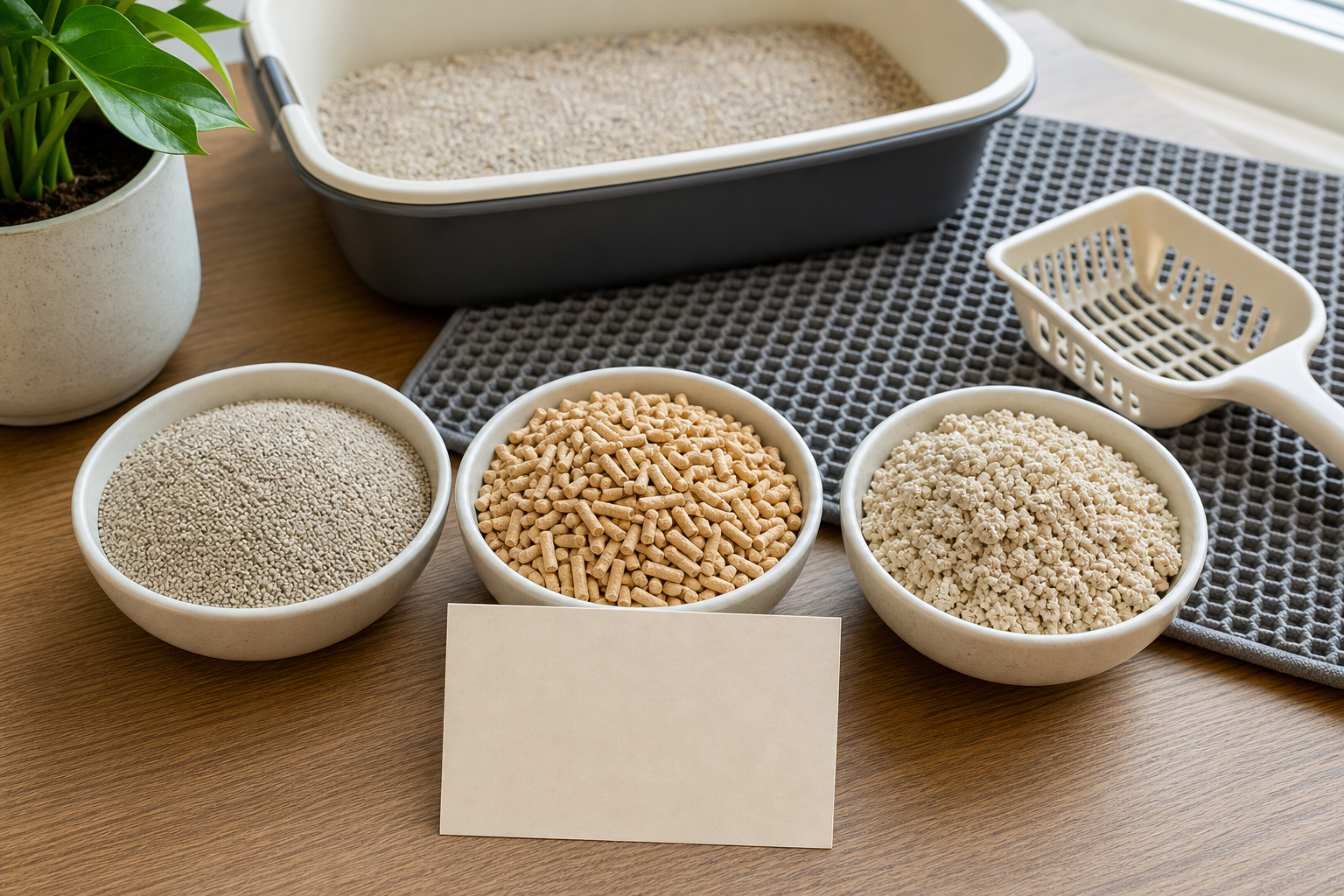
The biggest mistake is treating pea husk litter like a direct swap for whatever is already in the box. Cornell’s Feline Health Center warns that cats may dislike a new litter, especially after a sudden brand change, and recommends switching gradually if you must change brands. Ohio State’s Indoor Pet Initiative also notes that many cats prefer fine-grained, unscented litter and may be put off by scented or deodorant litters.
Pea husk litter often has a different pellet shape and foot feel from fine clay litter. Some cats will not care. Others may step in, hesitate, perch on the edge or choose a nearby rug. That is not a failed coupon, it is a failed transition plan.
Before you buy the biggest box, ask three questions. Is there an unscented version? Can you buy one carton or bag before committing to a multi-pack? Does the retailer’s return policy realistically help once the product is opened and partly used?
What to check before buying pea husk cat litter
Start with scent. If your cat already uses unscented litter, do not let a lavender or vanilla sale price make the decision for you. Scented litters can be convenient for human noses, but the cat has to stand in that smell every time.
Next, check pellet size and texture. Pea husk pellets are not the same as sand-like clay granules. A cat with sensitive paws, arthritis, recent surgery or a strong preference for fine litter may need a slower trial. If your cat has pain, urinary signs, sudden accidents or stress around the box, treat that as a vet question, not a shopping problem.
Then compare the cost by expected use, not just the box weight. Catit says one box of its Go Natural pea husk litter lasts about 60 days for a single cat, but that is a brand claim tied to its product, not a guarantee for every household. Multi-cat homes, deep litter boxes, frequent full changes and picky scoopers can shorten that timeline.
Finally, check whether your litter box setup fits the material. Lightweight pellets can track differently from clay, and clumping behavior may vary with urine volume and scoop style. If you use an automatic litter box, read the machine’s litter compatibility rules before buying any plant-based litter.
Deal and coupon checks before paying
A pea husk litter coupon is most useful when it lowers the risk of a trial. A small first box, a single-bag discount or a store pickup deal is often smarter than a bulk order you cannot use. Free shipping can still be useful because litter is bulky, but check whether the order minimum pushes you into buying more than your cat has tested.
On retailer pages, look for the exact variant in the cart. Unscented, vanilla, lavender and multi-cat formulas should not be treated as interchangeable. Also check whether a listing is sold by the retailer directly or by a marketplace seller, since return paths and customer support can be different.
Do not assume a subscription is cheaper forever. If you set up Autoship or another repeat order, confirm the first-order discount, the future recurring discount, the shipment frequency, the cancellation controls and what happens if the product goes out of stock. A litter your cat rejects should not keep arriving every month.
How to run a low-risk litter trial
Keep the old litter available. Mix a small amount of the new pea husk litter into the current litter, then increase it only if your cat keeps using the box normally. For sensitive cats, a second litter box with the new litter can be less disruptive than changing the only box overnight.
Watch the behavior, not just the clumps. A good trial means your cat enters calmly, digs normally, covers waste and returns to the box without accidents. If the cat avoids the box, stops burying, cries, strains or urinates outside the box, stop treating it like a product preference and call your vet.
During the trial, track how much litter you actually use. A lightweight litter can feel expensive by the pound and more reasonable by the day, but only your home usage will tell you which is true. Write the open date on the carton and note when the box needs a full refresh.
What to avoid
Avoid buying a huge bulk pack solely because the per-pound price looks better. If your cat refuses the texture, the cheap box becomes expensive clutter.
Avoid switching every litter box in the house at once. Cats that are steady box users can become unreliable when the box smell, texture and depth all change together.
Avoid trusting “dust-free” as a medical promise. Lower dust can matter for cleanup and comfort, but respiratory symptoms, coughing, sneezing or eye irritation deserve professional advice.
Avoid flushing plant-based litter unless the product instructions and local plumbing rules clearly allow it. “Natural” does not automatically mean safe for pipes, septic systems or municipal rules.
Quick answers
Is pea husk cat litter the same as tofu litter?
No. Both are plant-based litter styles, but pea husk and tofu litters can differ in ingredients, pellet feel, scent options, clumping behavior and tracking. Compare the exact product, not just the natural-litter label.
Should I choose scented or unscented?
Unscented is the safer first trial for many cats. Ohio State notes that many cats are put off by scented or deodorant litters, so a scented deal should not override your cat’s current preference.
Is a big box a better deal?
Only after your cat accepts the litter and you know how long it lasts in your home. For a first trial, a smaller order usually reduces waste.
Can I use pea husk litter in an automatic litter box?
Only if the litter box maker says that material and pellet size are compatible. Some automatic boxes require specific clumping behavior, granule size or refill systems.
Sources
Sources last checked: August 28, 2026, 13:33 CEST, Europe/Rome.
- Catit official product page for Go Natural Pea Husk Clumping Cat Litter and ingredient, scent, packaging and usage claims: catit.com/products/cat-litter/go-natural-pea-husk-clumping-cat-litter/
- Catit official unscented pea husk litter page: catit.com/products/go-natural-pea-husk-unscented-cat-litter/
- Catit official current cat product trend surface: catit.com
- Chewy retail listing surface for Catit Go Natural Pea Husk Clumping Cat Litter, used for shopping-context verification only: chewy.com/catit-go-natural-pea-husk-clumping/dp/756054
- Cornell Feline Health Center, house soiling and gradual litter changes: vet.cornell.edu
- Ohio State Indoor Pet Initiative, litter box and litter preferences: indoorpet.osu.edu/cats/basic-indoor-cat-needs/litter-boxes