
#cat hypertension
#dog health tech
#pet blood pressure monitor
#pet tech
A cheap pet blood pressure monitor can be a bad deal if your vet has not told you which cuff size, measurement method and follow-up plan matter for your dog or cat. These devices can help some owners collect trend data at home, but a home reading is not a diagnosis and a poorly fitted cuff can make the numbers misleading. Before checkout, treat the monitor like a vet-guided tool, not a shortcut around an exam.
Why this pet-tech deal matters now
Pet owners are seeing more home health gadgets in search results, from glucose meters and thermometers to app-connected monitors. Blood pressure devices are part of that trend because cats and dogs with certain health conditions may need repeated measurements, and clinic stress can affect some readings. The shopping trap is that a product page can make the process look simple while veterinary sources describe a technique that depends on cuff size, patient position, repeat readings and trained interpretation.
That does not mean every home monitor is useless. It means the useful question is not “Is this on sale?” The useful question is “Will this specific monitor give my vet data they can actually use?”
Ask the vet before you buy the monitor
Start with your veterinarian, especially if the device is being considered because your pet already has kidney disease, heart disease, thyroid disease, diabetes, eye changes or another condition that may involve blood pressure monitoring. Ask whether they want home readings at all, which device type they trust, which cuff sizes you need and where the cuff should be placed. Also ask how many readings to record and when a reading should prompt a call.
Do not buy a human wrist cuff and assume it will work for a cat or small dog. Veterinary blood pressure measurement commonly uses Doppler or oscillometric equipment with animal-appropriate cuffs. Cornell’s feline health guidance notes that blood pressure is usually measured with a cuff on a cat’s front leg or tail and that accurate readings depend on repeated measurements, appropriate cuff size and experienced handling.
The checkout mistake: the cuff set is the real product
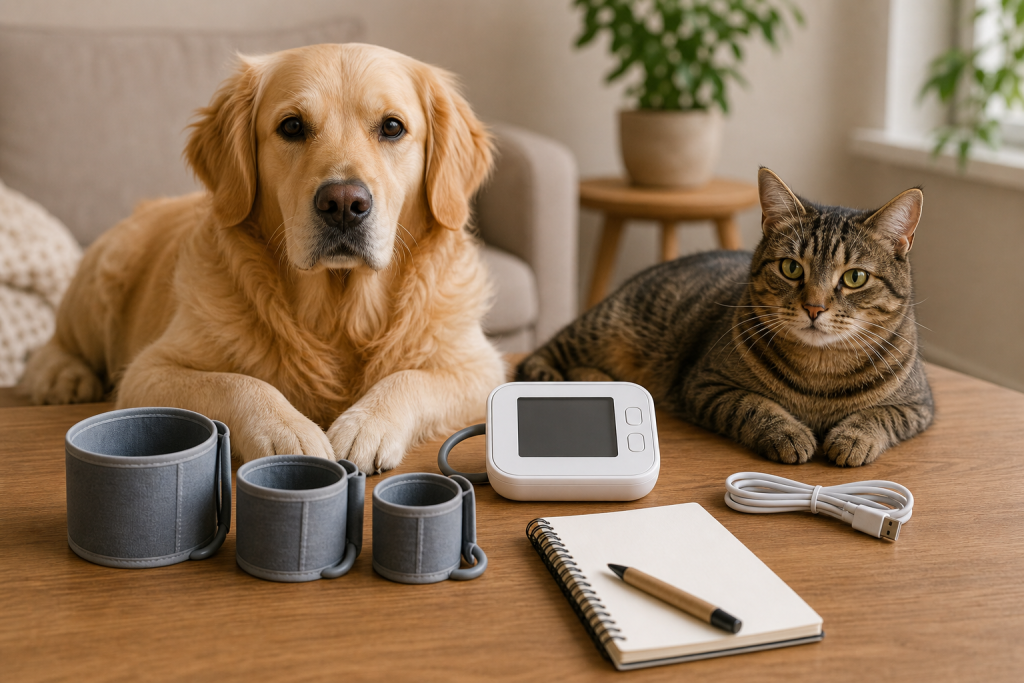
The monitor screen gets the attention, but the cuff set often decides whether the purchase is practical. A kit that includes only one or two cuffs may be fine for one medium dog and useless for a cat, toy breed, long-legged dog or multi-pet household. If the listing does not clearly show cuff sizes, compatible replacement cuffs and where to buy extras, pause before paying.
- Confirm cuff range: The kit should cover your pet’s actual limb or tail size, not just a vague “small pet” claim.
- Check replacement parts: Cuffs, tubing and batteries can wear out before the monitor does.
- Look for veterinary use cases: A listing should specify dogs, cats or small animals clearly. Avoid listings that look copied from human monitor pages.
- Check the return window: If your vet rejects the readings or the cuff does not fit, you need to know whether the seller accepts returns after opening.
- Save the manual: Your vet may want to see the model, cuff labels and measurement method before advising whether readings are useful.
Deal checks before paying
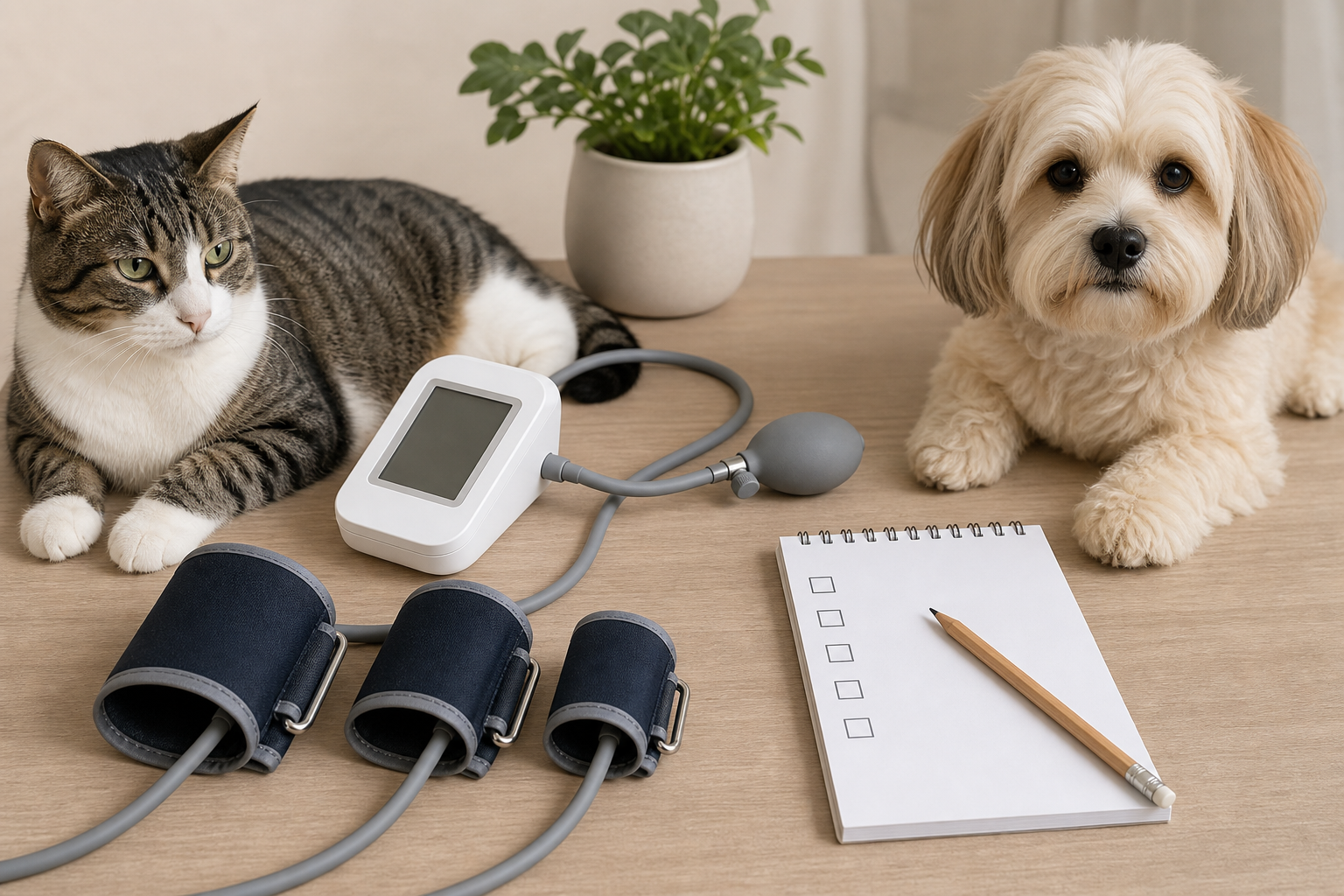
A discount on the monitor alone may not save money if you later need extra cuffs, a Doppler probe, gel, replacement tubing, batteries or a paid return shipment. Marketplace listings can also mix veterinary monitors, human monitors and generic “pet” devices in the same search results, so read the product page slowly.
Before checkout, compare the full kit cost with what your vet recommends. Check whether the seller is the brand, an authorized retailer or an unknown marketplace seller. Review the exact return policy on the product page, not just the retailer’s general promise. Amazon’s general return help says most items can be returned within 30 days in original or unused condition, while Walmart notes different windows for marketplace sellers and consumer electronics. That matters if the product is opened, used for a fit check or sold by a third party.
What to avoid
Avoid any listing that implies the monitor can diagnose hypertension, kidney disease, heart disease or an emergency by itself. Also avoid listings that promise “vet accuracy” without explaining the method, cuff sizing or calibration support. A device can display a number and still be the wrong tool for your pet.
Be especially careful with tiny cuffs, bargain bundles and imported listings that do not show a manual, warranty contact or replacement cuff path. If your pet is anxious, painful, restless or difficult to handle, home readings may be less useful than they look. Ask your vet whether trying to measure at home could make the visit data more confusing instead of more helpful.
When a monitor may make sense
A home monitor is most defensible when your veterinarian specifically asks for trend readings and helps you set up the process. In that case, the value is not one dramatic number. It is a consistent log taken with the same device, cuff, cuff site and calm routine, then interpreted by the clinic in the context of your pet’s exam and lab results.
If you only want peace of mind, an ID tag, microchip registration check, emergency fund or scheduled vet recheck may be a better first purchase. Blood pressure monitors are tools for a specific monitoring plan, not general wellness gadgets for every pet household.
Quick answers
Can I use a human blood pressure monitor on my cat or dog?
Do not assume so. Ask your veterinarian first. Pet blood pressure measurement needs an appropriate cuff size, placement and method, and many human cuffs are not sized or validated for small animals.
Is a Doppler monitor better than an automatic pet monitor?
That depends on the pet, clinic preference and monitoring goal. Cornell describes both Doppler ultrasound and oscillometric devices in veterinary blood pressure checks. Your vet can tell you which type, if any, they want you to use at home.
Should I buy one because my cat is older?
Buy only after a vet-guided reason. Older cats may be monitored for health conditions, but the device is not a substitute for an exam, lab work or professional interpretation.
What is the safest deal rule?
Do not buy until you know the cuff size, return terms, replacement cuff availability and whether your vet will accept readings from that model.
Sources
Sources last checked: July 26, 2026, 04:42 Europe/Rome.
- Cornell University College of Veterinary Medicine, Hypertension
- VCA Animal Hospitals, Systemic Hypertension in Cats
- PMC, comparison of Doppler ultrasonic and oscillometric devices in conscious cats
- American Association of Feline Practitioners, Measuring Blood Pressure
- Amazon Customer Service, return policy
- Walmart Help, standard return policy