
#pet phone gadget
#pet tech subscription
#smart pet collar
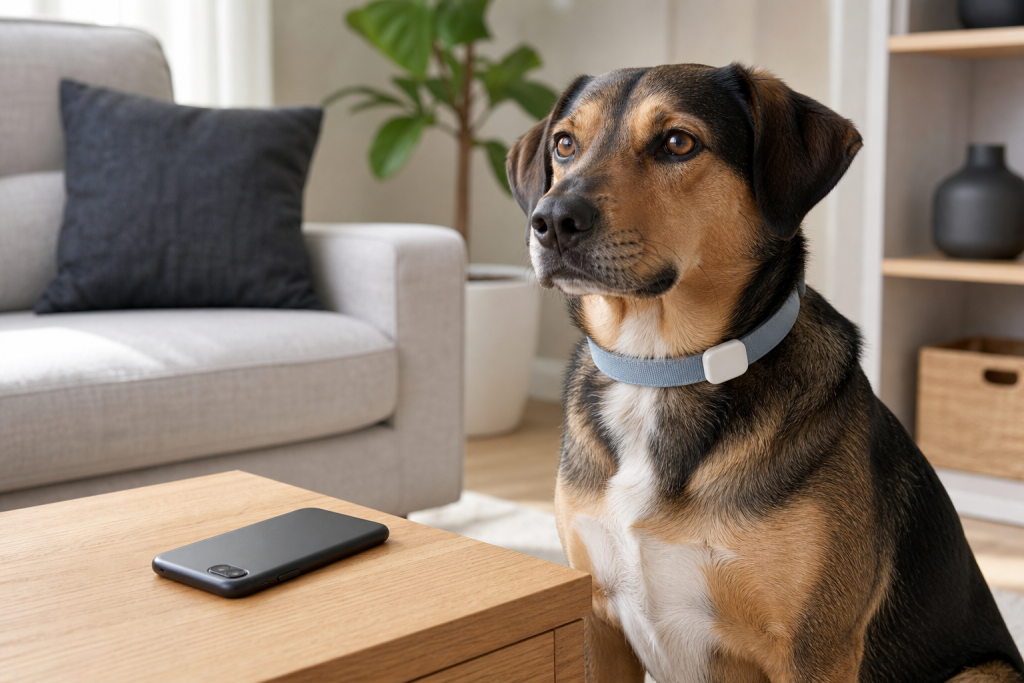
A pet phone gadget is only a good deal if the collar device, app plan and privacy settings make sense after the first month. The headline feature, letting you hear or talk to your pet through a wearable, can be useful for some owners, but it should not replace a solid GPS tracker, ID tag, sitter plan or veterinary advice. Before you buy one, check the subscription, battery life, device weight, collar fit, data controls and return terms.
Pet tech is having another attention-grabbing moment because companies are moving beyond basic GPS tags into voice, camera and AI wellness claims. uCloudlink has promoted PetPhone as a wearable smartphone-style device for pets, with two-way voice calling, positioning features and app-based status updates. That makes it interesting, but also easy to overbuy if you treat the word “phone” like a guarantee that your dog or cat can meaningfully call for help.
Why Pet Phone Deals Are Showing Up Now
The timing matters for shoppers. PetPhone appeared in 2026 tech-show coverage and on uCloudlink’s own product pages as part of a broader PetPogo ecosystem, while current pet-tech searches are already crowded with GPS collars, health trackers, pet cameras and smart feeders. Those categories all have the same hidden cost pattern: the hardware price is only the start.
A collar device that uses cellular connectivity, GPS-style location tools, app alerts or cloud features may need a paid plan. It may also need regular charging and a phone app that everyone responsible for the pet can actually use. If the sale page makes the gadget look like a one-time purchase, look for the service plan before you compare it with a simpler tracker.
The Checkout Detail That Changes the Price
The first thing to find is the monthly or annual service cost. PetPhone’s own sales page says a subscription is required, with a free trial period and lower monthly pricing on longer plans. Tom’s Guide also reported a monthly data-plan cost in its MWC hands-on coverage. Those details can change, so do not rely on a coupon page or old launch article at checkout.
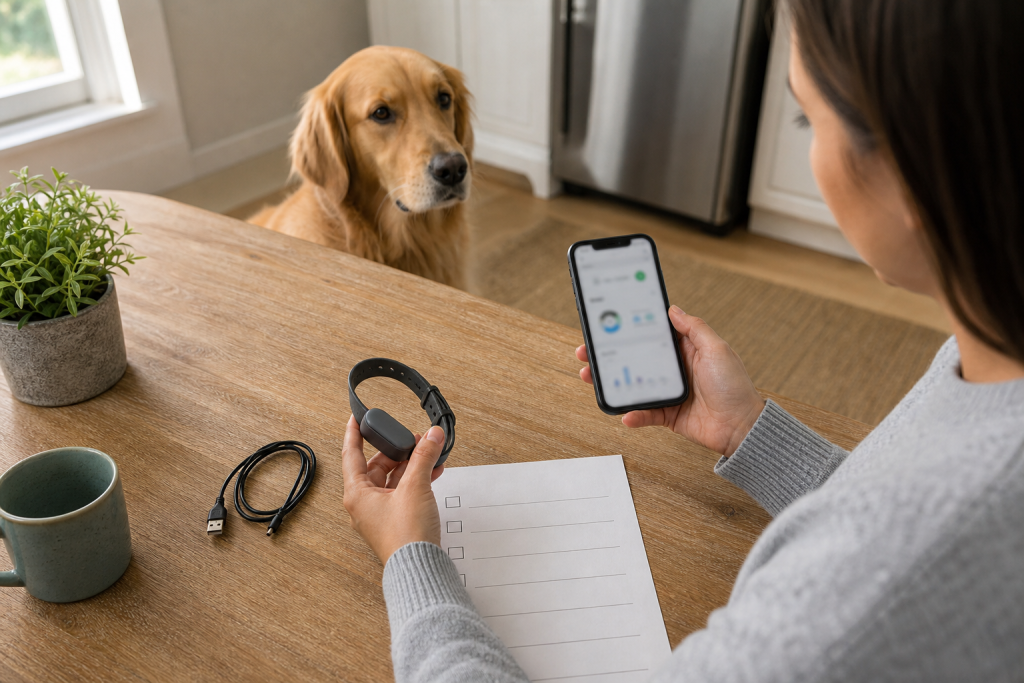
Use this quick cart check before paying:
- Confirm whether voice calling, GPS location, health insights, alerts and history all work on the same plan.
- Check whether the free trial converts automatically and how cancellation works.
- Look for activation fees, SIM fees, replacement chargers, lost clips and warranty exclusions.
- Compare the first-year total against a standard GPS tracker plus a normal ID tag.
- Make sure every sitter or family member who needs alerts can access the app without sharing your main password.
Do Not Buy It Like a Normal Collar
A pet phone wearable still has to behave like safe collar gear. uCloudlink lists PetPhone as an ultra-light device for pets over 3.5 kg, but the practical question is whether your pet can wear the full collar setup comfortably every day. A small dog or cat may be more sensitive to extra weight, dangling clips or a bulky module than a product image suggests.
Fit matters. Animal Humane Society says pet owners should be able to fit one finger under a cat collar and two fingers under a dog collar. Humane World for Animals gives a similar two-finger rule for a flat dog collar. If a smart module makes the collar rotate, sag, rub or catch on furniture, the tech feature is not worth the discount.
Also check how the device attaches. A good listing should make it clear whether the module fits only one collar, needs a proprietary cradle, includes a breakaway option for cats, or requires a specific strap width. Replacement clips matter because small wearable parts are easy to lose.
Voice Calling Is Not a Safety Plan
The most tempting claim is the idea that your pet can trigger a call or that your voice can soothe them remotely. Treat that as a convenience feature, not proof that the device solves separation anxiety, escape risk or illness. If your pet is panicking, hiding, limping, refusing food or acting unusually, talk to your veterinarian rather than relying on an app interpretation.
For lost-pet risk, a phone-style wearable should be layered with lower-tech basics: an ID tag, a registered microchip and updated contact details. For pets left at home, it should be layered with a sitter, neighbor or family plan. A notification is only useful if someone can respond.
Privacy Checks Before You Turn It On
Any collar device with voice, location, behavior data or camera pairing deserves the same privacy review as a home smart device. The FTC advises owners of internet-connected devices to change default settings and check access controls. For cameras and remote feeds, the FTC also tells consumers to look for encryption and lock down account access.
Before setup, read the app permissions and privacy policy. Look for location sharing, audio recording, cloud storage, account deletion, family access, third-party sharing and what happens if you cancel the plan. Use a unique password and turn on multi-factor authentication if the app supports it.
When a Deal Might Be Worth It
A pet phone gadget may be worth considering if you already planned to buy a GPS pet tracker, your pet is large enough for the wearable, you are comfortable with a subscription, and you want voice check-ins as a bonus. It is a weaker deal if the calling feature is the only reason you are buying it, if your pet dislikes collar gear, or if the total annual cost is close to a more proven tracker with better battery life and support.
Do not judge the deal by the hardware discount alone. Judge it by the first-year cost, the return window after activation, the replacement-part price and whether the device still does the one job you need when the novelty wears off.
What to Avoid
- Buying a pet phone for a cat without confirming breakaway collar compatibility.
- Assuming AI wellness alerts can diagnose a medical problem.
- Choosing a longer subscription only because the monthly rate looks lower.
- Ignoring battery life if your pet is outdoors, boarded or with a sitter.
- Letting a voice feature replace real enrichment, walks, check-ins or veterinary care.
Quick Answers
Is a pet phone better than a GPS tracker?
Not automatically. A pet phone adds voice-style interaction, but a GPS tracker may be simpler, lighter, cheaper and better supported for location tracking.
Do pet phone gadgets need subscriptions?
Many connected collar devices need a subscription for cellular, GPS, app or cloud features. Check the exact plan terms before relying on a sale price.
Can a pet phone tell me if my dog or cat is sick?
No gadget should be treated as a diagnosis. Behavior and activity alerts can be useful prompts, but unusual symptoms should be discussed with a veterinarian.
Should I buy one for a small cat?
Be cautious. Check the device weight, minimum pet size, breakaway collar support and whether the module can snag or annoy the cat.
Sources
Sources last checked: August 14, 2026, 19:36 CEST, Europe/Rome.
- uCloudlink PetPhone product page
- uCloudlink CES 2026 PetPogo and PetPhone announcement
- PetPhone sales page, subscription and battery notes
- Tom’s Guide MWC 2026 PetPhone hands-on coverage
- FTC, Securing Your Internet-Connected Devices at Home
- FTC, How To Secure Your Home Security Cameras
- Animal Humane Society, The Importance of Pet Collars
- Humane World for Animals, Which Type of Dog Collar is Best for Your Dog?