
#cat supplements
#dog supplements
#NASC Quality Seal
#pet supplement deals
#pet supplements
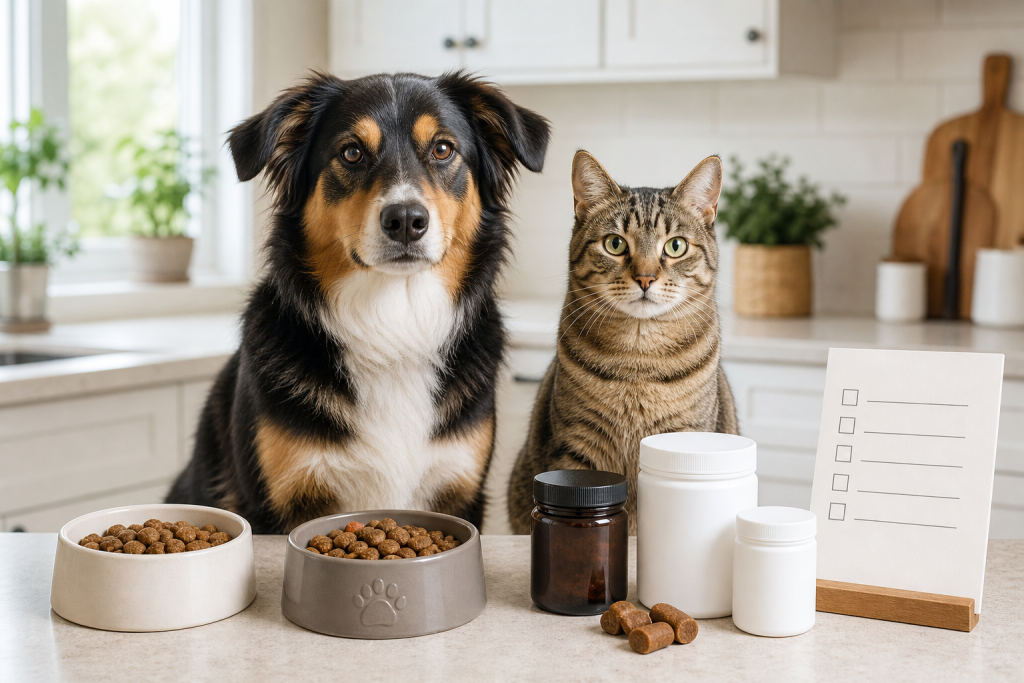
A pet supplement quality seal can be useful, but it does not prove that a chew, powder or oil will solve your pet’s problem. The smarter checkout move is to treat the seal as one quality clue, then check the claim, active ingredients, daily dose, serving count, lot information and your veterinarian’s advice before buying.
That matters now because pet supplement deals keep showing up in major sale events and retailer promo pages, from probiotics and calming chews to hip-and-joint products and multivitamins. A discount can make a tub look harmless, but supplements sit in a tricky space: FDA says animal products marketed as supplements are not treated as a special legal category like human dietary supplements. Depending on ingredients and claims, they may be regulated as animal food or as animal drugs.
What the seal can tell you
The National Animal Supplement Council says its Quality Seal is used by companies that pass a third-party quality audit and keep meeting the council’s requirements. That can be a useful sign that the company has participated in a quality program instead of simply printing vague wellness language on a label.
It still is not the same as a promise that the product is right for your dog or cat. A seal does not replace reading the label, checking whether the product is intended for your pet’s species and life stage, or asking your veterinarian when the supplement is tied to digestion, pain, anxiety, urinary health, skin problems or any ongoing condition.
The checkout mistake
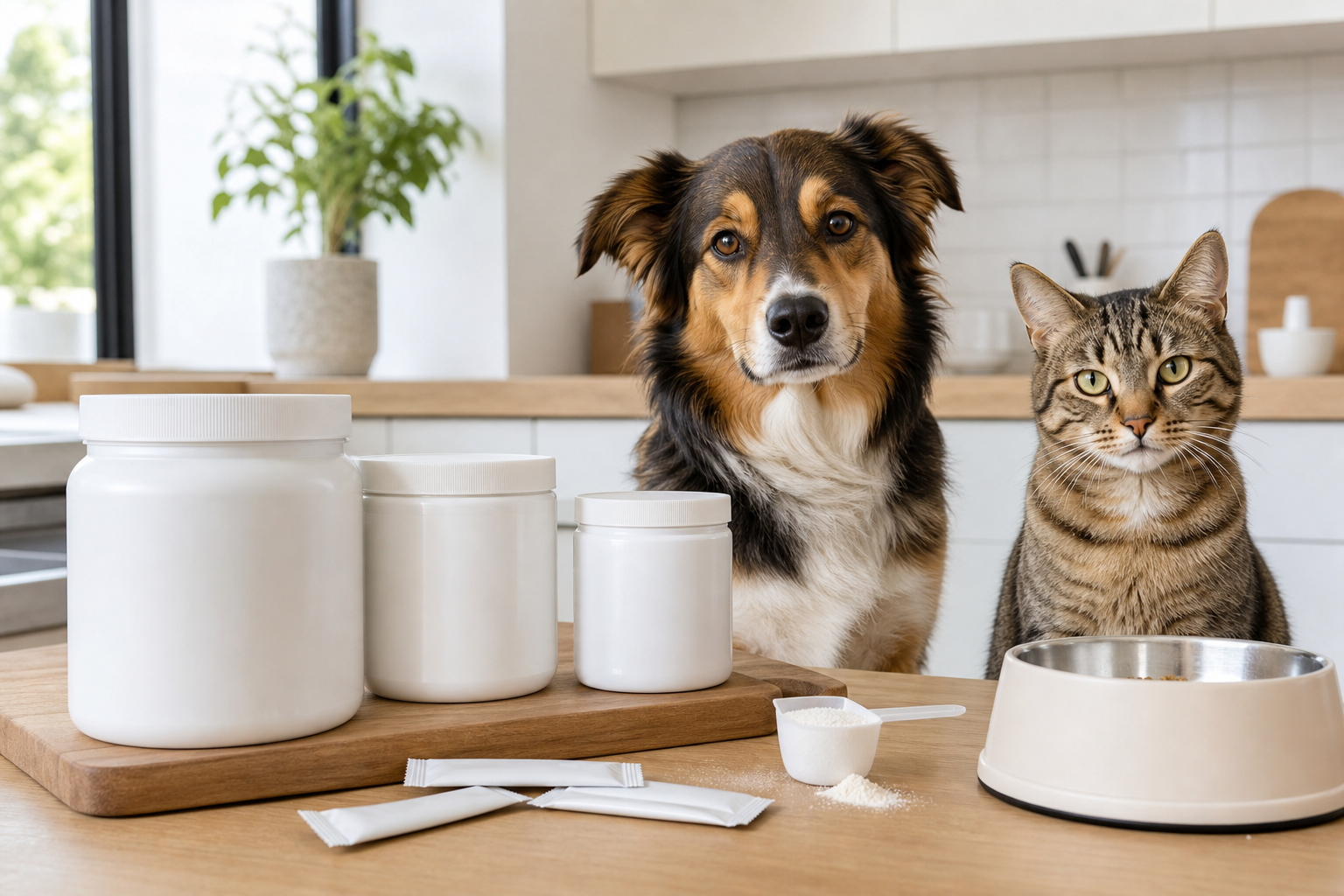
The mistake is buying by the biggest discount or the most comforting front-label claim. Words like “supports,” “promotes,” “calming,” “joint,” “gut” or “immune” can sound specific while still leaving you to verify the actual ingredient list, dose and use case.
Before you add a pet supplement to your cart, check these details:
- Species: do not assume a dog supplement is appropriate for cats, or that a cat product is right for dogs.
- Daily serving: calculate the cost per day, not just the price per jar.
- Pet weight range: large dogs may need multiple chews per day, which can make a sale price disappear fast.
- Active ingredients: compare the amount per serving, not only the marketing name on the front.
- Claims: be cautious when a product sounds like it treats, prevents or cures a disease.
- Lot and expiration details: avoid products with unclear freshness, missing lot codes or poor seller information.
- Veterinary fit: ask your vet before using supplements with pets that are young, senior, pregnant, sick, medicated or on prescription diets.
Why FDA wording matters
FDA’s pet food regulation page says products marketed as animal dietary supplements do not fall under the human supplement law known as DSHEA. FDA says it regulates those animal products as food or drugs depending on what is in them and what they are intended to do.
That is the key shopping lesson. If a seller leans on medical-sounding claims, do not treat the product like an ordinary treat just because it is sold as a chew or powder. The more a listing sounds like it is diagnosing, treating or preventing a health condition, the more reason you have to slow down, verify the source and ask your veterinarian.
Deal and coupon checks
Supplement discounts can be real, but the useful deal is the one that still makes sense after you calculate the daily serving. A 30-count jar may last a small dog one month and a large dog much less. A subscription discount may also renew before you know whether your pet tolerates the product.
Before paying, check whether the deal requires Subscribe & Save, Autoship, a minimum order, a coupon checkbox, a third-party marketplace seller or a nonreturnable health-product policy. Do not assume the lowest price is the safest option if the seller page gives weak expiration, storage or manufacturer information.
What to avoid
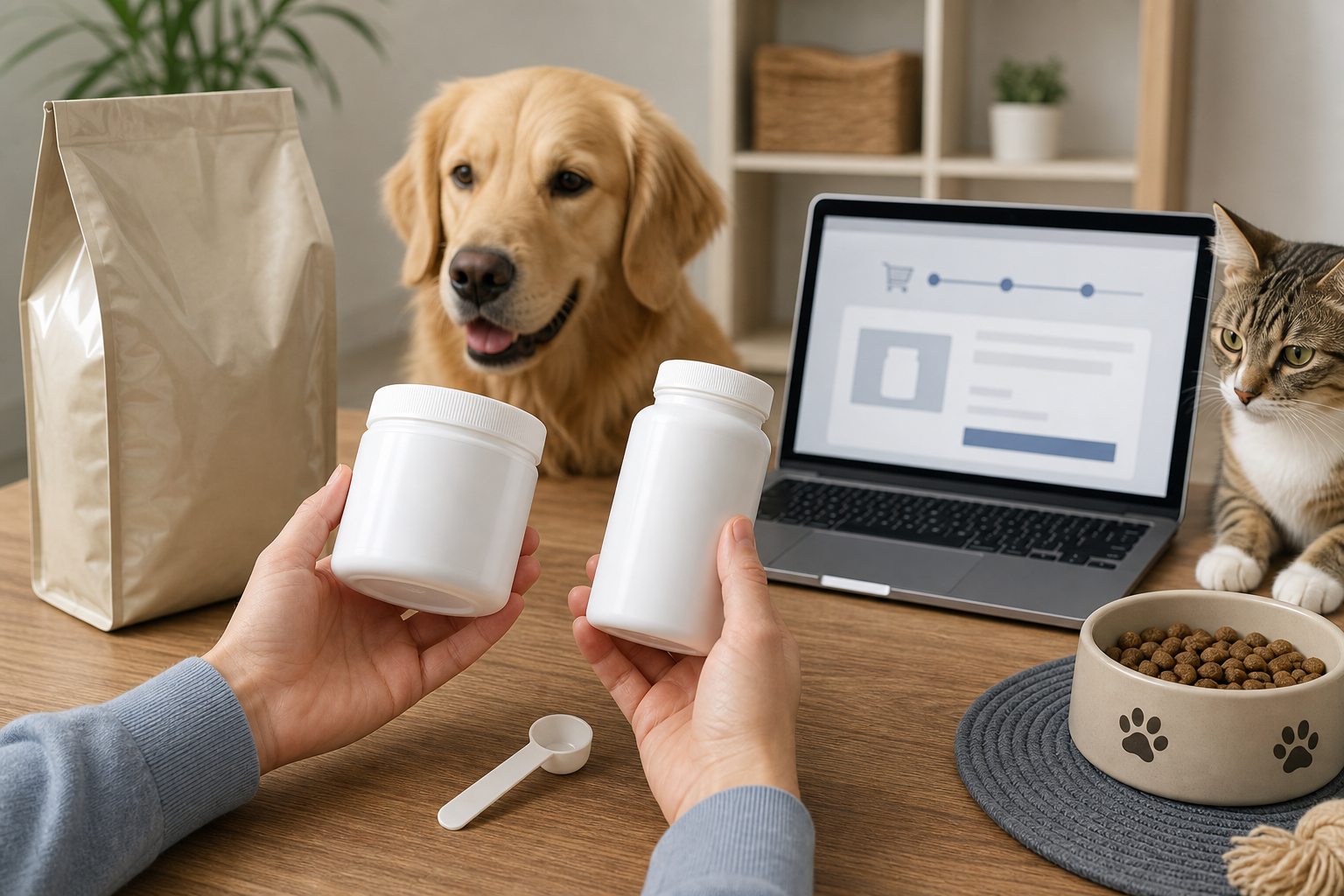
Avoid pet supplements that use dramatic disease claims without clear veterinary context. Avoid products that hide the full ingredient list, require several clicks to find the serving size, or make it impossible to identify the manufacturer. Be especially careful with marketplace listings that show a familiar supplement type but not a familiar company, label or support channel.
Also avoid stacking several supplements at once just because each one is on sale. More products can make it harder to know what helped, what caused side effects or what conflicts with a diet or medication. For medical concerns, supplements should not delay a veterinary visit.
Fast answers
Does the NASC Quality Seal mean a supplement is guaranteed to work?
No. It is a quality-program signal, not a guarantee that a product will work for your pet’s condition or replace veterinary advice.
Are pet supplements regulated like human dietary supplements?
No. FDA says products marketed as dietary supplements for animals are not recognized as a special category under DSHEA. They are regulated as animal food or animal drugs depending on ingredients and intended use.
Is a supplement deal worth buying on Autoship?
Only if the daily dose, renewal date, cancellation terms and return policy still make sense. For a new product, a one-time order can be safer until you know your pet tolerates it.
Should I ask my vet before buying?
Yes, especially if your pet has symptoms, takes medication, eats a prescription diet or has a chronic condition. A supplement can be a shopping decision, but the health question belongs with your veterinarian.
Sources
Sources last checked: July 9, 2026, 13:35 Europe/Rome.