
#fall pet treats
#pet treat labels
#pumpkin spice pet treats
Pumpkin-spice pet treats can be a bad deal when the fall flavor hides ingredients your dog or cat should not eat, or when the package turns a tiny seasonal snack into a daily habit. The safer buy is a pet-specific treat with a clear ingredient list, sensible calories and no reliance on a human pumpkin spice blend. If your pet has a medical diet, allergies or stomach issues, treat seasonal snacks as something to ask your vet about before you add them to the cart.
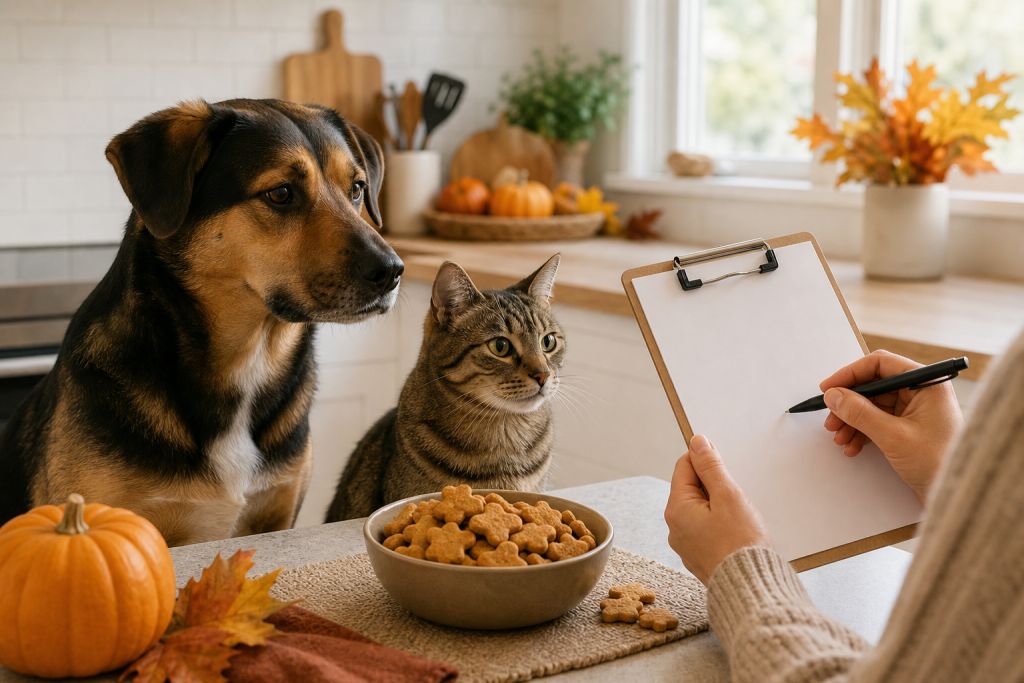
Fall shelves are starting to fill with pumpkin-flavored biscuits, toppers, bakery-style cookies and themed variety packs. That makes this a timely checkout mistake: shoppers see “pumpkin” and assume the treat is automatically gentle, seasonal and worth stocking up on. Pumpkin itself is not the problem for many pets. The risk is the rest of the label, the serving size and the impulse to buy a multi-pack before you know whether your pet tolerates it.
Why This Matters Now
Retailers and pet brands use fall flavors because shoppers recognize them instantly. A pumpkin-colored bag, a harvest display or a limited-season label can make a treat feel more special than an ordinary biscuit, even when the nutrition panel looks very similar.
The timing also overlaps with Halloween candy, Thanksgiving ingredients and colder-weather indoor snacking. That is exactly when pet owners need to separate pet treats from human desserts. ASPCA warns that common human foods and ingredients, including xylitol, chocolate, grapes and raisins, should be kept away from pets. AKC also cautions that typical pumpkin spice blends can include ingredients, such as nutmeg, that are not a smart choice for dogs.
The Checkout Check Before You Buy
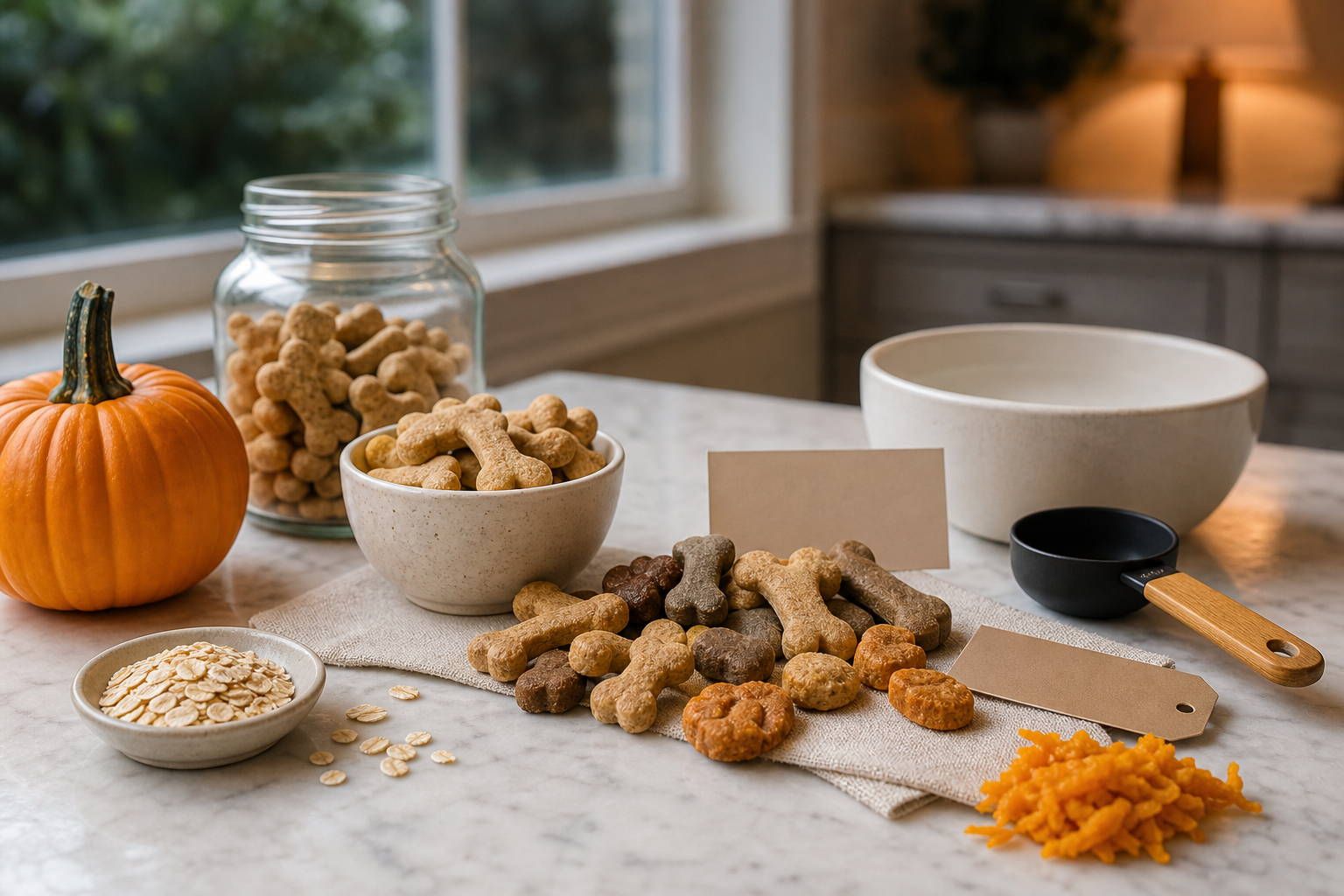
Start with the front of the bag, then make the real decision on the back. “Pumpkin flavor” is not the same as plain pumpkin puree, and “fall flavor” does not tell you whether the treat is low-calorie, soft enough, hard enough, grain-free, poultry-free or suitable for a pet with a special diet.
- Check that it is made for pets. Do not treat human pumpkin cookies, pie filling, coffee-shop snacks or bakery leftovers as pet treats.
- Read the full ingredient list. Look for xylitol or birch sugar, chocolate, raisins, grapes, coffee, heavy spice blends and other human-dessert ingredients that do not belong in your pet’s bowl.
- Find the calories per treat. A seasonal biscuit can look small and still add up fast if you give several a day.
- Match the texture to your pet. Hard biscuits may not suit every senior pet or pet with dental concerns. Soft treats may be easier to overfeed.
- Buy the smallest useful bag first. A bulk fall bundle is not a saving if your dog gets an upset stomach, your cat refuses it or the open bag goes stale.
What “Pumpkin Spice” Usually Means
In human food, pumpkin spice commonly points to a blend of warming spices rather than pumpkin itself. PetSmart’s educational guidance notes that typical pumpkin spice can include cinnamon, nutmeg, clove, allspice and ginger, and recommends skipping human pumpkin spice in a dog’s bowl. AKC makes a similar point: plain pumpkin and pumpkin spice are not the same buying decision.
That distinction matters at checkout because many pet products borrow seasonal language without being human desserts. A pet-specific pumpkin biscuit may be formulated very differently from a pumpkin muffin on the counter. Still, the label needs to prove it. Do not let the seasonal name do the work the ingredient panel should do.
Deal And Coupon Rules For Fall Treats
A seasonal treat deal is usually worth considering only when the package size, calories and expiration date make sense for your pet. If the offer pushes you into a large bundle, a subscribe-and-save order or a minimum-spend cart, pause before paying.
Before using a coupon or sale badge, verify the exact item in the cart. Seasonal flavors can be excluded from promotions, sold by third-party marketplace sellers or mixed into variety packs with different ingredients. Also check whether the discount depends on autoship, membership, app checkout or a code that applies only to selected products.
The practical test is simple: would you still buy the same bag at the same size without the fall packaging? If not, the deal may be selling novelty instead of a useful treat rotation.
Storage Can Shrink The Value
Pet treats are still food. FDA advises storing dry pet food and unopened canned food in a cool, dry place, keeping products secure from pets that may break into them, and washing pet food bowls and utensils after use. CDC also recommends cleaning pet food bowls, scoops, treat toys, feeding mats and placemats frequently.
That matters for seasonal treats because owners often open several flavors at once. If you buy pumpkin biscuits, apple treats and holiday chews in the same week, you may create more open bags than your pet can finish while they still smell fresh. Keep the original package if it has lot codes or best-by information, and do not pour mixed treats into an unlabeled jar where you cannot check ingredients later.
What To Avoid
Avoid any product that makes pumpkin sound like a fix for a health problem without explaining the formula. A treat is not a treatment plan, and a digestive claim should not replace advice from your veterinarian.
Also skip vague marketplace listings that show a cute fall photo but hide the ingredient list until after purchase. If the seller cannot clearly show ingredients, calories, package weight, feeding guidance and return terms, choose a more transparent product.
Be careful with “for dogs and cats” labels on rich seasonal snacks. Cats and dogs have different habits, calorie needs and taste preferences. A shared household treat can still be the wrong texture, size or formula for one pet.
Smarter Alternatives
If you want the fall theme without the label risk, choose a plain pet treat your pet already tolerates and use it sparingly. For dogs, ask your vet whether a small amount of plain pumpkin is appropriate for your specific pet, especially if there are medical conditions, weight concerns or diet restrictions. For cats, do not assume a pumpkin product will be appealing or useful just because it is seasonal.
For multi-pet homes, buy one small package and test acceptance separately. Track who ate what, and stop if a pet refuses the treat or seems uncomfortable after trying it. When in doubt, keep the receipt and avoid opening every bag in a seasonal bundle at once.
Quick Answers
Are pumpkin-spice dog treats automatically unsafe?
No. A pet-specific product with a clear label may be fine for some dogs in small amounts. The problem is assuming that “pumpkin spice” is safe without checking for sweeteners, spices, calories and your pet’s individual diet needs.
Can cats have pumpkin-spice treats?
Do not assume they should. Cats are not small dogs, and many seasonal products are marketed more for human appeal than feline need. Check the label, keep portions small and ask your vet if your cat has digestive, urinary, kidney, weight or allergy concerns.
Is plain pumpkin better than a seasonal treat?
Sometimes, but it still depends on the pet. Plain pumpkin puree is different from pumpkin pie filling or pumpkin spice foods. If you are using it for a health reason, ask your vet instead of treating it as a DIY fix.
What is the easiest checkout rule?
If you cannot find the ingredients, calories per treat and feeding guidance before paying, do not buy it. A cute fall flavor is not enough information.
Sources
Sources last checked: September 4, 2026, 16:38 CEST, Europe/Rome.