
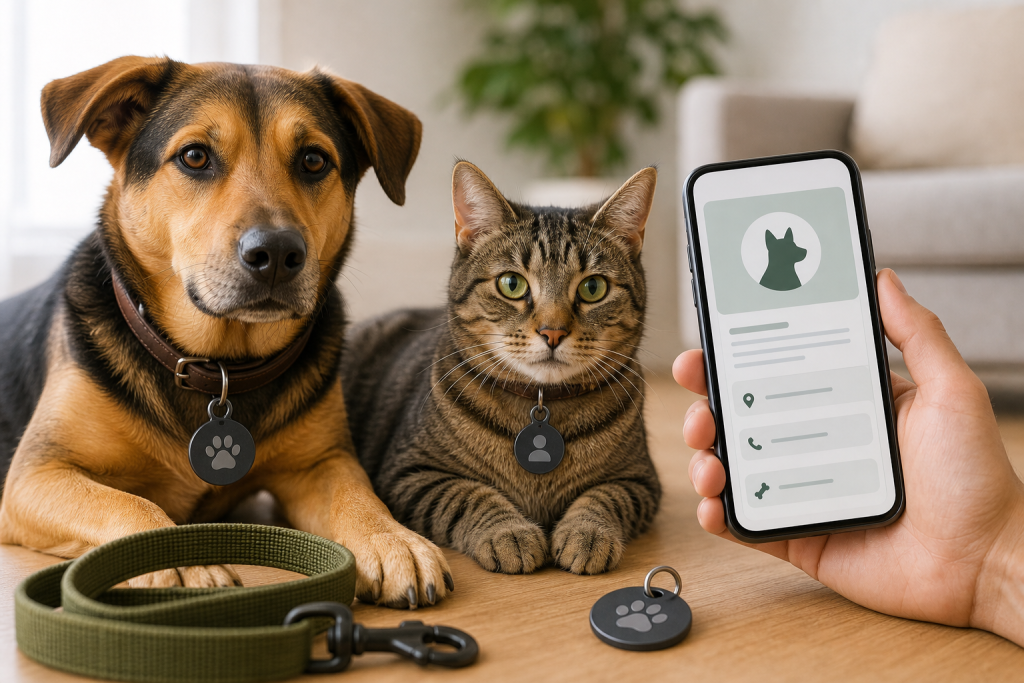
A QR pet tag can be useful, but the deal is weak if the tag sends a finder to a confusing page, hides a subscription, or replaces a readable ID tag. The recent FTC warning about QR scams is a reminder to check where any code leads before you trust it with your contact details. Buy the smart tag only if it still works as a simple lost-pet ID tool when the app, account, or paid plan is not helping.
Digital pet ID tags are popular because they promise editable profiles, scan alerts and privacy controls. That can be genuinely helpful for dogs and cats that wear collars, especially if you move, travel, or need to update phone numbers quickly. The catch is that a pet tag is not just a charm on a collar. It is also a little web service, and the checkout page needs the same scrutiny you would give any connected pet product.
Why this matters now
On September 3, 2026, the FTC warned consumers that scammers can use QR codes to send people to fake pages that collect money, passwords or personal information. That warning was not specifically about pet tags, but the lesson travels well: a QR code is only as trustworthy as the destination behind it.
At the same time, pet shoppers keep seeing QR and NFC tags marketed as smarter alternatives to engraved metal tags. Some are simple one-time purchases. Others rely on a cloud profile, an app, a monthly plan, scan alerts, lost mode, or optional support services. Before you pay for the clever version, make sure it solves the basic problem first: helping a real person contact you quickly if your pet is found.
The checkout checks that matter
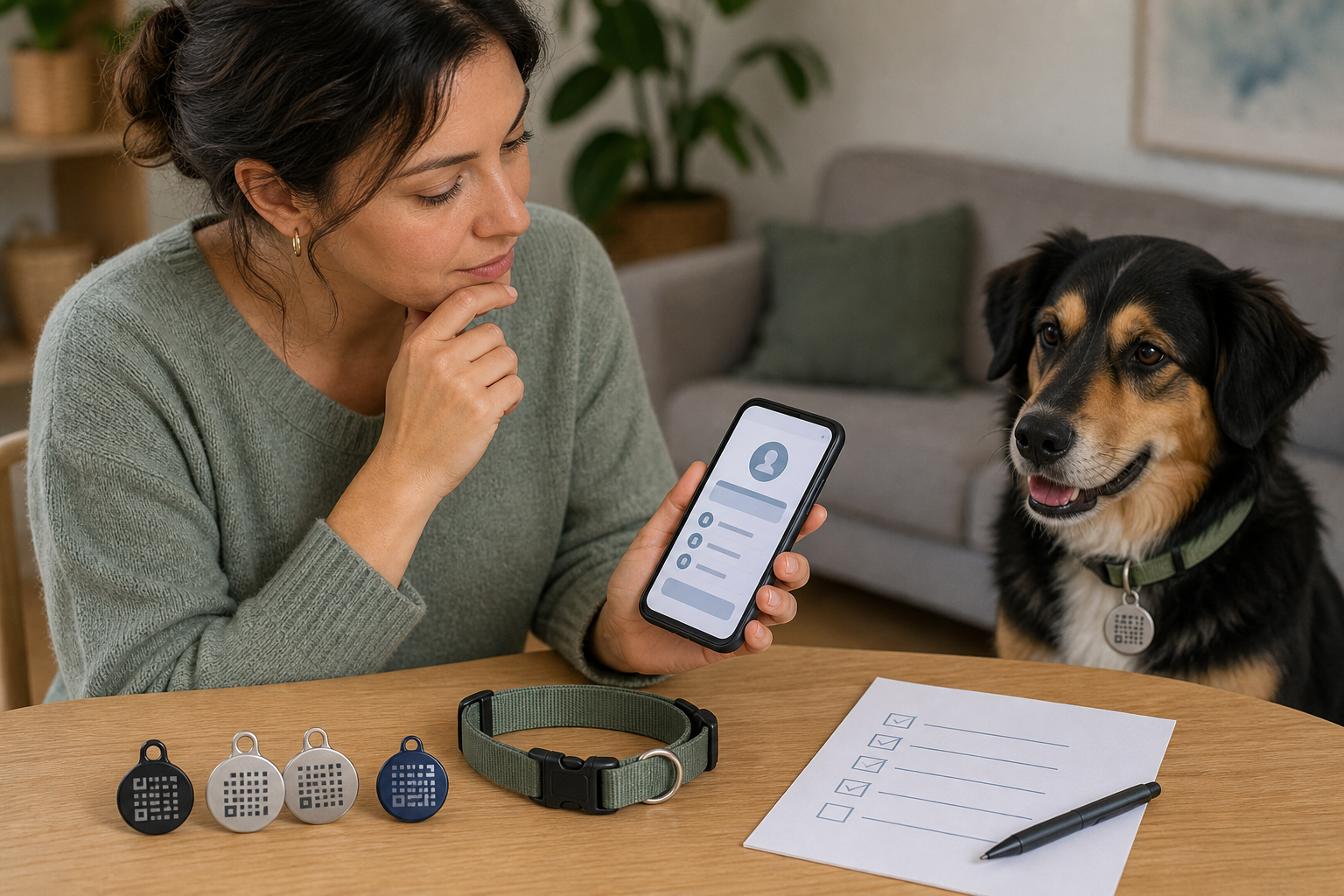
Start with the destination. A good smart tag should show you the exact domain a finder will visit, not just vague language about a “secure profile.” Preview the link, check for spelling tricks and confirm that the company name on the tag, the profile page and the checkout page all match. If the seller will not show a demo page before purchase, that is a reason to pause.
Next, check what a stranger can see without logging in. The best profile for many owners is useful but restrained: pet name, a safe contact route and essential return notes. Think carefully before publishing your full home address, daily schedule, or sensitive veterinary details on a page that anyone with the tag can scan.
Then look for a non-digital fallback. AVMA guidance says microchips are useful permanent identification, but they do not replace collars with up-to-date ID tags. A smart tag should not make your pet harder to return if the finder has no signal, will not scan a code, uses an older phone, or does not trust an unfamiliar link. At minimum, consider a readable phone number or a short engraved message alongside the code.
Finally, inspect the hardware like a normal collar tag. The code should not rub off after a month. The ring should fit your pet’s collar without dangling where it can catch. The tag should be light enough for a cat or small dog, and outdoor pets need material that can handle rain, mud and repeated cleaning.
Do not pay extra for a fake tracker
A QR tag is not the same thing as GPS. It usually tells you something only after a person scans it. That can be valuable, but it does not show live location the way a subscription GPS tracker can. If the product page uses “tracking” language, read closely. It may mean scan notifications, not a moving map.
That distinction matters at checkout. A low-cost tag can be a sensible backup ID tool. It is a bad deal if you buy it expecting real-time location, geofencing, escape alerts or health monitoring. Those features normally require different hardware, batteries and often a paid plan.
Deal and coupon traps to verify
For any discounted QR pet tag, check whether the sale price covers only the physical tag or also the digital service. Some sellers keep the tag cheap and charge for extra contacts, lost mode, premium alerts, printed replacements, support lines or multiple pets. A coupon is less useful if the feature you actually want starts billing after the first year.
Return terms also matter because customized tags may not be treated like ordinary pet supplies. Before ordering, check whether spelling errors, engraving mistakes, wrong sizes, dead QR codes or profile problems are covered. Retailers such as Chewy and PetSmart publish return help pages, but marketplace sellers and custom tag shops can set narrower rules. Save the order page, design proof and receipt until the tag is activated and tested.
If you are buying on a marketplace, avoid listings that show a code in the product image but do not identify the service behind it. You are not just buying metal, silicone or plastic. You are depending on the seller to keep a web profile running after the package arrives.
Privacy checks before your pet wears it
- Open the tag profile from a separate device before putting the tag on your pet.
- Confirm the URL is spelled correctly and uses the seller’s real domain.
- Use a contact method you are comfortable sharing with strangers.
- Limit public details to what helps someone return your pet safely.
- Check whether you can delete the profile if you stop using the tag.
- Turn on multi-factor authentication if the account stores your personal details.
- Keep your pet’s microchip registration and collar ID current as separate backups.
What to avoid
Avoid any tag that requires you to publish more personal information than you would write on a normal ID tag. Avoid “free” tags that require card details before explaining future fees. Avoid listings that promise live tracking without explaining the battery, network and subscription behind it. Also avoid tiny tags with codes that are likely to scratch, bend or become unreadable on an active pet.
Do not rely on one identification method. A readable collar tag, a registered microchip and a digital profile solve different parts of the lost-pet problem. The smart tag can be the convenient layer, but it should not be the only layer.
Quick answers
Are QR pet tags safe?
They can be safe enough for many owners if the service is legitimate, the public profile is restrained and the tag has a readable fallback. The risk rises when the seller hides the destination page, pushes unnecessary personal details or charges recurring fees that are hard to find.
Should a QR tag replace a microchip?
No. A microchip is permanent identification that a shelter or veterinary clinic can scan, while a QR tag depends on the collar staying on and a finder choosing to scan it. Keep both records current if you use both.
What should I test when the tag arrives?
Scan it with your phone, open it from another device, check the public information, test the contact route and tug gently on the attachment ring. If anything fails, handle the return or replacement before your pet starts wearing it outside.
Sources
Last checked: September 8, 2026, 22:30 CEST, Europe/Rome.