
#bird flu pets
#cat food recall
#pet food safety
#raw cat food
A raw cat food deal deserves a second look because the lowest price does not tell you whether the food has the right safety controls, lot transparency or nutritional statement for your cat. Bird flu has kept raw poultry, raw meat and unpasteurized ingredients under scrutiny, and cats are the species shoppers should be especially careful about. Before you stock a freezer, check the lot code, processing method, recall notices, storage instructions and your veterinarian’s advice.
Raw and freeze-dried pet food searches tend to rise when owners look for “natural” diets, higher-protein toppers or bulk freezer deals. The shopping risk in 2026 is that H5N1 is no longer just a farm or wild-bird headline. FDA has told covered cat and dog food manufacturers using uncooked or unpasteurized poultry or cattle ingredients to reanalyze food safety plans for H5N1, and CDC has reported domestic-cat cases linked to raw animal products.
Why this matters before you buy raw cat food
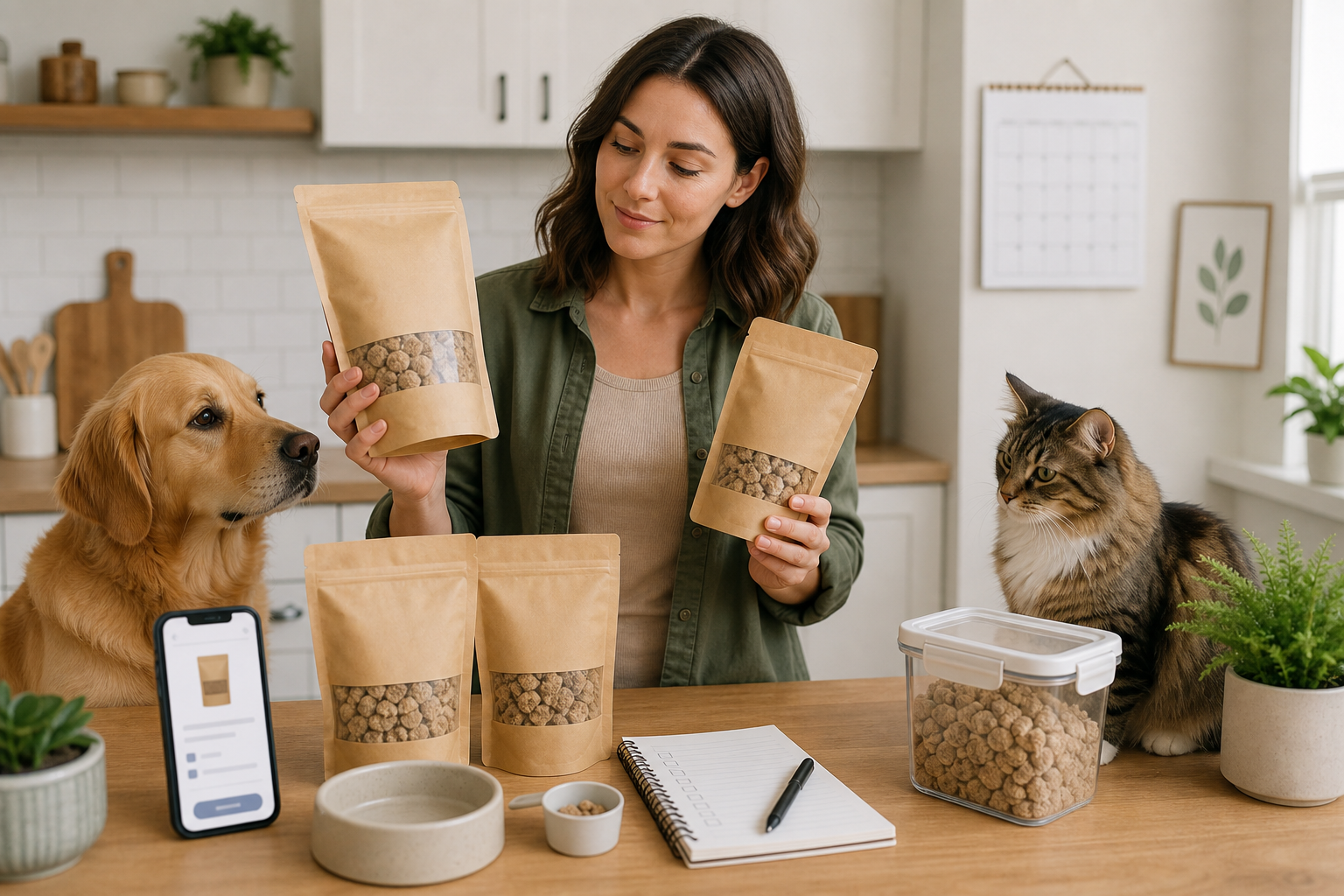
The key issue is not whether every raw cat food is under recall. It is whether a shopper can verify enough about a specific bag, slider, patty, topper or subscription box before bringing it into the kitchen. FDA has warned that cats can become severely ill from H5N1 exposure, especially through uncooked meat, raw milk or unpasteurized ingredients that have not gone through a virus-inactivating step such as cooking, canning or pasteurization.
That makes the usual deal math incomplete. A frozen multipack can look cheaper per ounce, but it also means more product to store, thaw, handle and track by lot number. If the brand has vague safety language, no clear nutritional adequacy statement, weak storage directions or no easy recall lookup, the discount may not be worth the added uncertainty.
The checkout checks that matter most
Start with the nutritional statement. If a product is meant to be your cat’s main diet, look for a complete-and-balanced statement for the correct life stage. FDA explains that complete and balanced pet food must either meet an AAFCO nutrient profile or pass an AAFCO feeding trial. If the package is only a topper, treat, mixer or “for intermittent feeding” item, do not price it like a full meal replacement.
Next, check what the company says about pathogen controls. Terms such as “raw,” “gently processed,” “air dried,” “freeze dried” and “minimally processed” are not interchangeable safety guarantees. Ask what step is supposed to reduce pathogens, whether the company publishes recall information, how lots are coded and whether customer support can identify the exact product by bag, box or slider code.
Finally, check your household. Raw animal products are harder to manage around young children, older adults, pregnant people, immunocompromised family members and cats with health concerns. This is not a place to rely on influencer claims or a coupon banner. Ask your veterinarian before changing a cat’s main diet, especially if your cat is a kitten, senior, pregnant, chronically ill or already on a therapeutic food.
Deal and coupon traps to avoid
Raw cat food deals often look best when you buy a larger frozen box, subscribe for repeat delivery or add enough items to unlock free shipping. Before paying, verify the per-ounce cost after shipping, dry ice or insulated packaging fees, subscription renewal price, cancellation terms and whether the first-order discount applies again. A good first box can become expensive if the second shipment renews at full price before your cat has even accepted the food.
Do not skip the return terms. Many retailers restrict returns on frozen, opened, perishable or food-safety-sensitive products. If your cat refuses the food, your freezer fails or the product arrives thawed, the refund path may depend on photos, time limits and customer-service approval. Screenshot the delivery and damage policy before checkout if the order is large.
How to handle recall and lot-code checks
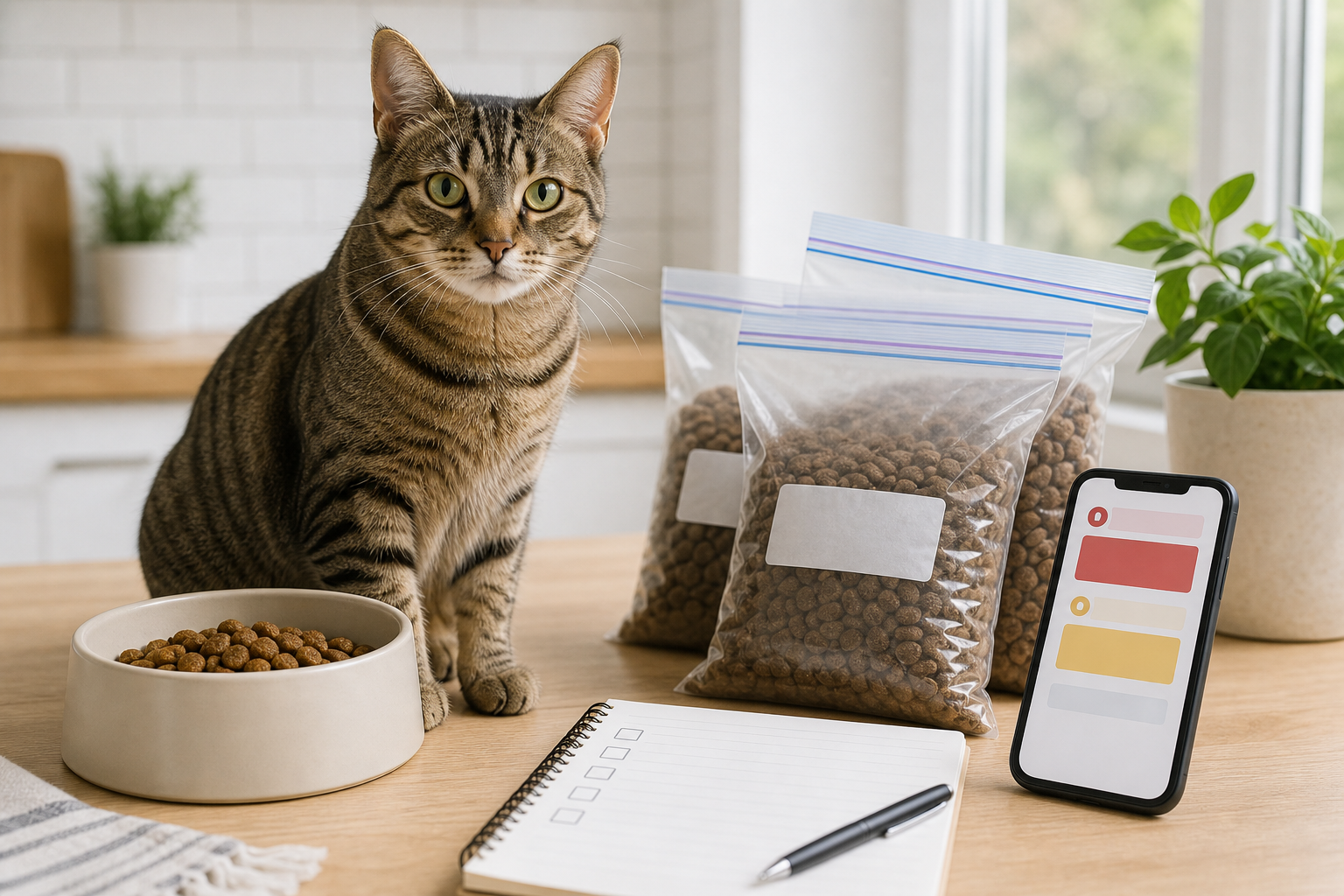
Save the original packaging until the food is finished. Do not pour patties, sliders or freeze-dried pieces into an unlabeled freezer bag without recording the brand, recipe, lot code, best-by or sell-by date and purchase source. If a notice appears later, the lot code is what lets you tell whether your food is involved.
FDA’s RAWR Raw Cat Food Chicken Eats notice is a useful example of why this matters. FDA identified specific lots and sell-by dates, not every raw cat food in the market. That is the pattern shoppers should expect from many food alerts: the details live in lot codes, date codes, product sizes and distribution notes. If you cannot find those details on your own product, the deal has a hidden information cost.
What to avoid
Avoid any seller that treats “human grade,” “natural,” “ancestral” or “wild” language as a substitute for food-safety and nutrition details. Avoid buying thawed frozen raw food from a marketplace seller if you cannot confirm shipping controls, storage history or return responsibility. Avoid bulk orders until your cat has tolerated a smaller amount and your veterinarian is comfortable with the diet plan.
Also avoid assuming freeze-dried always means risk-free. Freeze-drying changes moisture, texture and shelf stability, but shoppers still need to read the brand’s handling directions, pathogen-control claims and intended-use statement. Wash hands, bowls, counters and utensils after handling raw or freeze-dried animal-source foods, and keep them separate from human food.
Quick answers
Is this a warning that all raw cat food is recalled?
No. This is a shopping check, not a claim that every raw cat food is recalled. The point is to verify the specific product, lot code, safety controls and current notices before buying or restocking.
Should I switch my cat’s food because of H5N1 headlines?
Do not make a sudden diet change only because of a headline. Talk with your veterinarian, especially if your cat has medical needs. If you do buy raw or freeze-dried animal-source food, be stricter about lot tracking, handling and brand transparency.
What should I check first on a raw cat food listing?
Check whether it is complete and balanced for your cat’s life stage, whether it is a full diet or topper, what pathogen-control step the brand describes, the lot-code visibility, the frozen shipping policy and the renewal price if it is a subscription.
Sources
Sources last checked: July 10, 2026, 13:34 Europe/Rome.
- FDA, Cat and Dog Food Manufacturers Required to Consider H5N1 in Food Safety Plans
- FDA, Ways to Reduce Risk of HPAI in Cats
- FDA, H5N1 Contamination in Certain Lots of RAWR Raw Cat Food Chicken Eats
- CDC MMWR, H5N1 Virus Infection Evidence After Exposure to an Infected Domestic Cat
- AVMA, Raw or Undercooked Animal-Source Protein in Cat and Dog Diets
- FDA, Complete and Balanced Pet Food
- FDA, Get the Facts! Raw Pet Food Diets can be Dangerous to You and Your Pet