
#cat treats
#dog treats
#egg recall
#pet food safety
#pet treats
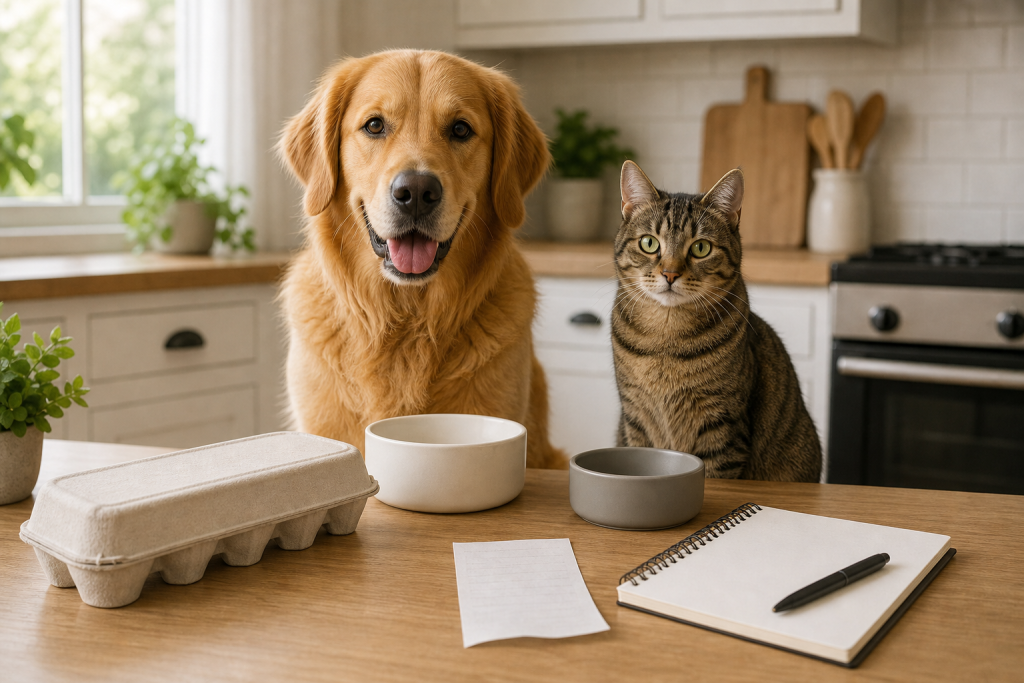
A recalled egg carton is not a bargain for your dog or cat, even if you planned to cook the eggs into homemade treats. The July 2026 Midwest Poultry Services egg recall is a reminder to check grocery cartons before using human food as pet snacks. If the carton matches the recalled codes, return it or throw it away instead of trying to salvage the purchase for pets.
Why this matters now
On July 22, 2026, Midwest Poultry Services recalled white shell eggs and brown cage-free shell eggs because of possible Salmonella Enteritidis contamination. FDA and CDC later linked the recalled shell eggs to a multistate outbreak investigation, with the FDA listing the investigation as ongoing on July 24, 2026.
This is not a pet food recall, but it still matters for pet shoppers. Many owners buy eggs as a cheap protein add-on, training-treat ingredient or homemade topper. A grocery discount stops being useful if the eggs cannot safely be used in your kitchen, your pet bowl or a batch of homemade treats.
The carton check to do before you crack an egg for pets
Before you use grocery eggs for a dog or cat treat, check the original carton. The FDA says the recalled eggs were sold in multiple retail and bulk sizes, with sell-by or best-by dates from July 20, 2026 through August 17, 2026. Brands listed by FDA include Kroger, Simple Truth, Brookshire’s, Country Morning and Cal-Maine Sunups.
The key detail is the code printed on the side of the carton. FDA and CDC say only cartons with plant code P-1950 or 0840962 and a Julian date from 157 to 184 are included in the recall. If you moved eggs into a refrigerator bin and no longer have the carton, FDA says to throw them away if you cannot tell whether they are recalled.
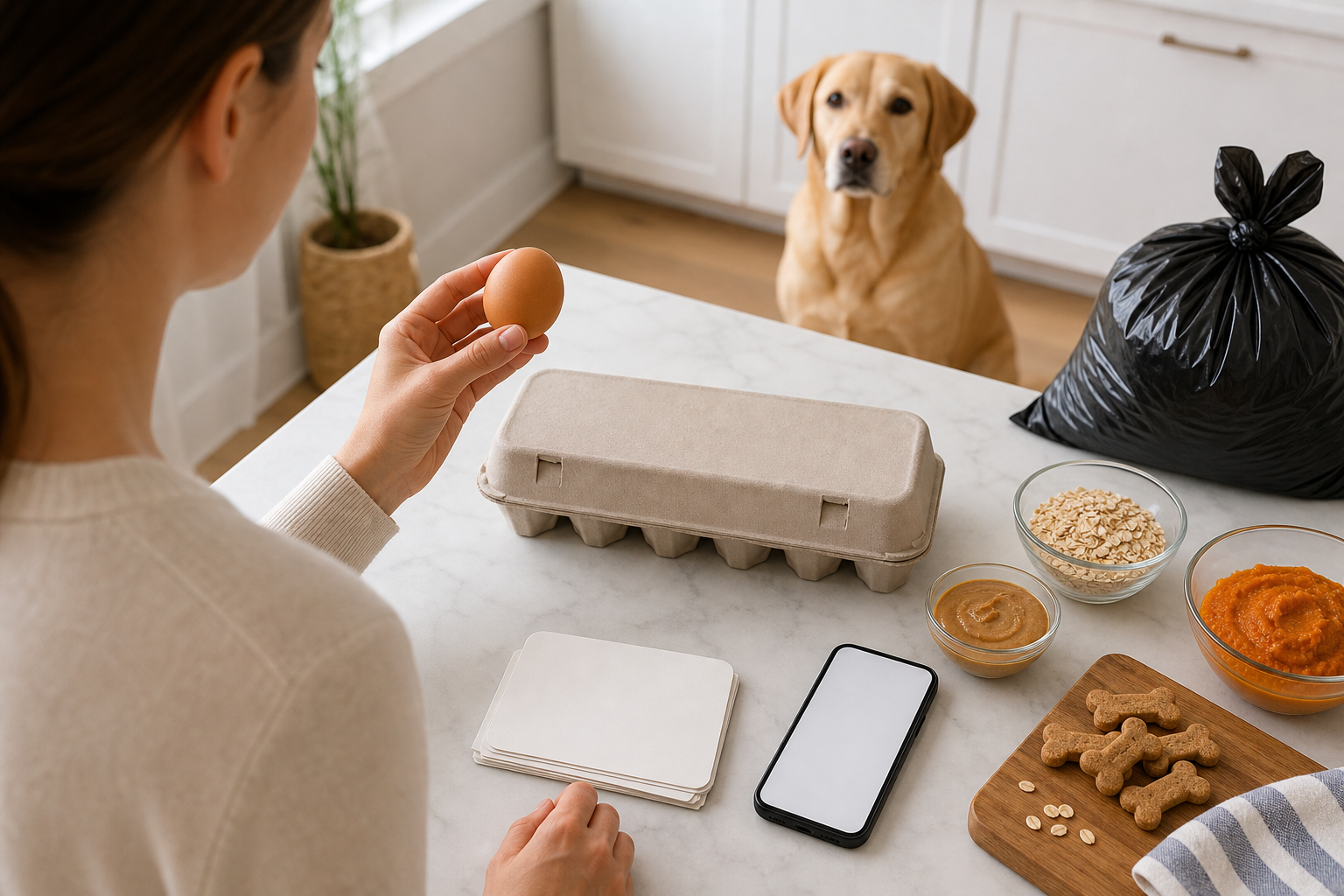
What to verify before buying eggs for homemade pet treats
Check the carton before checkout, not after you get home. A multi-dozen pack can look like a good value if you bake pet treats, but the bigger the carton, the more waste you create if the dates, plant code or storage conditions are wrong.
- Recall code: Match the plant code and Julian date against the FDA recall page before using sale eggs in treat recipes.
- Original packaging: Keep the carton until the eggs are gone, because the carton carries the codes you need for recall checks.
- Storage: Avoid eggs that have sat warm in a cart, car or porch delivery. If a pickup or delivery order was delayed, inspect the handoff timing before accepting the savings.
- Pet role: Treat eggs as an occasional snack or recipe ingredient, not a replacement for complete and balanced dog or cat food.
- Recipe safety: Skip raw-egg treat recipes. CDC does not recommend raw pet food or treats for dogs and cats because raw animal protein may carry germs.
The deal and coupon check
For pet owners, the right move is not to hunt for a bigger egg discount. It is to make sure the grocery deal still works after safety and waste are counted.
If you bought recalled eggs, follow the retailer or recall refund instructions instead of cooking them into pet food. If you are buying eggs specifically for dog treats, compare the real cost per usable egg with a smaller carton, a cooked commercial treat or a pet food topper that is already labeled for pets. A coupon that pushes you into a larger carton can be worse value if your pet only gets a small amount occasionally.
Also check whether your grocery pickup, delivery or membership terms handle recalled food cleanly. You want a refund or replacement path that does not require keeping unsafe food around, and you should not need to open a carton or test the eggs yourself to prove the problem.
What to avoid
Do not assume cooking recalled eggs makes the purchase worth saving. FDA and CDC tell consumers not to eat recalled shell eggs and to throw them out or return them. That advice should extend to pet treats, because handling and cross-contamination can affect the household even before the food reaches a pet bowl.
Avoid recipes that use raw eggs, raw batter or uncooked egg coatings for dogs or cats. ASPCA lists raw or undercooked meat, eggs and bones among people foods to avoid because they can contain bacteria such as Salmonella and E. coli, and CDC advises handwashing before and after handling pet food or treats. Cats have narrower dietary needs than dogs, so ask your veterinarian before adding eggs if your cat has a medical diet, digestive issues or weight concerns.
Quick answers
Can I feed my dog eggs?
Dogs can have plain cooked egg as an occasional snack if it fits their diet, but eggs add calories and should not become a daily staple unless your veterinarian recommends it.
Can I use recalled eggs if I bake the treats thoroughly?
No. If your carton matches the recall, follow FDA and CDC guidance: do not use the eggs, and return or discard them.
What if I already threw away the carton?
If you cannot identify whether the eggs are part of the recall, FDA advises throwing them away. Going forward, keep cartons until the eggs are used up.
Are commercial egg-based pet treats part of this recall?
This recall is for specific shell eggs from Midwest Poultry Services, not for all egg ingredients or pet treats. Still, it is a good reminder to check pet treat recalls and lot codes before stocking up.
Sources
Sources last checked: July 28, 2026, 22:37 Europe/Rome.