
#omega 3 pet supplements
#pet supplement deals
#salmon oil for dogs and cats
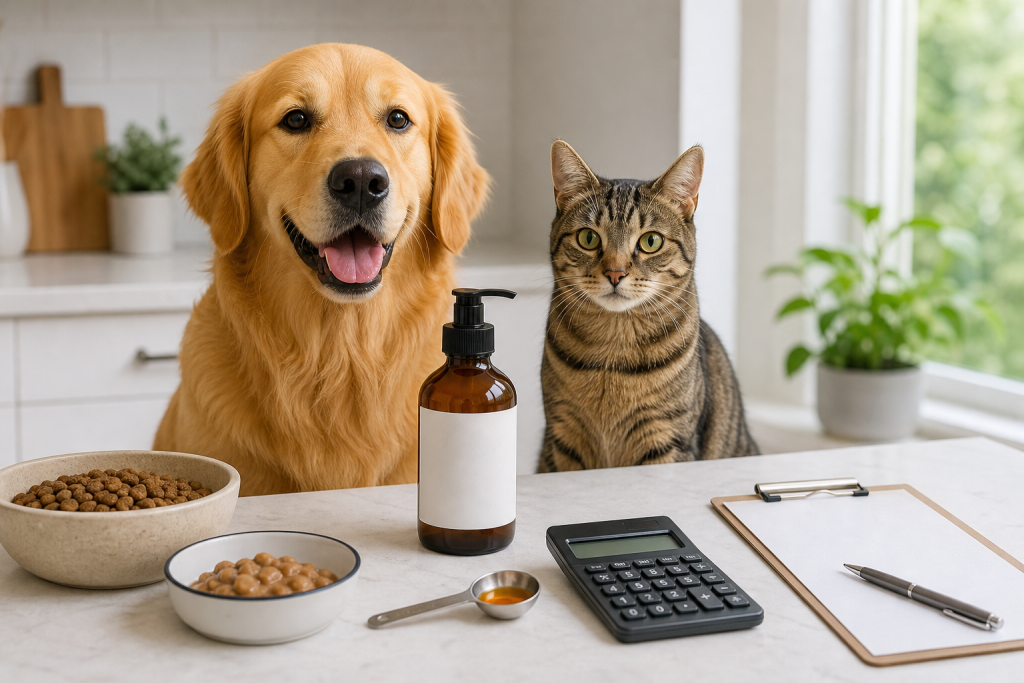
The best salmon oil deal is not automatically the biggest bottle. For dogs and cats, the smarter buy is the bottle that clearly lists EPA and DHA per serving, gives a realistic serving size for your pet’s weight, can be used before it goes stale, and does not turn a cheap checkout price into wasted oily calories. Treat it like a supplement purchase, not just a food topper.
Salmon oil is showing up across pet-supply shopping pages because owners want skin, coat and joint-support add-ons without changing a full diet. The catch is that many listings make the bottle size easy to see while the useful numbers, serving size, calories, EPA, DHA, storage and quality checks take more work to compare.
Why this matters now
Current pet-shopping demand is high for everyday add-ons that seem cheaper than switching food, and Amazon’s pet-supply bestseller surfaces recently included salmon oil among fast-moving dog and cat products. That does not make every bottle a good value. It means more owners are likely comparing large pumps, capsules and “skin and coat” claims while prices and marketplace listings change quickly.
Fish oil can be useful in veterinary nutrition, but it is also easy to overbuy. A large liquid bottle may look economical until you calculate how many pumps your pet actually needs, how many calories those pumps add, and whether the oil will still smell fresh near the end of the bottle.
The label numbers to compare first
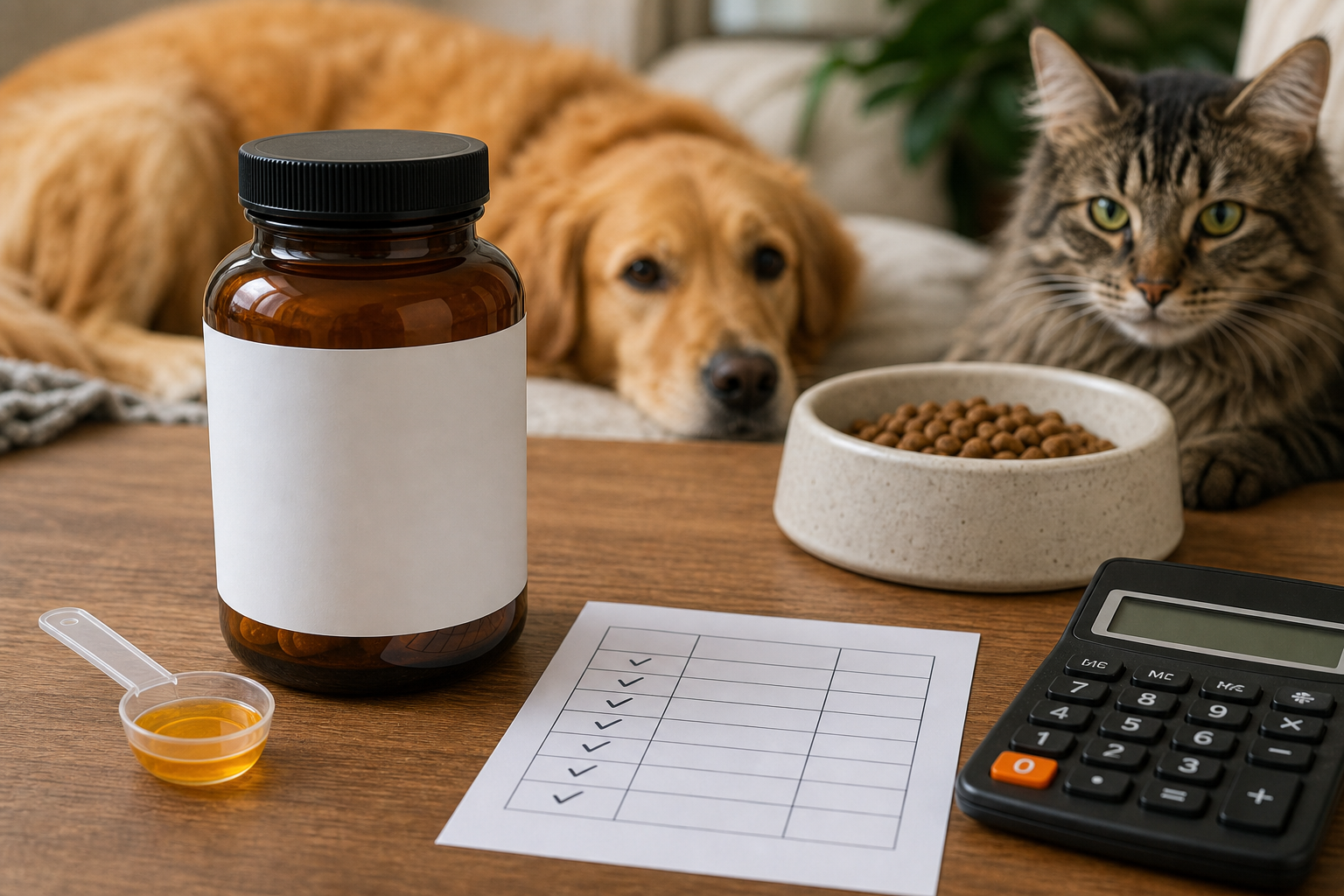
Do not compare salmon oil by ounces alone. Compare it by the amount of EPA and DHA your pet receives per serving. Those are the omega-3 fatty acids most owners are usually trying to buy.
A useful listing should make these checks easy:
- EPA and DHA per pump, teaspoon, capsule or chew. If the listing only says “omega-3” without breaking out EPA and DHA, you cannot compare it cleanly against another product.
- Serving size by weight. A tiny cat, a small dog and a large dog should not be treated as the same shopper in your cart.
- Calories and fat per serving. One published retailer answer for a salmon oil pump lists 20 calories per 1/2 teaspoon serving, which can matter for small pets or pets on weight plans.
- Container type and freshness plan. Pumps are convenient, but every opened liquid oil bottle still has a freshness clock.
- Species suitability. Check that the product is labeled for dogs, cats or both, not only marketed with a cute mixed-pet photo.
The hidden cost is often waste
The biggest bottle can lose if you have one small cat or a picky dog who only gets a tiny serving. Divide the bottle by the actual serving your pet would use, then ask whether you can finish it comfortably after opening. If not, a smaller bottle, capsules or a product with clearer freshness guidance may be the better deal.
Also account for mess. A pump that leaks, clogs or leaves oil on the counter can make a cheap bottle unpleasant enough that you stop using it. Before checkout, read recent reviews for pump failures, odor complaints, shipping leaks and whether the bottle arrived sealed.
Ask your vet before using it as a health fix
Salmon oil is not a diagnosis, treatment plan or substitute for a veterinary exam. If you are buying it because your pet has itchy skin, dull coat, joint pain, digestive trouble, weight loss, poor appetite or a new behavior change, ask your veterinarian what to check first. A supplement can hide the real shopping mistake if the problem needs diet review, parasite control, allergy workup or medical care.
This is especially important if your pet already eats a therapeutic diet, takes medication, has a history of pancreatitis, needs weight control, is pregnant or nursing, or has a condition where extra fat or supplements may not be appropriate. Bring the label or product link to the appointment so your vet can see the EPA, DHA, calories and ingredient list.
Deal and coupon checks before paying
If a salmon oil bottle is on sale, test the deal against the serving math. A coupon on a huge bottle is not helpful if half the oil sits unused. A subscribe-and-save discount is not helpful if the delivery interval is faster than your pet can safely and practically use the product.
Before you pay, verify:
- The final cart price after shipping, taxes and subscription terms.
- Whether the discount applies only to the first order.
- Whether you can pause, skip or cancel future shipments without calling.
- The return policy for opened supplements.
- The expiration or best-by date if the retailer shows it, especially for large bottles.
- Whether the seller is the brand, the retailer or a third-party marketplace seller.
Do not buy extra bottles just to hit a free-shipping threshold unless you already know the product works for your pet and you can use it within the freshness window.
What to avoid
Avoid listings that lean on broad “miracle” language while hiding the actual amount of EPA and DHA. Avoid products that do not clearly say whether they are for dogs, cats or both. Avoid assuming a human fish oil capsule is interchangeable with a pet product, since animal-use products are regulated differently and serving decisions should be made with veterinary guidance.
Be careful with old stock, damaged seals and rancid smells. Fish oils are sensitive products. If a bottle smells sharply off, arrives leaking, has an unclear seal, or looks different from the listing, do not pour it over your pet’s food just because it was discounted.
Quick answers
Is salmon oil better than fish oil for pets?
Not automatically. Compare the EPA and DHA amounts, serving size, freshness, quality information and your vet’s advice instead of buying by the fish name alone.
Can cats and dogs use the same salmon oil?
Only if the product is labeled for both species and the serving guidance fits each pet. Cats are not small dogs, so do not copy a dog serving onto a cat’s food.
Is a larger bottle cheaper?
Only if you can use it before quality drops and the serving math works. For one small pet, a smaller bottle can be the more honest deal.
Should I buy salmon oil on subscription?
Only after the first bottle works for your pet and you know the real usage rate. Set the interval from the serving chart, not from the retailer’s default.
Sources
Last checked: July 20, 2026, 19:34 Europe/Rome.
- FDA, FDA’s Regulation of Pet Food
- FDA, Animal Food Labeling and Pet Food Claims
- VCA Animal Hospitals, Fish Oil
- Veterinary Partner, Omega-3 Fatty Acids for Our Pets
- FDA, Stratford Care omega-3 supplement recall archive
- Chewy product Q&A example showing calories, EPA and DHA per pump, used only as an example of label fields shoppers should verify
- Amazon pet supplies new releases, used only as a current shopping-demand signal