
#flea and tick prevention
#new world screwworm
#pet product labels
#pet safety
A screwworm-related fly spray or wound product is not automatically a smart buy for a dog or cat. The label matters more than the headline, because at least one FDA-authorized screwworm spray is specifically not for domestic dogs and cats. If you are shopping because of the current New World screwworm news, put veterinarian guidance, species labeling and flea-and-tick prevention ahead of panic-bought sprays.
New World screwworm is back in U.S. animal-health headlines after confirmed animal detections in Texas and New Mexico. For most pet owners, the CDC says the current risk in the U.S. remains very low, but the story is still affecting shopping behavior because dogs and cats with wounds, tick bites or recent travel can seem suddenly vulnerable.
The checkout mistake is simple: a product can mention screwworm, wounds, flies or livestock and still be the wrong product for your pet. That is especially important for cats, small dogs, puppies, kittens and multi-pet homes where a dog-labeled product can be dangerous if it is used on a cat.
Why This Matters Now
USDA APHIS says New World screwworm larvae can infest pets, livestock, wildlife and, rarely, people. USDA’s current-status page also directs owners to report suspicious wounds, maggots or infestations immediately rather than treating the problem as an ordinary skin irritation.
FDA activity has added to the shopping confusion. The agency has issued emergency use authorizations for some screwworm-related animal drugs, including dog and cat products listed for treatment of infestations. But another FDA-authorized topical spray for multiple species says it may not be used in domestic dogs and cats. That is the kind of detail shoppers can miss when a product page or search result only highlights “screwworm.”
The Label Checks To Make Before You Buy
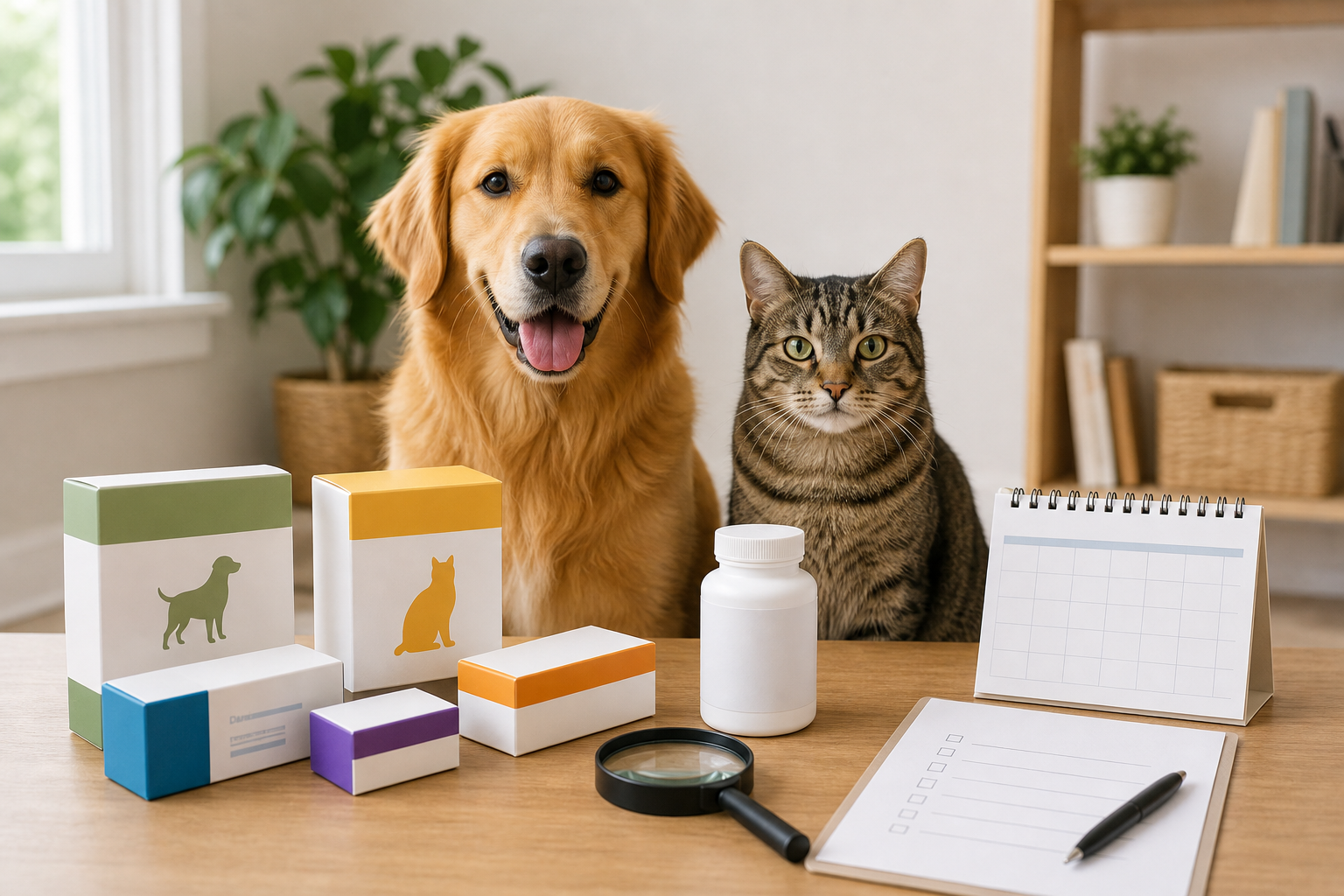
Start with species. The EPA tells pet owners to use flea and tick products only on the animal species and weight range listed on the label, and never to apply dog products to cats. That rule also makes sense when shoppers are comparing fly-control, wound-care or parasite products during a screwworm news cycle.
Next, check whether the product is prevention, treatment, wound cleaning, insect repellent or general first-aid support. Those are not interchangeable. A flea-and-tick preventive your veterinarian already recommends may help reduce bites and scratching that can create wounds, but it is not the same as treating a suspected screwworm infestation.
Also check the animal’s age and weight limits, the active ingredients, whether the product is prescription or over the counter, and whether the listing is sold by the brand, a major retailer or a third-party marketplace seller. If a product claims to treat a serious parasite problem but the label, species, dosage or seller looks vague, that is a reason to stop.
What To Buy Before Panic-Buying A Spray
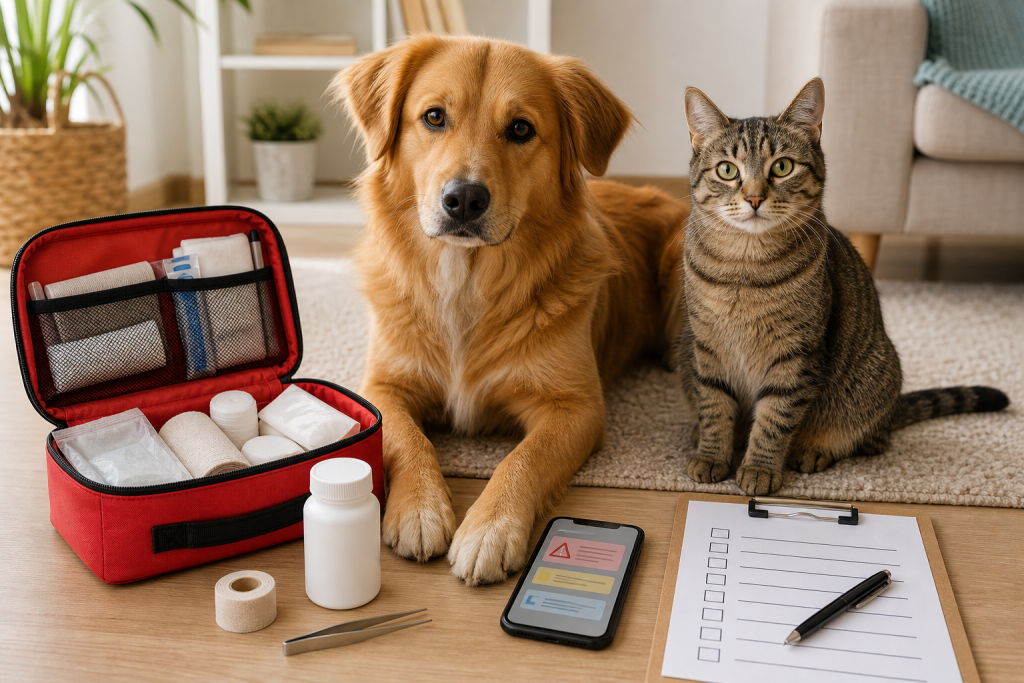
For many dog and cat owners, the practical shopping list is not a dramatic new product. It is a current veterinarian-approved flea-and-tick preventive, a clean first-aid kit for minor scrapes, a tick remover, a calendar reminder for refills and a plan for checking pets after outdoor time or travel.
If your pet has recently traveled near an affected area, has an open wound, or is licking, chewing or fixating on one spot, call your veterinarian instead of building a cart around online guesses. USDA and CDC guidance both point owners toward reporting and professional evaluation when suspicious wounds or infestations are possible.
For cats, be extra conservative. Cat safety is where many flea-and-tick shopping mistakes become expensive or dangerous, because some ingredients and doses meant for dogs are not appropriate for cats.
Deal And Coupon Checks Before Paying
A discount is useful only if the product is the right product. Before applying a coupon, verify the species, weight band, active ingredient, expiration date, refill quantity and return policy. If the listing is for a livestock, bird, exotic-animal or zoo product, do not assume it applies to your dog or cat.
For Autoship or Subscribe and Save orders, check the refill interval against the actual label directions and your veterinarian’s plan. A cheap first shipment can waste money if the next shipment arrives before you can use it, after the season changes, or for a product your vet tells you to avoid.
For marketplace sellers, avoid listings with blurry labels, missing EPA registration or FDA authorization details where relevant, vague animal species language, or images that show a different product than the title describes. If a retailer’s coupon makes you rush past the label, the coupon is doing the wrong job.
What To Avoid
- Do not buy a screwworm-labeled spray for a dog or cat unless the label and your veterinarian support that exact use.
- Do not use dog flea-and-tick products on cats.
- Do not treat a wound with a livestock product because it appears cheaper or stronger.
- Do not rely on an online product page if it conflicts with the physical label.
- Do not delay veterinary care for a suspicious wound, visible larvae, a foul smell or sudden intense licking at one spot.
Quick Answers
Should every pet owner buy a screwworm spray right now?
No. Most U.S. pets are still considered low risk by CDC framing, and many products that mention screwworm are not meant for domestic dogs or cats. The better first step is current flea-and-tick prevention, wound checks and veterinarian guidance if your pet is in or has traveled through a higher-risk area.
Is flea-and-tick prevention relevant to screwworm?
Yes, but it is not a cure-all. Bites and scratching can create small wounds, and wounds are part of the screwworm risk story. Use a product that matches your pet’s species, weight and health needs, and ask your vet if you are changing preventives.
Can I use an FDA-authorized screwworm product without calling my vet?
Do not treat a suspected infestation as a normal shopping problem. FDA authorization does not remove the need to match the exact species, product, label directions and clinical situation. Your veterinarian is the right person to guide treatment decisions.
Sources
Last checked: 2026-07-14 19:33 Europe/Rome.
- USDA APHIS, Current Status of New World Screwworm
- USDA APHIS, Confirmed Detections of New World Screwworm
- USDA APHIS, New World Screwworm Prevention for Animals
- CDC, New World Screwworm Outbreak Situation Summary
- FDA, New World Screwworm: Information for Veterinarians
- FDA, Emergency Use Authorization for F10 Antiseptic Wound Spray with Insecticide
- EPA, Controlling Fleas and Ticks on Your Pet
- AP News, What to know about protecting pets from the New World screwworm fly