
#automatic pet feeders
#pet food storage
#smart feeder deals
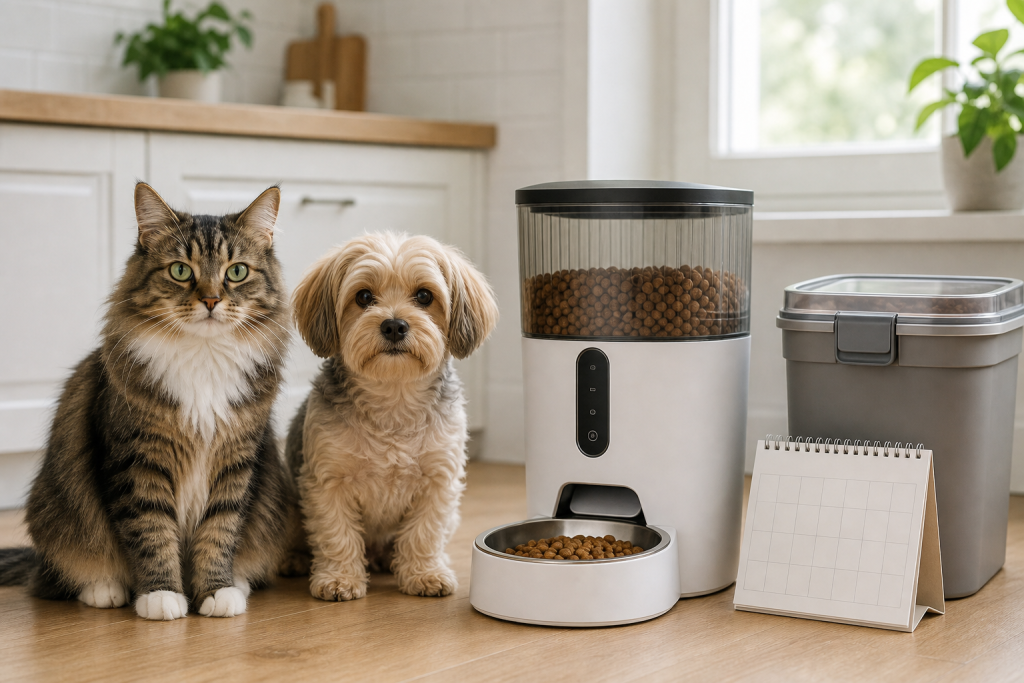
A smart feeder deal can look cheaper than it is if you do not price the desiccant packs, cleaning time and compatible replacement parts before checkout. Some automatic feeders use moisture-absorbing packets on a fixed replacement cycle, so the feeder is not a one-time purchase in the way a basic gravity bowl is. The safer buy is the one you can maintain easily, not just the one with the flashiest app or sale badge.
That matters right now because early October deal events are pushing pet tech into carts, and automatic feeders are a natural target for cat and dog owners who want help with routine meals. The hidden cost is not always a subscription. It can be a small refill pack, a seal that needs cleaning, a hopper that only works with certain kibble sizes or a return window that closes before you notice stale food or missed portions.
Why The Refill Pack Matters
Desiccant packs are used to help keep dry food in the feeder tank from picking up moisture. PETLIBRO’s feeder support page says some models need both desiccant packs replaced every 14 days, or sooner if they become hard or damp. PETKIT’s desiccant page lists a four-week replacement cycle for its feeder desiccant pieces and identifies the material as silica gel.
Those replacement cycles do not make the feeders bad. They do mean the checkout math should include more than the feeder’s sale price. If you buy a feeder because it is discounted but then skip the maintenance parts, you may lose the freshness benefit that helped justify buying the smart feeder in the first place.
The Checkout Math To Do First
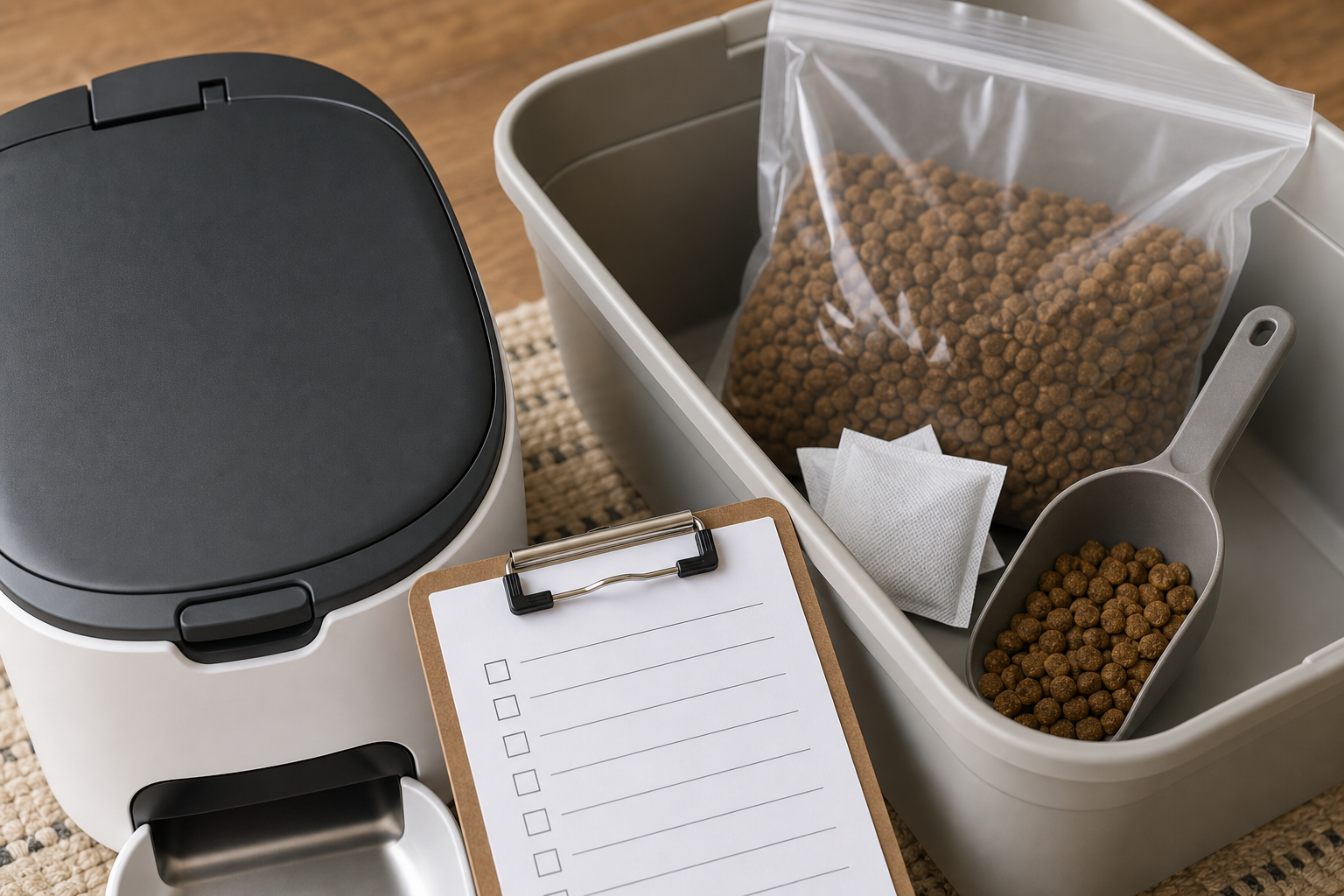
Before buying an app-connected feeder, check the ongoing parts list as carefully as the app features. Look for desiccant bags, bowls, trays, splitters, lids, power adapters and batteries. If the brand sells replacement parts only through its own store, check shipping cost, minimum order thresholds and whether the parts are often in stock.
Then calculate the refill schedule against your actual feeding routine. A two-week desiccant cycle is a very different commitment from a monthly one. A household with two feeders may double that small recurring cost, and a multi-cat home may also need extra bowls or tray inserts if you rotate parts through the dishwasher.
- Confirm the replacement interval in the manual or support page, not only in product reviews.
- Check whether the feeder uses brand-specific refills or common parts.
- Price a realistic six-month supply before calling the feeder a deal.
- Verify the return window, warranty length and who pays return shipping.
- Make sure the feeder still dispenses scheduled meals if Wi-Fi drops.
Food Storage Still Comes First
A desiccant pack is not a substitute for basic food storage. The FDA advises keeping dry pet food in the original bag when possible, or saving the UPC, lot number, product name, manufacturer and best-by date if you transfer it. The agency also says dry food should be stored in a cool, dry place below 80 degrees Fahrenheit, and that reusable containers should be washed and dried between bags.
That is especially important with feeders because the hopper can make food feel out of sight and easy to forget. Do not pour a giant bag into a small feeder and assume the app will solve freshness. Fill only what your pet will use in a reasonable period, close the main food bag or storage container tightly, and clean oily crumbs from the hopper before adding a new batch.
When A Basic Feeder May Be Better
A smart feeder is most useful when you need timed portions, remote checks, household sharing or a backup for routine dry-food meals. It is less compelling if your pet eats wet food, prescription meals, mixed toppers or unusually shaped kibble that may jam. PetSafe’s Smart Feed setup guide, for example, tells owners to prime the feeder when food gets low so meal sizes dispense correctly, which is a good reminder that automatic does not mean maintenance-free.
If your pet has a medical feeding plan, ask your vet before changing the routine. The article is a shopping guide, not a dosing plan. A feeder can help with consistency, but it should not replace veterinary instructions for diabetes, weight loss, prescription diets or pets that need monitoring while eating.
Deal And Coupon Checks Before Paying
During a sale, compare the feeder price with the full setup you actually need. A coupon on the base unit may not apply to refill packs, extra bowls or replacement trays. If the cart encourages a subscription or recurring accessory purchase, read the renewal terms and cancellation rules before using the discount.
Also check seller identity. For brand-specific parts, the cheapest marketplace listing may not be the safest buy if compatibility is unclear. Use the exact model number from your feeder, and keep screenshots or order confirmations until you have tested the feeder with your pet’s food.
What To Avoid
- Do not assume every automatic feeder needs the same desiccant pack.
- Do not put wet, fresh or semi-moist food in a feeder unless the manual specifically allows it.
- Do not ignore a damp or hardened desiccant pack because the feeder still runs.
- Do not use the feeder as long-term storage for a large bag of kibble.
- Do not rely on app alerts alone if your pet cannot safely miss a meal.
Quick Answers
Are feeder desiccant packs worth buying?
They are worth considering when the feeder is designed for them and the brand specifies a replacement cycle. They are not a reason to ignore normal food storage, cleaning or freshness checks.
Can I use any silica gel pack in a pet feeder?
Use the part specified by the feeder maker unless the manual clearly allows an alternative. The size, pouch material and placement matter because the pack sits near pet food.
Is a discounted smart feeder still a good deal?
It can be, but only if the replacement parts, food compatibility, app support, warranty and return policy still work for your household after the sale price is gone.
Sources
Sources last checked: October 4, 2026, 01:33 CEST, Europe/Rome.