
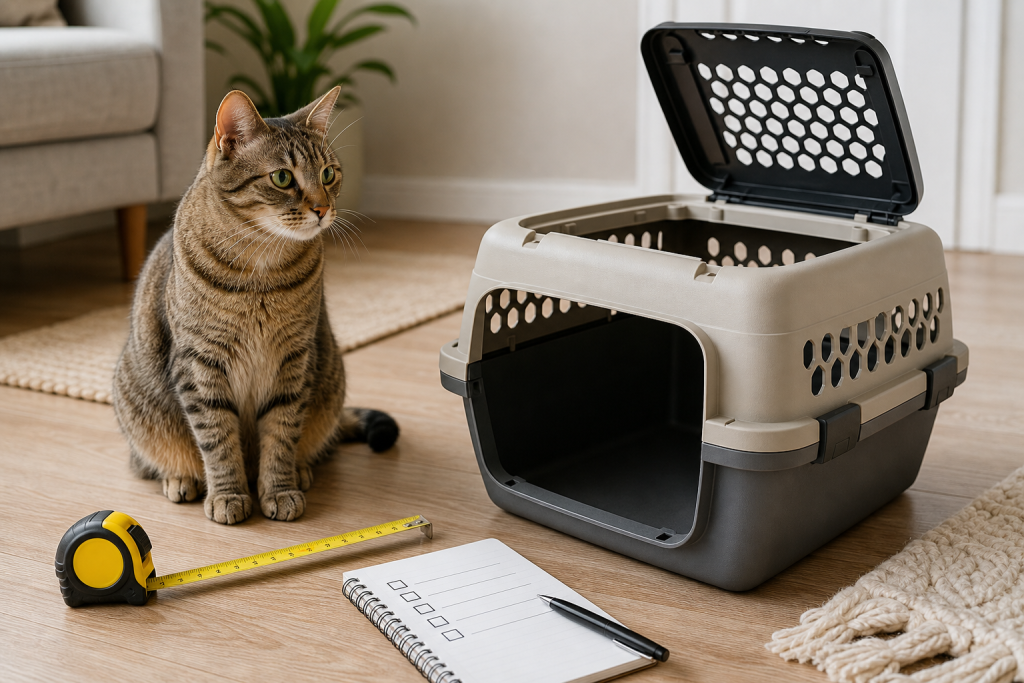
#cat carrier
#cat travel supplies
#pet supply deals
#top-loading carrier
A top-loading cat carrier is usually worth the extra money only if it makes loading safer, cleaning easier and vet visits less stressful for your cat. The deal is weak if the carrier is too small, hard to latch, awkward to carry or only looks convenient in product photos. Before you pay for a top-opening model, check the interior size, door security, ventilation, weight limit and return terms, not just the sale badge.
Cat carrier searches are active again because back-to-school routines, late-summer travel and new-kitten shopping are all pushing owners to replace flimsy carriers. Catit is also featuring its Cabrio carrier among current cat travel products, while Amazon best-seller pages continue to show demand for hard-sided and top-loading carriers. That demand makes sense, but it also creates a checkout trap: owners buy the carrier that is easiest to order, not the one easiest to use when a nervous cat has to leave the house.
Why top loading matters
The practical advantage is access. A front-only carrier asks you to guide a reluctant cat through a small door while the cat braces against the opening. A top-loading or removable-top carrier gives you a wider route in, which can matter during a rushed vet appointment, an emergency evacuation or a trip with a cat who hides as soon as the carrier appears.
That does not make every top-loading carrier a better buy. A weak hinge, shallow latch or flexible lid can turn the feature into another failure point. The safest purchase is a sturdy carrier that opens from the top or comes apart cleanly, closes with confidence and still gives the cat room to stand, sit, turn around and lie down.
The checkout checks that matter
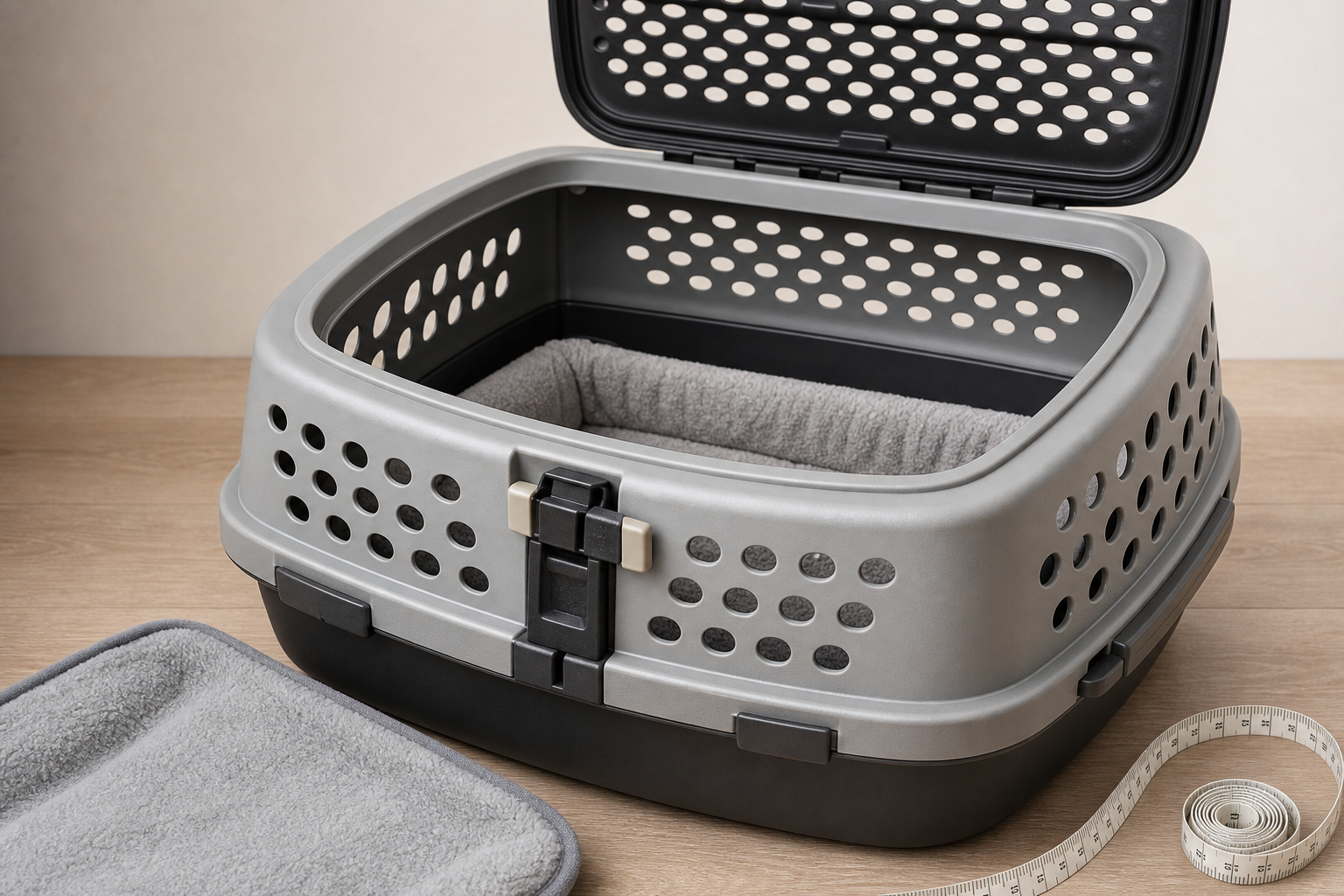
Start with the inside dimensions, not the outside dimensions. Product listings often make carriers sound roomy by quoting the full shell size, but your cat only uses the usable interior. If your cat’s ears press into the top, if the cat cannot turn around or if the carrier forces a curled position for every trip, the deal is not useful.
Then look at the door design. A good top opening should stay open while you place the cat inside, close without pinching bedding and lock in a way you can confirm by touch. If the listing only shows beauty photos and not the latch, hinge and assembled seams, slow down before checkout.
Cleaning access is another real cost. Vet visits, car rides and stress can mean accidents. A carrier with a removable top, smooth interior and washable liner is easier to reset than a fabric-heavy carrier with seams that hold odor. If replacement liners are proprietary, check whether they are actually sold separately before assuming the carrier will be cheap to maintain.
Finally, compare the carrier to your trip type. For ordinary car rides to the vet, a hard-sided, ventilated carrier that can be secured so it does not slide is usually more practical than a soft fashion carrier. For airline travel, the carrier rules change by airline, aircraft and route, so the phrase “airline approved” on a listing is not enough.
When a cheaper carrier is the better deal
A cheaper carrier can be the better purchase if it is sturdy, correctly sized, easy to clean and simple to load. Many cats do not need a premium multi-door model for a ten-minute vet ride. What they need is a carrier that does not flex open, trap heat, rattle apart or turn loading into a fight.
The higher-priced top-loading model starts to make more sense for cats who resist front loading, senior cats who need gentler handling, cats who visit the vet often or multi-cat homes where carriers get regular use. It can also help if your vet prefers a carrier with a removable top, because some exams can begin with the cat staying in the lower half of the carrier.
Do not pay extra for a top-loading feature if the carrier is too heavy for you to carry safely once your cat is inside. A carrier that feels fine empty can feel awkward with a large cat, bedding and supplies. Check the listed product weight, the handle design and whether the base stays level when lifted.
Deal and coupon traps to avoid
Carrier discounts often look better than they are because the product is bulky. Before using a coupon, compare the final cart after shipping, pickup availability, return method and any oversize fee. A lower sticker price can disappear if the carrier ships late, cannot be returned by mail cheaply or requires a store trip you were trying to avoid.
Watch for marketplace listings that use similar product photos for different sizes. A small carrier and a medium carrier may look identical on a phone screen, but the size difference can decide whether your cat fits. If the listing has multiple sellers, confirm the seller, return window and whether the exact size and color are eligible for the promotion.
For brand-name carriers, use the brand or retailer page to verify the model details before trusting a third-party listing. For generic carriers, rely on measurable facts: dimensions, material, latch type, ventilation, cleaning access and return policy. Do not treat review photos as a substitute for checking the specs.
What to avoid
Avoid carriers with poor ventilation, flimsy zippers, unclear weight limits or doors that depend only on pressure-fit plastic tabs. Avoid carriers that are so large your cat slides from side to side in the car. Bigger is not automatically safer if the cat cannot brace comfortably.
Do not buy a carrier only for one flight unless you have checked the airline’s current pet carrier rules for your exact trip. In-cabin space, aircraft type and international paperwork can change the decision. A carrier that is excellent for the vet may not fit under an airline seat.
Also avoid assuming a carrier will solve severe travel fear on its own. Letting the carrier sit open at home, adding familiar bedding and practicing short calm sessions can help some cats accept it. If your cat has intense travel stress, gets sick on trips or has a medical condition, ask your vet for guidance before the next ride.
Quick answers
Is a top-loading cat carrier safer?
It can be safer to use because loading may require less pushing and wrestling, but only if the carrier itself is sturdy, ventilated and securely latched.
Should I choose hard-sided or soft-sided?
For routine car rides and many vet trips, hard-sided carriers are often easier to clean and more protective. Soft-sided carriers may work better for some airline cabins, but airline rules must be checked before purchase.
How big should the carrier be?
Your cat should be able to stand or sit without pressing into the top, turn around and lie down. Do not rely only on the product photo or the breed examples in the listing.
Is a carrier with a removable top worth it?
Often, yes. It can make loading, cleaning and some vet handling easier. The value depends on whether the top reconnects securely and the carrier still feels rigid when assembled.
Sources
- ASPCA, traveling with pets safety guidance
- Humane World, travel safely with your pet
- Catit Cabrio Carrier product information
- Chewy, how to choose a cat carrier
- Amazon Best Sellers in Cat Carriers, used as a demand signal only
- Amazon Best Sellers in Cat Hard-Sided Carriers, used as a demand signal only
Sources last checked: August 20, 2026, 01:30 CEST, Europe/Rome.