
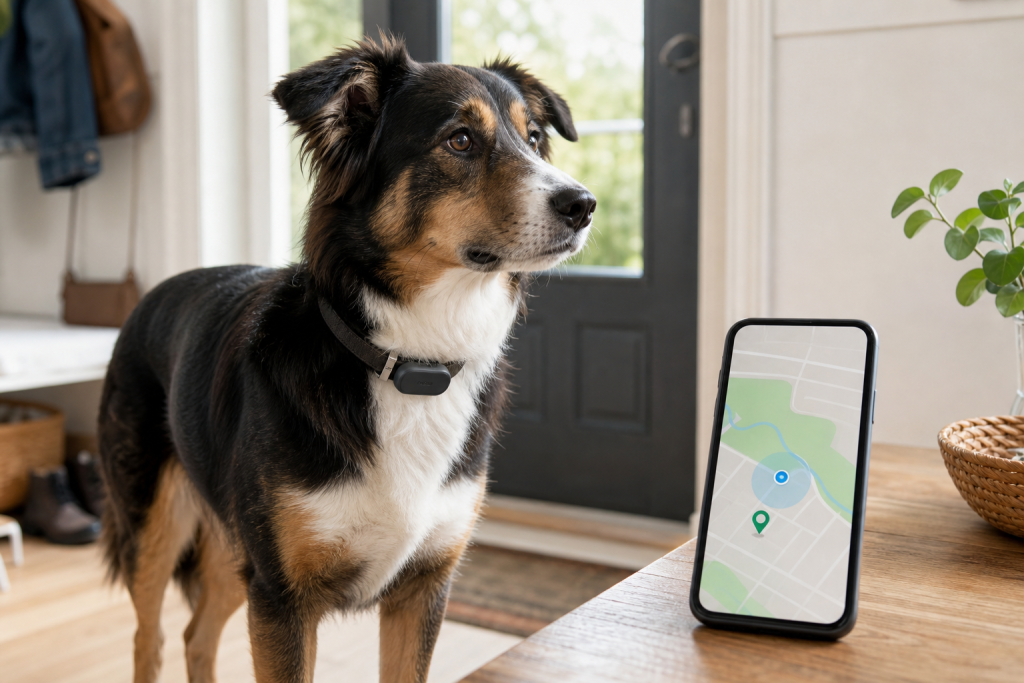
#gps dog tracker
#pet tech deals
#pet tracker subscription
#satellite dog tracker
A satellite dog tracker can be worth considering if your dog hikes, camps or runs in places where ordinary cell service disappears, but the word “satellite” does not make it a simple bargain. The device still needs a subscription, battery discipline, app setup, coverage checks and a backup ID plan before it becomes useful in a real escape. Treat the deal like a safety tool you have to operate, not a magic collar.
That matters now because Fi has launched Fi Ultra, a dog tracker that uses T-Satellite with Starlink when Bluetooth, Wi-Fi and cellular are not available. The current shopping hook is easy to understand: owners who already worry about dead zones may see satellite tracking and assume the hardest problem is solved. The checkout problem is that the monthly or annual cost, battery behavior, coverage limits and return terms still decide whether the upgrade fits your dog.
Why This Tracker Story Is Different From a Normal GPS Collar
Most GPS dog trackers depend on a mix of nearby Bluetooth, home Wi-Fi, a base station and cellular coverage. Fi says the Ultra adds satellite as a fourth connection method for remote areas without standard cell coverage. Its support page describes automatic switching between Bluetooth, Wi-Fi, T-Mobile cellular and T-Satellite with Starlink.
The useful part is obvious for rural yards, backcountry hikes, mountain trips and areas where a dog can move past the last reliable cell tower. The mistake is assuming satellite means constant rescue-grade tracking everywhere. Even Fi’s own help page frames the feature as location reporting in remote and rural areas, not as a replacement for supervision, recall training, physical containment, an ID tag or a microchip.
The Verge’s July 8 hands-on report adds the commerce detail shoppers need before they click buy: Fi Ultra was reported at $199, plus a $20 activation fee and a $189 annual subscription. The same report also flagged real-world tradeoffs, including a bulkier device for smaller dogs and weaker battery life during active tracking than owners might expect from the headline.
The Checkout Math to Do Before You Call It a Deal
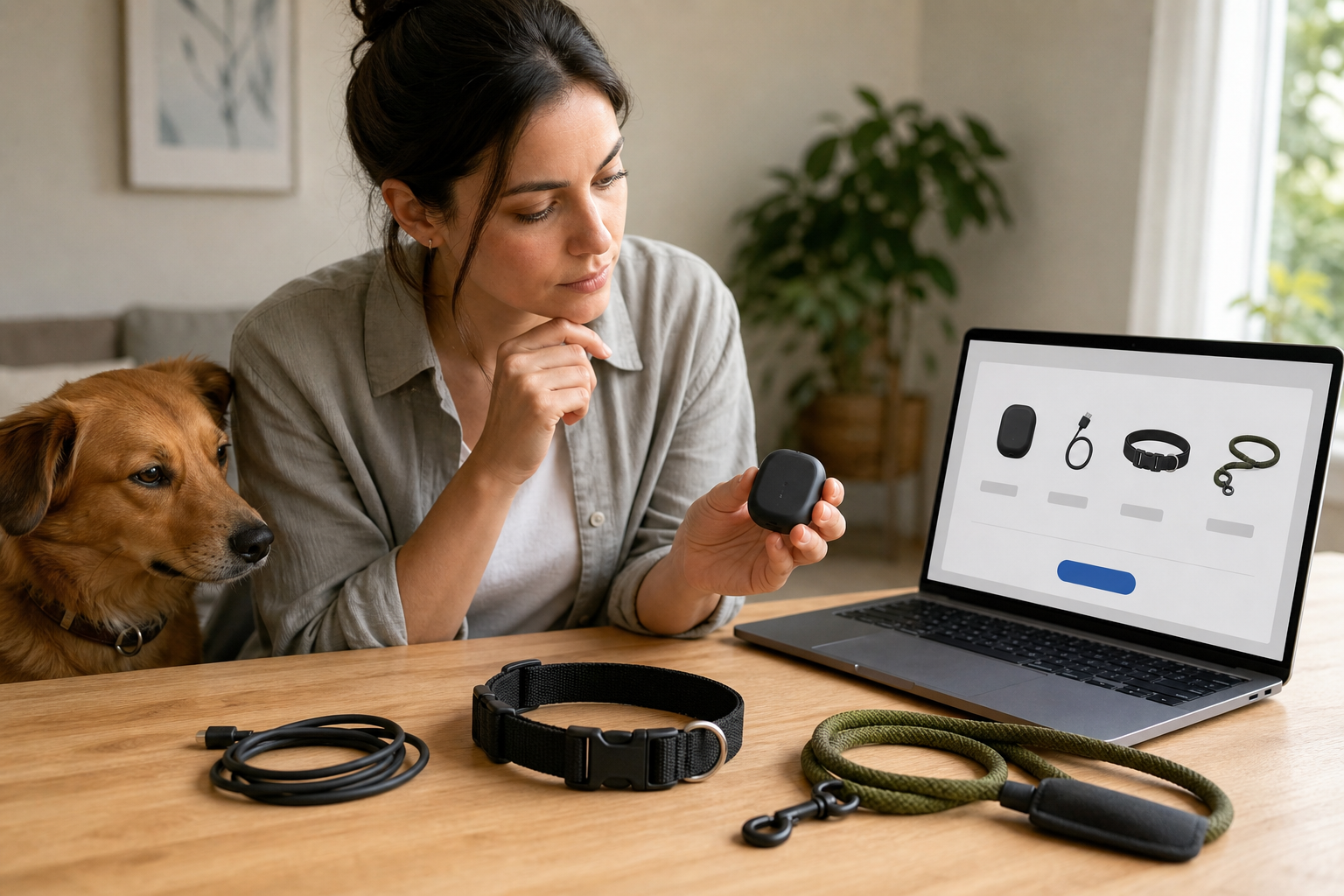
Start with the first-year cost, not the sale badge. For any satellite-capable pet tracker, add the device price, activation fee, required plan, taxes, replacement collar bands, charging accessories and any fee that appears only after account setup. If you have two dogs, do the math twice unless the company clearly offers a multi-pet discount in writing.
Then compare the plan with how your dog actually lives. A city dog who mostly walks on leash and spends time near home Wi-Fi may not need a premium satellite feature. A rural dog, hunting dog, hiking dog or escape-prone dog near patchy service may get more value from extended connectivity, but only if the tracker is charged, fitted and tested before the trip.
Check these points before paying:
- Whether the subscription is required for remote location access and Lost Mode.
- Whether the advertised price includes the collar, tracker, base, charging gear and membership.
- How renewal billing works after the first term.
- Whether satellite service works in the areas where your dog actually goes.
- How returns work if the tracker is too bulky, the app setup fails or battery life does not fit your routine.
- Whether warranty coverage includes water exposure, chewing, broken collar hardware or only defects.
Coverage Is Still a Buying Question
Fi’s support page says shoppers can check T-Mobile’s coverage map to see which areas are cellular versus satellite-only zones. T-Mobile describes T-Satellite as using Starlink direct-to-cell satellites to complement its network when a user is outside cell-tower range, with coverage information available through its own support pages.
That does not mean every trail, canyon, building, forest or travel route will behave the same way. Before a trip, test the tracker near home, set up safe zones, confirm app permissions, learn the connection icons and practice Lost Mode while your dog is safe. A tracker you have never tested is a weaker safety purchase, even if the spec sheet sounds impressive.
Battery Life Can Shrink the Value Fast
Battery claims are usually based on ordinary use, not the most stressful situation. Live tracking, weak signal, switching between connection sources, frequent location updates and long days away from the charging base can all shorten useful runtime.
For a satellite-capable tracker, that matters because the moment you most need it may be the same moment the device works hardest. The practical move is to charge before every off-leash outing, bring the charger for overnight trips, and decide whether your dog can wear the device comfortably for the whole activity. If the answer is no, the discount is not doing much for safety.
Do Not Skip the Old-School Backup
A satellite tracker is not a substitute for a visible ID tag, a registered microchip and current contact information. Tags help the first person who finds your dog. A microchip helps a shelter or vet clinic identify your dog after scanning. The tracker helps you search, but it can still be affected by charging, app access, broken hardware, subscription status or lost collar fit.
Fi’s terms also include an important caveat: the services do not provide emergency monitoring or life-safety services and should not be relied on to contact emergency services or locate a missing pet. That is the right way to think about any consumer pet tracker. It is a tool, not an emergency response team.
What to Avoid
Avoid buying only because “satellite” is in the product name. Also avoid assuming a tracker is right for every dog size, especially toy breeds, short-necked dogs or dogs that already dislike collar hardware. Check the tracker weight, collar width, attachment method and whether it works with your dog’s existing harness setup.
Be careful with used trackers too. A secondhand device may be locked to another account, out of warranty, missing the correct charger or tied to an inactive plan. If a marketplace listing cannot prove transferability and current support, the lower price can disappear during setup.
Do not use a tracker as permission to let a dog roam. A location update after an escape is not the same as prevention. Fences, leashes, recall training, supervised off-leash choices and travel containment still matter.
Deal and Coupon Checks Before Paying
If you see a launch discount, bundle, referral credit or retailer coupon, read the cart carefully. Pet tech deals often exclude memberships, replacement bands, activation fees or future renewals. The price that matters is the cost to keep the tracker useful for at least one full year.
Before checkout, look for the renewal date, cancellation path, refund window, warranty length, water-resistance wording and whether the plan renews automatically. If the deal only lowers the device price but locks you into an expensive annual plan you did not budget for, it may not be the deal it looks like.
Quick Answers
Is a satellite dog tracker better than a regular GPS tracker?
It can be better for dogs that regularly enter cellular dead zones, but it is not automatically better for every household. The value depends on your dog’s travel pattern, the subscription cost, battery life, size, coverage and whether you will keep it charged.
Does satellite tracking replace a microchip?
No. A microchip and visible ID tag are still important because they help someone identify your dog if the collar comes off, the battery dies or the subscription is inactive.
Should small-dog owners buy one?
Only after checking device size, weight and collar fit. A tracker built for remote adventures may be more hardware than a small dog wants to wear every day.
What is the smartest first step before buying?
Check the full first-year cost and coverage where your dog actually runs. Then read the return and warranty terms before the launch deal or coupon nudges you into a fast checkout.
Sources
Sources last checked: 2026-07-08 16:32 Europe/Rome.