
#cat deterrent spray
#cat scratchers
#cat scratching
#furniture protectors
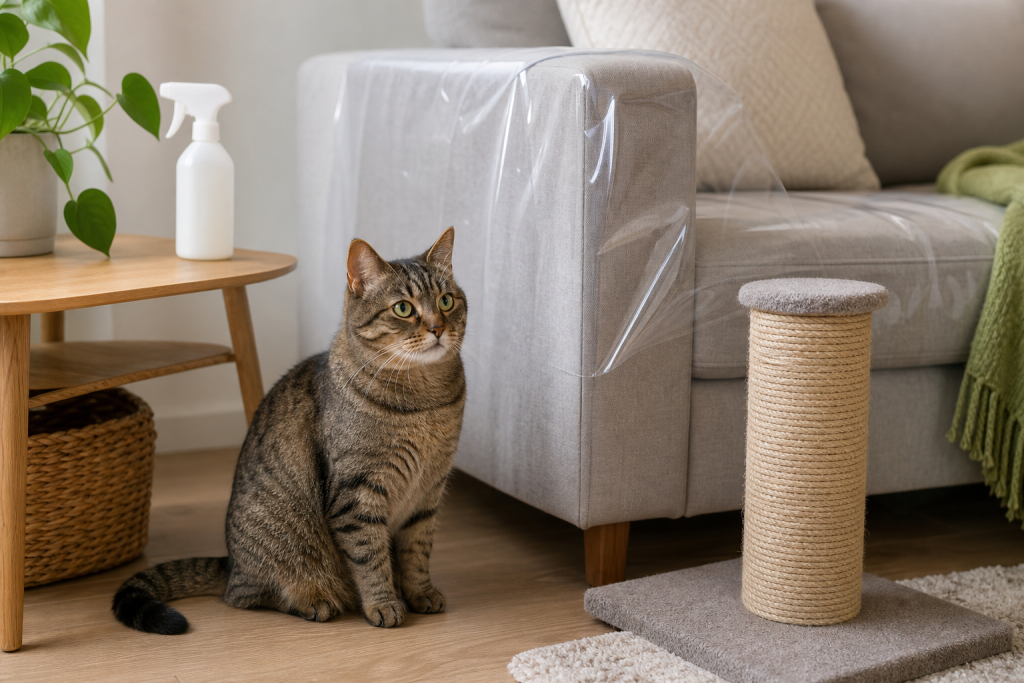
A cat deterrent spray can be a wasted deal if it is the only thing you buy for furniture scratching. The better purchase is usually a small system: a scratcher your cat actually likes, temporary furniture protection, a safe deterrent product if needed and a plan to reward the right behavior. Before checkout, check the label, surface compatibility and return terms instead of trusting a “stops scratching” claim by itself.
Why this shopping mistake matters now
Cat scratch deterrents are easy to impulse-buy because the problem feels urgent. A scratched sofa, door frame or rug looks expensive, and online listings often promise a quick fix. Current shopping results show plenty of sprays, tapes and furniture shields competing for the same search, but cat behavior sources agree on the bigger point: scratching is normal cat behavior, not a defect that a spray can simply erase.
The ASPCA explains that cats scratch to stretch, mark territory, exercise and maintain their claws. Humane World also recommends giving cats acceptable scratching options and making the off-limits surface less attractive while the cat learns the new routine. That means a discount bottle may help at the edge of the plan, but it should not replace a stable post, scratch pad or furniture protector.
The checkout test most cat owners skip
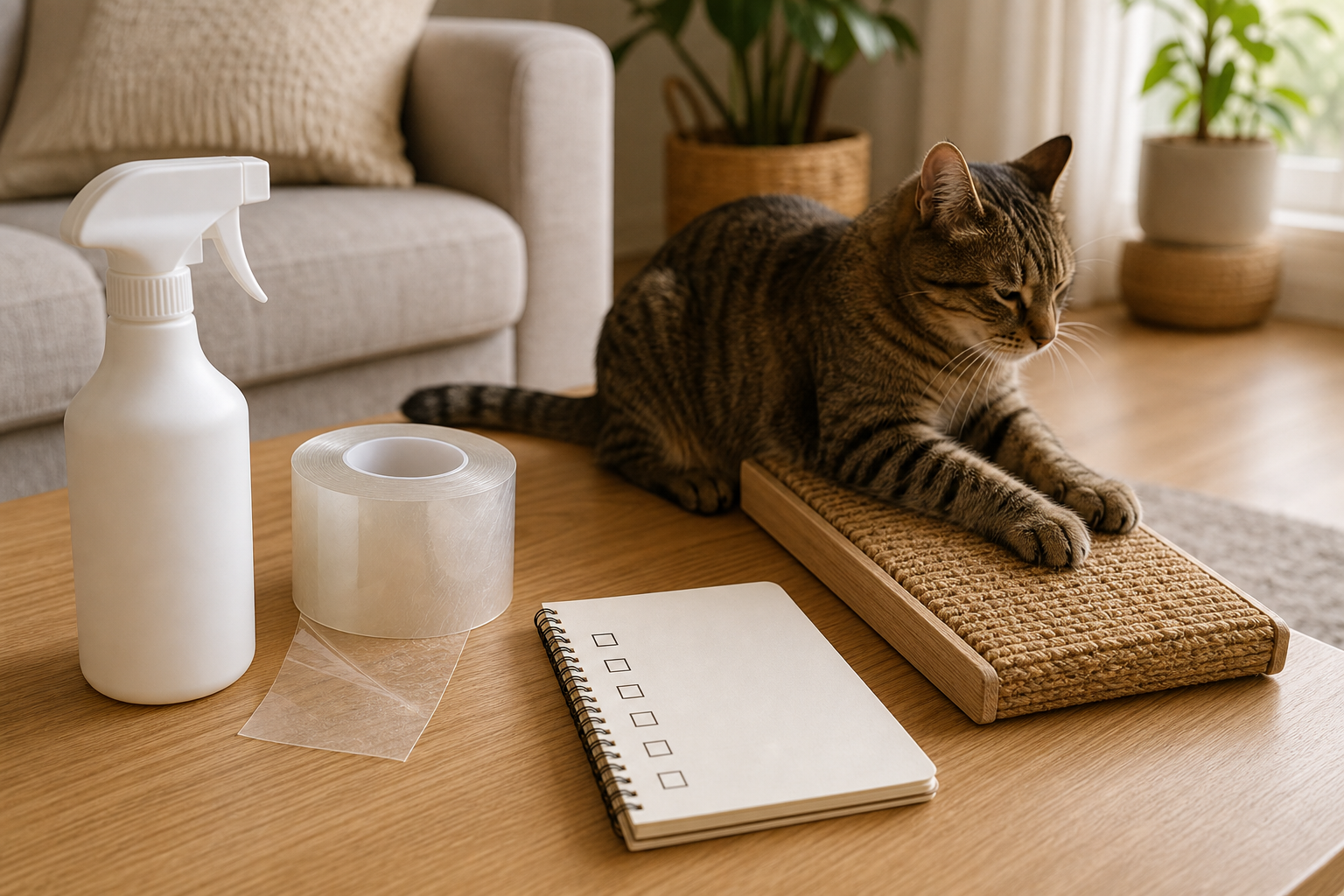
Before buying a cat deterrent spray, ask what job it is supposed to do. If the cat has no better place to scratch, the spray is being asked to solve the wrong problem. A better cart usually includes one attractive scratching surface near the problem area and one temporary blocker for the surface you are protecting.
Use this quick checkout filter:
- Surface match: Check whether the spray or tape is safe for your sofa fabric, leather, wood trim, carpet or painted surface. Test in a hidden spot first.
- Cat-safe label: Avoid vague “natural” claims. Natural oils and strong scents are not automatically safe for cats.
- No direct spraying at the cat: The product should be applied to the object as directed, not used as a punishment.
- Replacement math: Sticky tape, plastic shields and sprays can be repeat purchases. Compare the cost with a better scratcher or washable couch cover.
- Return terms: If the cat ignores the new post or the protector damages fabric, you need to know whether the retailer accepts opened or used pet training items.
Spray vs. tape vs. a better scratcher
A spray is the least certain item in the cart because scent-based deterrents depend on the individual cat, the surface and how consistently the product is used. Some cats avoid a scent. Others wait until it fades, scratch a nearby spot or simply choose a different piece of furniture.
Clear furniture tape or plastic shields can be more concrete because they change the texture of the target surface. They still have tradeoffs. Adhesive can leave residue, glossy protectors may look bad in a living room and some cats move to the next uncovered corner.
A scratching post or pad is the part that gives the cat a legal outlet. Look for height, stability and material before appearance. If your cat stretches vertically on the sofa arm, a low horizontal pad may not solve that specific behavior. If your cat likes cardboard, a carpeted post may lose to the couch again.
Deal and coupon checks before paying
Do not treat the cheapest deterrent spray as the cheapest fix. A small bottle that needs frequent reapplication can cost more than a larger protector sheet or a scratcher placed in the right spot. If a retailer offers a sale bundle, check whether it includes useful items or just extra bottles of a product you have not tested yet.
For coupon shopping, verify the final cart instead of the sale badge. Look for shipping minimums, excluded marketplace sellers, Autoship rules, return shipping fees and whether the discount applies before or after other promotions. If you are trying a deterrent for the first time, a smaller bottle plus a proven scratcher may be smarter than a bulk pack.
What to avoid
Avoid any listing that implies scratching can be stopped without giving your cat an acceptable alternative. Scratching is normal, so a product that only says “repels cats” may protect one surface while leaving the behavior unresolved.
Be careful with strong essential-oil language, especially around cats. A product can sound gentle because it is plant-based, but that does not make it automatically appropriate for every home, every surface or every pet. If your cat has asthma, skin sensitivity, stress-related behavior, overgrooming or sudden new scratching, ask your veterinarian before treating it as a simple shopping problem.
Do not use punishment as the plan. The ASPCA warns that startling a cat can create fear associations if used poorly. For shoppers, that means the cart should focus on redirecting, covering and rewarding, not on products that make the cat afraid of you or the room.
A practical cart that makes more sense
For one scratched sofa corner, start with a sturdy scratching post or angled pad placed right beside that corner. Add a temporary cover, tape or shield over the exact area the cat is damaging. If you still want a spray, choose one with clear directions, no overblown medical or behavior claims and a label that fits your surface and household.
Then make the scratcher more appealing than the couch. Put it where the cat already scratches, keep it stable and reward use with play, treats or catnip if your cat responds to it. Move it only gradually after the habit changes.
Quick answers
Do cat deterrent sprays always work?
No. They can help some cats avoid a surface, but they are not reliable as a standalone fix. Pair them with a better scratching option and temporary furniture protection.
Is furniture tape better than spray?
It can be more predictable because it changes the feel of the surface. The downside is residue, appearance and coverage. Always test adhesive products on a hidden area first.
Should I buy a scratcher at the same time?
Usually yes. If you only block the couch, your cat still needs a normal place to scratch, stretch and mark.
Can I use homemade citrus or essential-oil sprays?
Be cautious. Homemade recipes often skip pet-safety and surface testing. For cats, strong scents and essential oils deserve extra care, so ask your vet if you are unsure.
Sources
Last checked: 2026-07-19 04:34 Europe/Rome.
- ASPCA, Destructive Scratching.
- Humane World, Stop Cat From Scratching Furniture With a Scratching Post.
- PetSmart Learning Center, How to Stop Your Cat From Scratching the Furniture.
- Amazon Best Sellers, Cat Repellents Sprays, used only as a shopping-demand signal.