
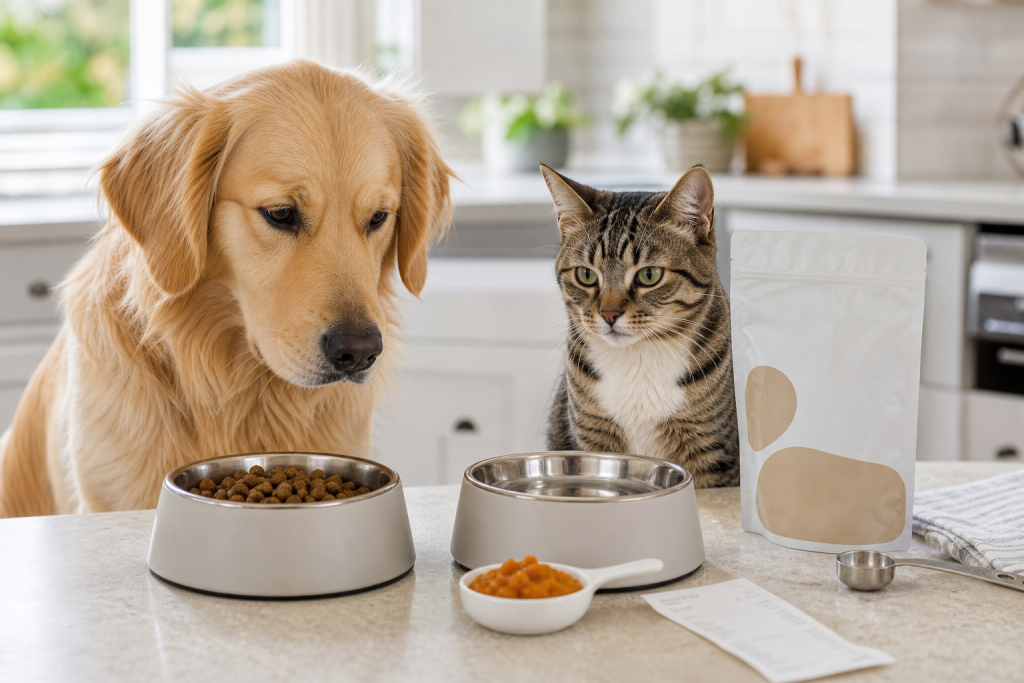
A pumpkin topper deal is only useful if the label, serving size and storage format match how your dog or cat actually eats. Powder can look cheaper than canned pumpkin until you calculate the rehydrated serving, while supplement blends can make bigger digestive claims than a plain food topper should. If your pet has ongoing diarrhea, constipation, vomiting, weight loss or a medical condition, skip the cart-first approach and ask your vet before adding anything new.
Why Pumpkin Toppers Are Showing Up In So Many Carts
Pumpkin has become one of the easy add-ons pet owners reach for when they want a simple bowl boost. It also sits at the overlap of three active shopping trends: functional treats, supplement powders and food toppers that promise more than ordinary snacks.
That is why the deal can get confusing. You may see canned plain pumpkin, single-serve puree cups, freeze-dried pumpkin powder, probiotic pumpkin blends and pumpkin treats all marketed beside each other. They are not interchangeable in price, calories, storage or claims.
Recent pet supplement research covered by Petfood Industry points to digestion, gut health and powder or granule formats as active consumer interests. Amazon best-seller pages also show pumpkin-related dog products appearing among high-demand pet supplies. Those are demand signals, not proof that every pumpkin product is right for every pet.
The Checkout Mistake: Comparing The Package, Not The Serving
The easiest mistake is comparing a pouch, can or jar by sticker price. A powder may cost more upfront but last longer. A pouch may look small but rehydrate into many servings. A puree cup may be convenient but expensive if you use it every day.
Before buying, calculate three things:
- How many actual servings your pet will get from the package.
- Whether the serving is listed as dry powder, rehydrated powder or ready-to-feed puree.
- How much you will throw away after opening because of spoilage or resealing problems.
For a pet that only needs an occasional topper, a small plain-pumpkin format may waste less than a large can. For a multi-pet household, a shelf-stable powder may be easier to portion. The better deal is the one you can use correctly, not the one with the biggest label.
Check Whether It Is Food, Treat Or Supplement
AAFCO explains that pet owners should choose foods labeled for the pet’s species, life stage and condition, and that a complete-and-balanced food is different from a treat or supplement. FDA guidance also says treats, snacks and supplements are typically not intended to be a pet’s sole diet.
That matters because pumpkin toppers often sit beside real food online. If the product says “for intermittent or supplemental feeding only,” treat it as an add-on. It should not replace the balanced food your pet already eats unless your veterinarian has told you to use a specific feeding plan.
Be especially cautious with blends that add probiotics, enzymes, herbs or multiple functional ingredients. A plain pumpkin product is not the same shopping decision as a multi-ingredient digestive supplement. For supplement-style products, look for batch information, clear directions, customer support and a quality program. NASC says its Quality Seal is earned through an audit and ongoing compliance, including labeling, adverse-event handling and testing expectations.
What To Verify Before You Pay
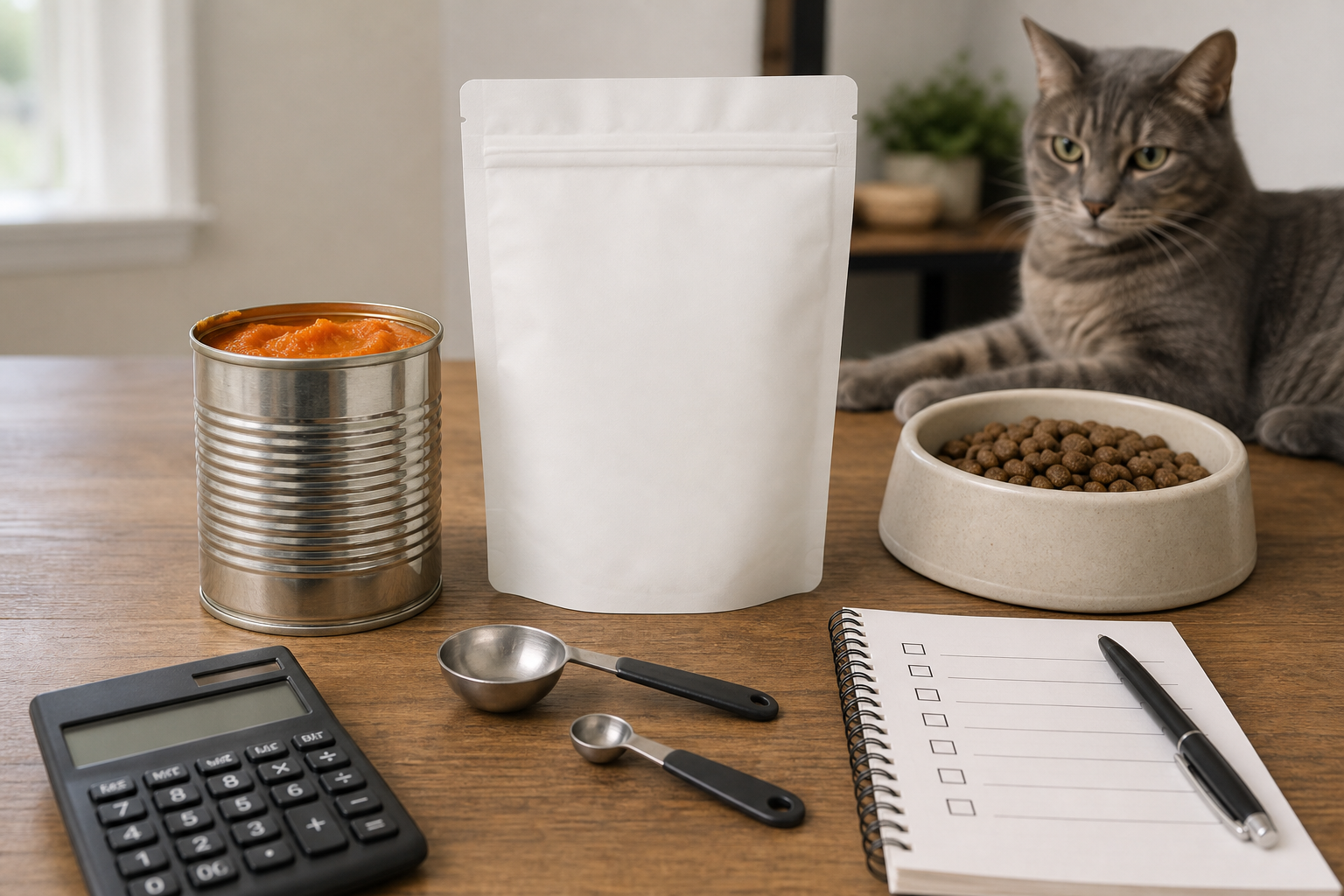
Use this checklist before treating a pumpkin-topper discount as a real saving.
- Ingredient list: Choose plain pumpkin when that is what you mean to buy. Avoid confusing pumpkin pie filling, sweetened flavors or spice blends with simple pumpkin.
- Species directions: Confirm the label gives directions for dogs, cats or both. Do not assume a dog-facing product is automatically a good cat product.
- Serving math: Convert the package into usable servings for your pet’s size. A tiny scoop can be economical, but only if the scoop size is clear.
- Calories: Add toppers to the day’s intake. Small extras can matter for pets already gaining weight.
- Storage: Check whether the product must be refrigerated after opening, used within a certain window or protected from moisture.
- Lot and expiration information: Make sure the lot code and best-by date are readable when the package arrives.
- Return terms: Confirm whether opened food, supplements or pantry items can be returned if your pet refuses them.
Deal And Coupon Checks
A pumpkin powder coupon can be useful, but it can also distract from the real cost. Check whether the discount applies only to first-time Autoship, a minimum cart, a bundle or a specific flavor. If you have to buy three pouches to trigger a promo, the deal may not help if your pet only tolerates it once a week.
Also compare shipping thresholds. A low-price pouch can lose its advantage if it pushes you below free shipping or arrives as a marketplace item with a stricter return path. For any pet-food or supplement product, buy from a retailer or seller that shows clear product details, sealed packaging and support if the package arrives damaged.
Do not buy extra just because the product is on sale. Pumpkin products are not emergency veterinary care, and stockpiling a supplement blend you have never tried can turn one cheap order into several unused bags.
What To Avoid
Avoid products that make the pumpkin sound like a guaranteed fix. Digestive signs can come from many causes, including diet changes, parasites, infection, stress, medication or underlying disease. A shopper guide can help you avoid a bad buy, but it cannot diagnose your pet.
Skip vague labels that hide the actual pumpkin amount behind a broad blend name. Be careful with added sweeteners, strong flavors, essential oils or ingredient lists designed more for human appeal than pet feeding. For cats, be extra conservative with flavored supplements because palatability and species-specific needs can be very different from dogs.
If your pet is very young, senior, pregnant, nursing, diabetic, on medication or already under veterinary care for digestive trouble, ask your vet before adding pumpkin powder, probiotics or enzyme blends. That is especially important if the product tells you to use it daily.
Fast Answers
Is pumpkin powder always cheaper than canned pumpkin?
No. It depends on the rehydrated serving size, how often you use it, shipping and waste after opening.
Can a pumpkin topper replace complete pet food?
Usually no. Treats and supplements are generally add-ons, while complete-and-balanced foods are formulated to meet daily nutrition needs.
Should I buy a probiotic pumpkin blend instead of plain pumpkin?
Only if the extra ingredients make sense for your pet and the label is clear. For ongoing digestive signs, ask your vet rather than choosing by marketing claim.
What is the safest first purchase?
Start small, choose a simple formula, check the serving directions and keep the receipt. A large bundle is rarely the best first test.
Sources
Sources last checked: 2026-07-18 10:36 Europe/Rome.