
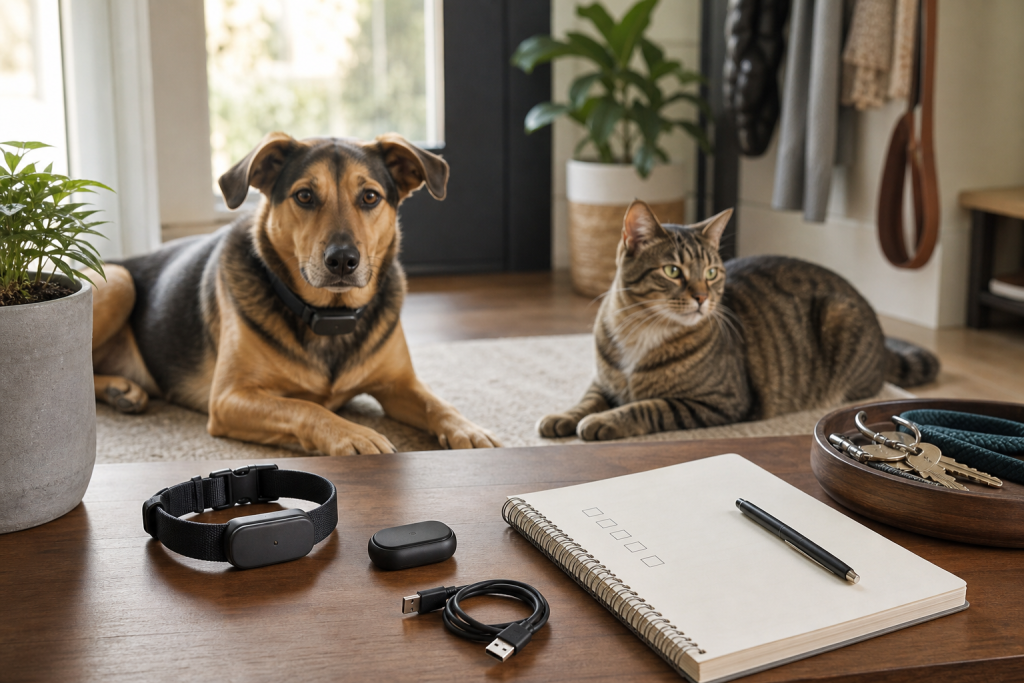
#pet health collar
#pet tech
#pet wearables
#smart pet collar
A pet health collar deal is useful only if you treat it as a trend tracker, not as permission to delay a vet visit. These collars can collect activity, rest, breathing, heart-rate or temperature signals, but the buying mistake is assuming an alert is the same thing as a diagnosis. Before checkout, check the subscription, battery life, collar fit, data-sharing options and exactly what your veterinarian can actually use.
This matters now because pet wearables have moved past simple step counts. Current smart-collar listings and pet-tech coverage increasingly talk about health baselines, AI alerts, respiratory-rate trends and vet-ready reports. That can be helpful for owners of senior pets or pets already being monitored by a veterinarian, but it also makes the checkout page sound more medical than most shoppers should treat it.
Why the claim sounds better than the deal
A basic GPS collar answers one question: where is your pet? A health-monitoring collar tries to answer a messier question: is your pet acting differently from normal? Brands such as Maven and PetPace describe collars or collar-mounted sensors that track signals like activity, rest, resting respiratory rate, heart-rate trends, itch behaviors, temperature or other vital signs, depending on the device.
That does not make every health collar a bad buy. It means the shopper has to price the device like a monitoring system, not like a cure, diagnosis or replacement exam. A collar may help you bring better notes to a veterinary appointment. It should not be the reason you ignore visible changes in appetite, breathing, movement, urination, drinking, pain, collapse, weakness or behavior.
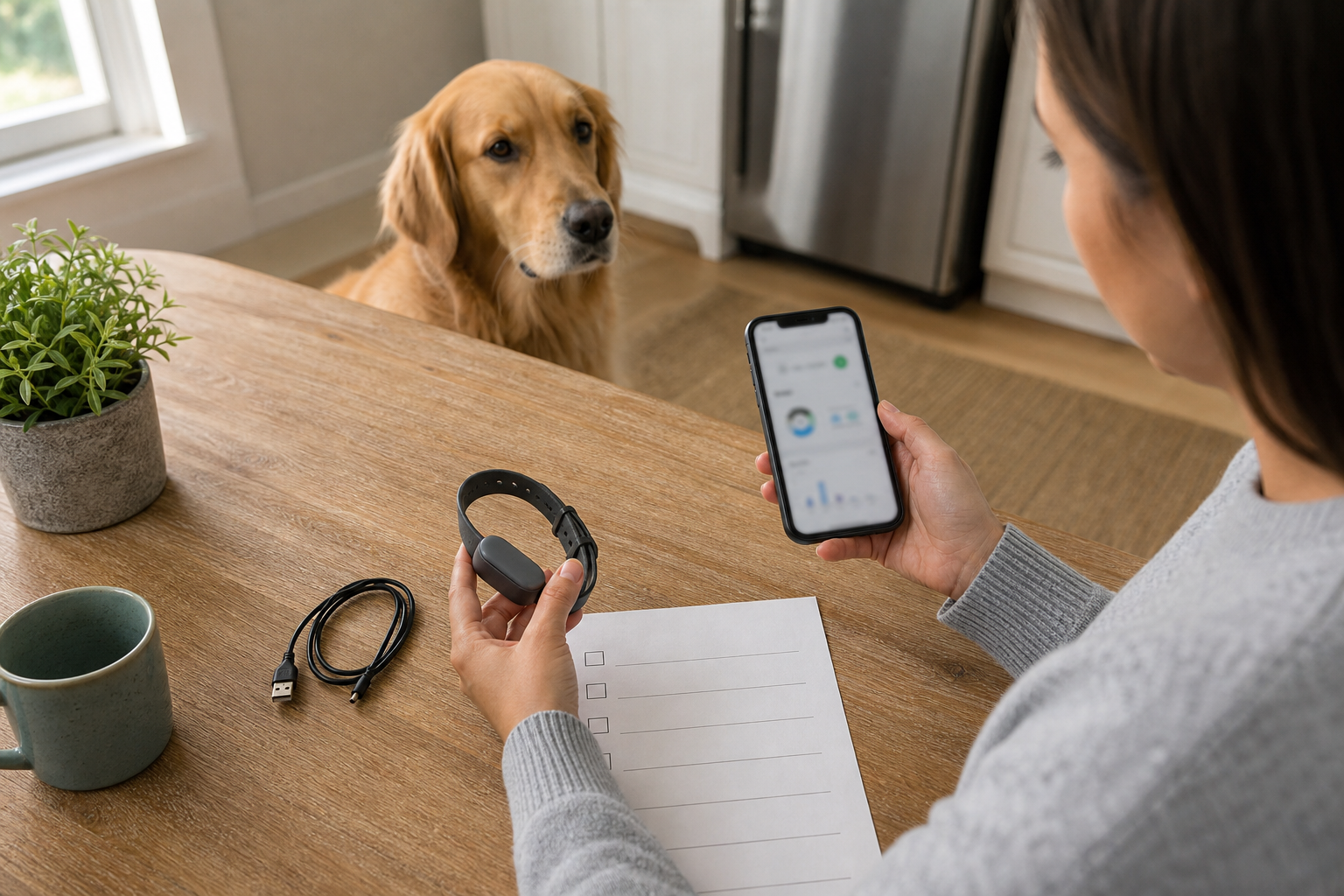
The checkout checks that matter first
Start with the metric list. If a listing says “health monitoring,” look for the exact measurements: activity, sleep, resting respiratory rate, heart rate, temperature, itch tracking, water intake, GPS or safe-zone alerts. Do not pay a premium for a broad promise if the device only tracks movement and sends generic wellness scores.
Next, check how the baseline works. A useful wearable usually needs time to learn your pet’s normal routine, and that normal may change with age, medication, surgery, weather, household schedule or travel. If the product does not explain baseline learning, false alerts or what happens when the pet has an unusual week, expect more noise from the app.
Then check the fit. The sensor has to stay positioned correctly on the collar, and the collar has to be comfortable enough for daily wear. Look for the device weight, dimensions, collar compatibility, minimum pet size, water-resistance language, charging method and whether replacement clips or mounts are sold separately. A collar that looks cheap can become expensive if one small attachment breaks and the whole sensor becomes hard to use.
The subscription can be the real product
Many pet-tech deals discount the device and recover money through app access, cellular service, AI summaries, vet chat, extended history or premium alerts. Before paying, calculate the first year and second year separately. Include the device, monthly or annual plan, shipping, replacement parts, batteries, charger, collar accessories and any extra fee for multiple pets.
Also check what stops working if you cancel. Some devices may still collect limited data, while others may lose cloud history, notifications, reports, GPS or customer support features. If the deal page does not make that clear, treat the advertised price as incomplete until support confirms it in writing.
What to ask your vet before buying
If your pet has a known condition, ask your veterinarian which home observations are actually useful. For some pets, a simple notebook, scheduled weigh-ins, appetite notes, medication logs and short videos may be more useful than a wearable. For others, trends such as resting respiratory rate or activity changes may help a veterinary team understand what happens between visits.
The key is to ask before you build your routine around the app. Ask whether your vet wants screenshots, exported reports, raw numbers or only a symptom timeline. Ask which changes should trigger a phone call and which changes can wait for the next appointment. Do not make medication, diet or exercise changes based only on a collar alert unless your veterinarian has told you exactly how to use that information.
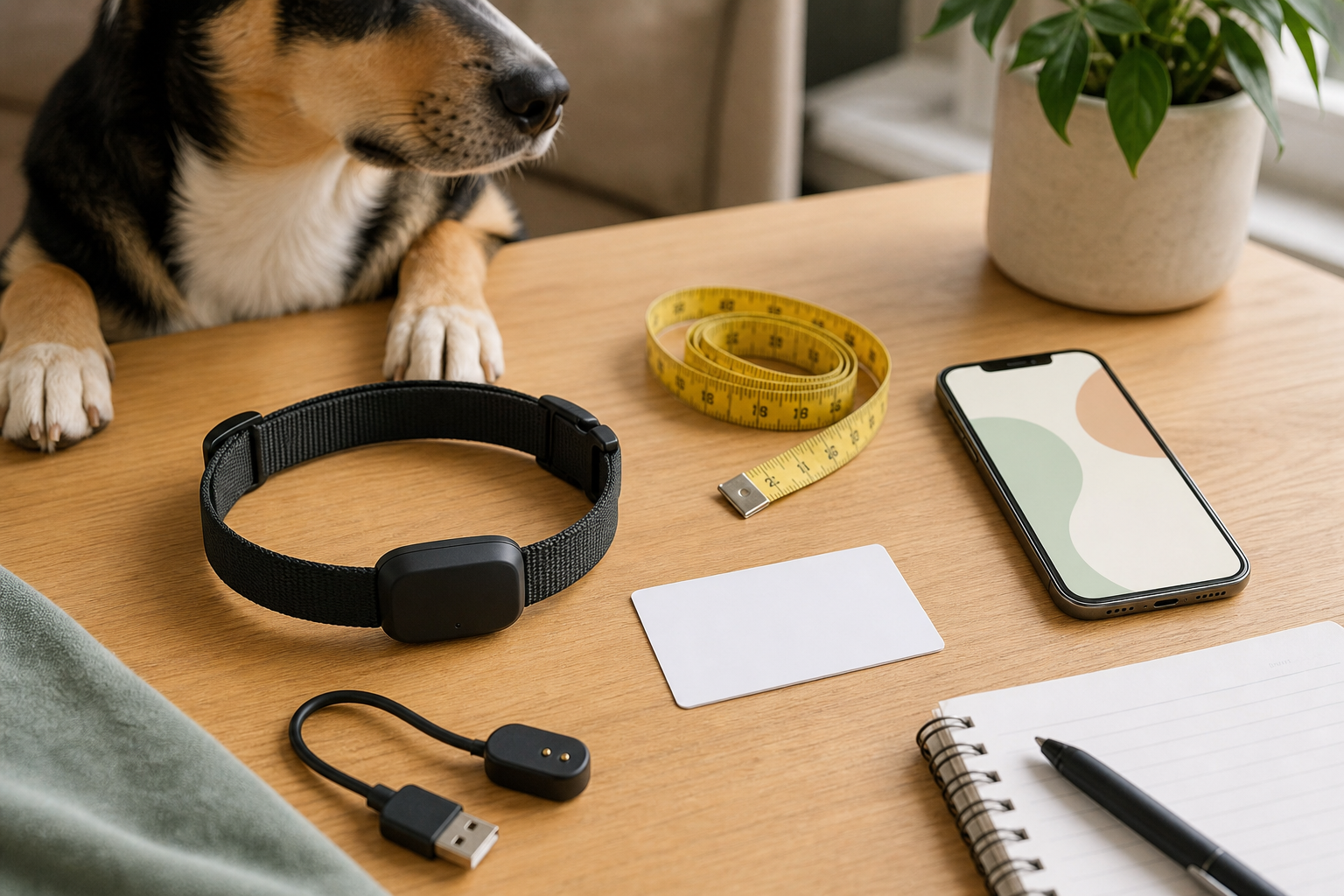
Privacy and data checks owners skip
A health collar may collect more sensitive information than a toy or basic feeder. It can record routines, location, sleep, activity patterns, health trends and sometimes household access through an app. Read the privacy policy before checkout, especially if the device connects by Wi-Fi, cellular service or cloud account.
Check whether the app supports two-factor authentication, whether you can delete your pet’s data, whether exported reports can be shared without giving a sitter full account access and whether the company explains what happens if the service shuts down. Also check support history. A great sensor is less useful if the app, firmware updates or customer support disappear after the return window.
Deal and coupon section: verify this before paying
Do not compare health collars by the first checkout total alone. Compare the full monitoring package: device cost, plan cost, warranty, return window, app requirements, replacement mounts, charger type, water resistance, battery runtime and whether one account can manage every pet in the home. If a coupon applies only to the device, the plan may still make the bundle more expensive than a simpler tracker.
Watch for “free trial” wording. Confirm when billing starts, whether the trial requires a card, how cancellation works and whether the collar has to be returned before the trial ends. If you are buying for a pet with a current medical concern, check delivery dates and return terms carefully. A delayed shipment or nonrefundable plan can turn a sensible monitoring idea into a poor checkout decision.
What to avoid
Avoid any listing that implies the collar can diagnose, treat or prevent disease without explaining limits. Avoid buying only because the app uses AI language. Avoid models that hide subscription terms, do not show sensor weight, give no clear water-resistance rating or rely on vague “vet approved” wording without useful documentation.
Also avoid using a health collar as a pet sitter substitute. If someone else is feeding, medicating or walking your pet, they still need written instructions and emergency contacts. An app notification is not a care plan, and a dead battery cannot check on a pet.
Quick answers
Is a pet health collar worth buying?
It can be worth buying if you want trend data and your veterinarian agrees the data will help. It is weaker as an impulse deal for a healthy pet if the subscription, battery routine or fit will annoy you after the first month.
Can a smart collar replace a vet visit?
No. A collar can collect patterns and send alerts, but it cannot examine your pet, diagnose a condition or decide treatment. Use the data as context for your veterinarian.
What is the first spec to check?
Check the exact metrics and the recurring cost. If the listing does not clearly say what is measured and what requires a paid plan, the advertised deal is incomplete.
Should cats and dogs use the same health collar?
Not automatically. Check species support, sensor size, collar fit, minimum weight, water resistance and whether the app separates dog and cat metrics instead of treating every pet the same way.
Sources
Sources last checked: September 13, 2026, 07:35 CEST, Europe/Rome.