

#dog dental care
#dog dental powder
#pet oral care
#VOHC
A dog dental powder deal can be worth considering, but only if the powder has a real oral-care claim, a clear daily dose and a cost-per-serving that still makes sense after the first tub. The mistake is treating a scoop-on-food supplement like a replacement for brushing or professional dental care. Before checkout, check the VOHC status, the ingredient list and whether your dog can safely use the formula you are buying.
Dental powders are showing up in more pet carts because they look easier than brushing and cleaner than chews. That convenience is exactly why the label matters. A powder that your dog refuses, a tub that lasts half as long as expected or a formula that makes a vague breath claim can turn a small discount into an expensive experiment.
Why This Matters Now
Pet owners are searching for lower-effort dental products while routine care costs stay high, and fresh veterinary dental-home-care guidance continues to point shoppers back to evidence and daily consistency. The Veterinary Oral Health Council says its seal is awarded after reviewing submitted data for plaque or tartar control when products are used as directed. The AVMA still says daily brushing is best, with several-times-a-week brushing helping when daily brushing is not realistic.
That makes dental powder a support product, not a shortcut. It may help some dogs as part of a home-care routine, but it should not be bought because a listing says “natural,” “vet recommended” or “fresh breath” without showing what the product is actually proven to do.
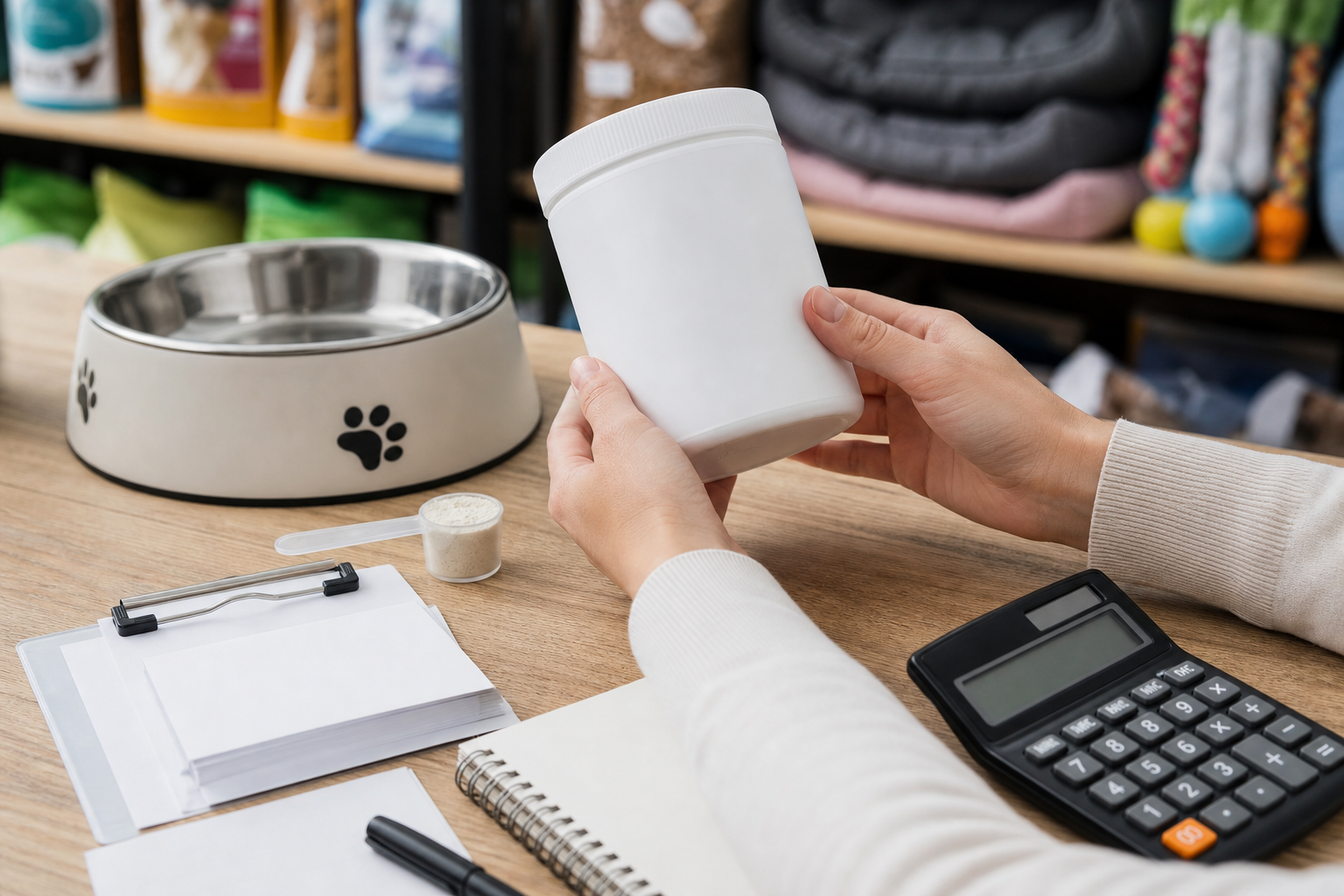
The VOHC Check Comes First
If the product claims to reduce plaque or tartar, look for a specific VOHC-accepted product name and claim. VOHC lists powder products for dogs and cats, including plaque and tartar claims for some ProDen PlaqueOff powder entries. That does not mean every seaweed powder, breath powder or dental supplement has the same support.
Be precise at checkout. Match the exact product, species and format against the VOHC accepted-products list. A brand may sell powders, bites, chews and gels, and the seal may apply to one version but not another. If a marketplace listing uses a certification-style image that is blurry, cropped or not tied to the exact SKU, check the source before paying.
Do The Scoop Math
The cheapest tub is not always the cheapest routine. Divide the total servings by your dog’s actual daily dose, not by the smallest dog dose printed on the front of the listing. Large dogs can move through powder much faster than small dogs, and multi-dog homes should calculate the monthly cost before treating the discount as a stock-up opportunity.
Check these details before checkout:
- Daily dose by weight range, including the dose for your dog’s current weight.
- Number of servings at that dose, not just package weight.
- Whether the scoop is included and whether one scoop equals one serving.
- Expiration date if you are buying a multi-pack.
- Return terms after opening, especially for flavor or refusal issues.
A powder that costs less upfront can still lose to toothpaste, wipes or chews if your dog needs a high dose or refuses meals with powder mixed in. Start with one container unless your dog already uses that exact formula reliably.
Read The Ingredient Line Like A Supplement
Many dental powders use seaweed, often Ascophyllum nodosum. Published research has studied this ingredient in oral-care products, and VOHC acceptance gives shoppers a useful evidence filter. Still, seaweed ingredients can contain iodine, so the label and your dog’s health context matter.
Ask your vet before using dental powders if your dog has thyroid disease, is on a restricted diet, has a medical condition, is pregnant, is a puppy or already receives iodine-containing supplements. This is not because every dental powder is unsafe. It is because adding a daily supplement without checking the rest of the diet can create a problem the product listing will not know about.
Deal And Coupon Checks
Dental powder discounts are safest when they reduce the cost of a product you have already verified. Before using a coupon, confirm that it applies to the right size and species, that Subscribe and Save or Autoship terms do not lock you into a refill schedule too quickly, and that the seller is authorized or at least clearly accountable for storage and returns.
Do not treat a bundle as a bargain if it includes products you will not use, such as flavored add-ons, chews your dog cannot tolerate or duplicate scoops. Also check whether the larger tub is genuinely cheaper per serving. Some smaller sizes cost less per day during promos because the discount only applies to the trial size.
What To Avoid
Avoid listings that promise to remove existing dental disease, replace professional cleanings or fix persistent bad breath without a vet exam. Bad breath can come from dental disease, diet issues or other health problems, and a powder should not delay care when something has changed.
Skip products with vague “pet safe” claims and no species directions. Dogs and cats do not always share the same safe dose or formula. Also avoid buying from listings that hide the full ingredient panel, show no lot or expiration details, or lean on a certification mark without naming the exact accepted product.
Better Ways To Compare Two Powders
Use a simple comparison instead of chasing the largest discount:
- Evidence: Is the exact product VOHC accepted for plaque, tartar or both?
- Fit: Is it labeled for dogs, and does the dose match your dog’s weight?
- Routine: Will your dog eat it daily without skipping meals?
- Cost: What is the monthly cost at the real dose?
- Backup: Can you still brush, use vet-recommended dental care or schedule cleanings as needed?
If one powder is cheaper but has no accepted claim, unclear dosing and no return path, the more expensive verified product may be the better deal. If neither product fits your dog’s health history or routine, save the money and ask your vet which home-care option is most practical.
Quick Answers
Can dog dental powder replace brushing?
No. AVMA guidance still points to brushing as the best home-care option when it is possible. Dental powders may support a routine, but they should not be treated as a full replacement for brushing or veterinary dental care.
Is VOHC acceptance required?
It is not legally required, but it is a strong shopping filter because VOHC reviews product data for plaque or tartar control claims. If a product makes dental-performance claims without VOHC acceptance, read the evidence more carefully.
Should cats and dogs use the same dental powder?
Only if the exact product label says it is appropriate for both species and the dose is clear for each pet. Do not guess across species.
When should I ask a vet first?
Ask before buying if your dog has thyroid disease, chronic illness, a special diet, medication conflicts, oral pain, bleeding gums, loose teeth or new bad breath. A shopping guide cannot diagnose those issues.
Sources
Sources last checked: September 13, 2026, 13:38 CEST, Europe/Rome.
- Veterinary Oral Health Council, Accepted Products
- American Veterinary Medical Association, Pet Dental Care
- PetMD, What Is VOHC?
- Frontiers in Veterinary Science, study on Ascophyllum nodosum edible treats and oral health in dogs
- DVM360 veterinary dental home-care coverage, checked as a current professional context source