
#cat weight
#dog weight
#pet tech
#pet weight tracking
#smart pet scale
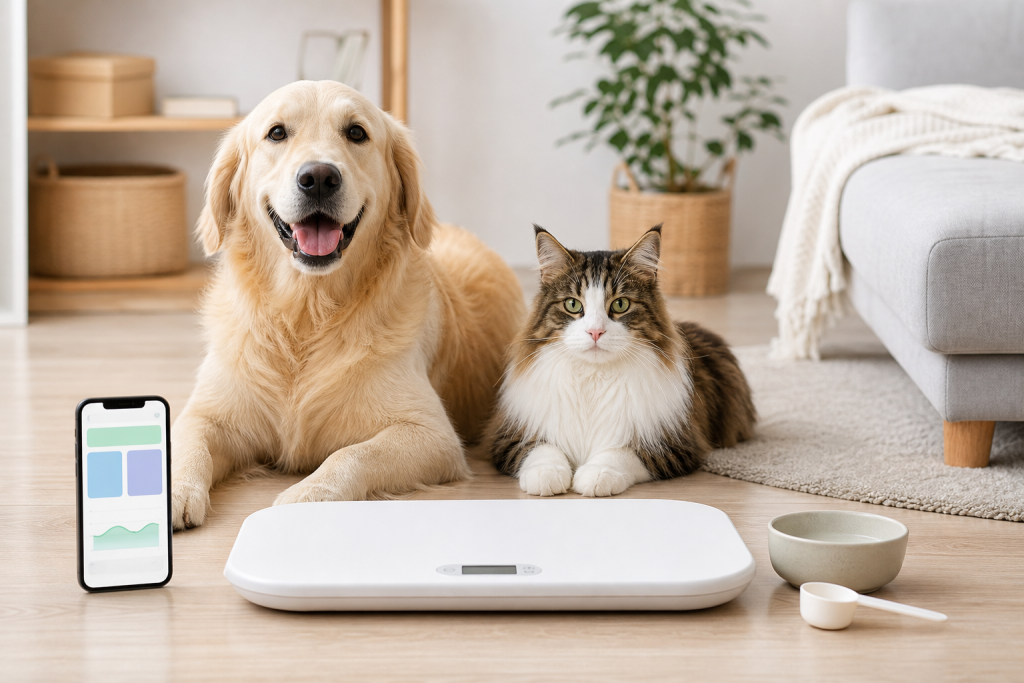
A smart pet scale is only a good deal if it gives repeatable weight trends, fits your pet’s real routine and keeps working after the app setup. The hidden mistake is treating the device like a tiny vet visit in a box. It can help you notice changes to discuss with your veterinarian, but it cannot diagnose weight problems, choose a diet or replace a body condition check.
That matters more in 2026 because pet weight tracking is moving from the clinic into the cart. Smart litter-box monitors, app-connected trackers and low-profile pet scales now promise graphs, alerts and “insights” for cats and dogs, while pet obesity groups are warning that many owners still struggle to reach and maintain a healthy body condition for their pets.
Why this deal looks better than it is
The pitch is easy to understand: buy a connected scale once, see your pet’s weight trend at home and catch small changes before they become expensive. That can be useful, especially for senior pets, cats that hide weight loss under fur, small dogs where a few ounces matter, or pets already on a veterinarian-guided weight plan.
The problem is that a discounted smart scale can fail in ordinary homes. A cat may step halfway on a litter-box scale. A nervous dog may refuse a raised platform. A multi-pet app may struggle when two cats are close in weight. A device may need a hard, level floor, a stable Wi-Fi connection, batteries, cloud access or a subscription before the feature you wanted actually works.
The weight number is not the whole health answer
A scale gives one useful data point. It does not tell you whether your pet has the right muscle condition, whether a food change is appropriate or whether weight loss is safe. FDA’s summary of AAHA nutritional assessment guidance notes that veterinarians use body condition and muscle condition scoring as part of routine nutritional assessment, not weight alone.
APOP’s pet obesity research also highlights why this is not a simple “buy the gadget and fix it” problem. Its survey data uses veterinary-assessed body condition scores, and its March 2026 survey release said many owner-reported weight-loss attempts fell short. That is a strong reason to use a smart scale as a logbook, not as the decision-maker.
Before you buy, check these details
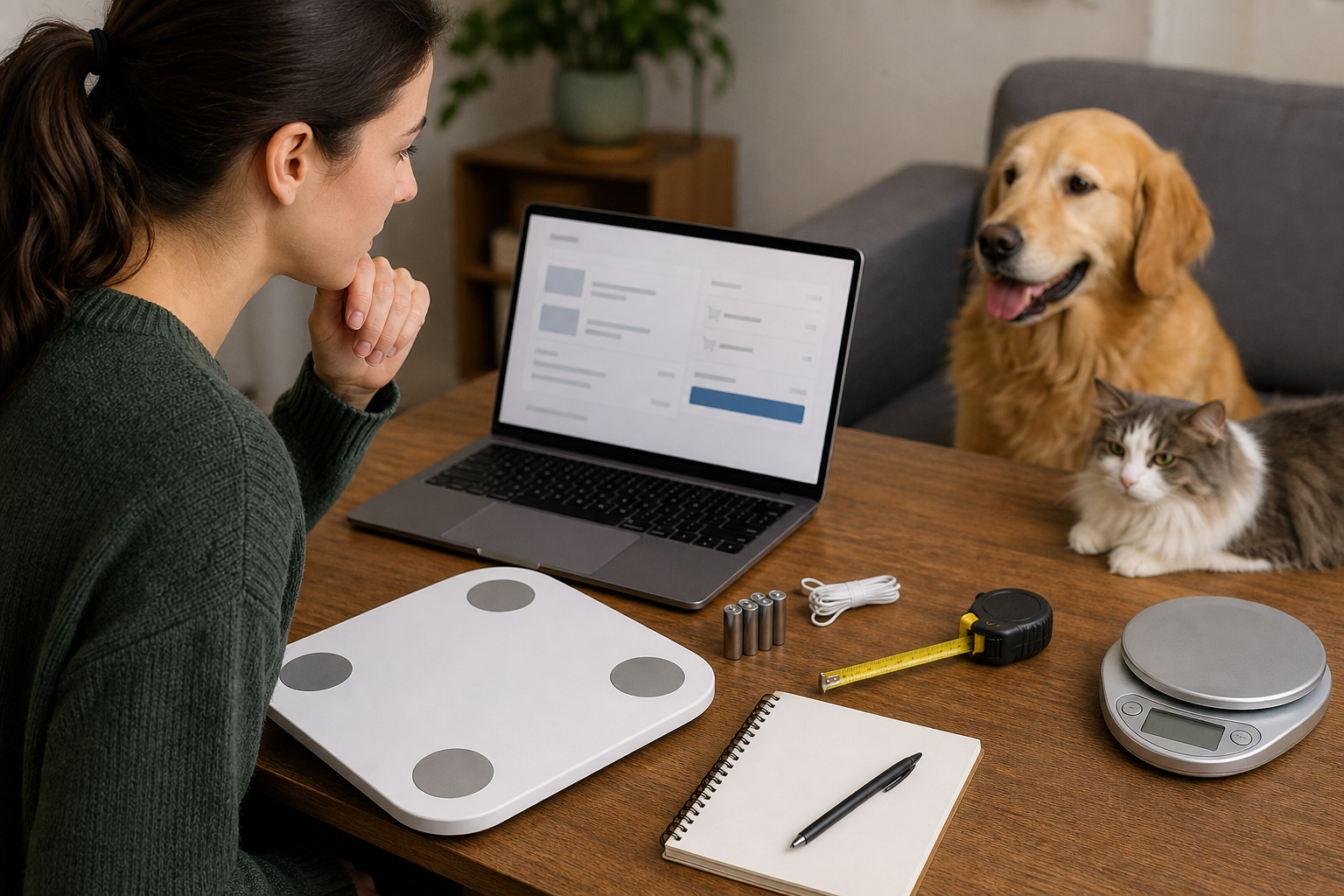
Platform size and behavior: Measure the surface your pet will actually stand on. A long dog, a large cat, a senior pet with stiff joints or a nervous animal may need a lower, wider, non-slip surface rather than the most connected model.
Repeatability: Look for clear setup rules. The scale should be used on a hard, level floor, and the app should explain how it handles partial steps, movement, litter-box base weight or multiple pets.
App support: The FTC warns that smart-device makers do not always make software-support timelines easy to find. Before paying extra for a connected pet scale, check whether the maker says how long it will update the app and what still works if cloud features stop.
Privacy: A smart pet scale may collect more than a weight number. It can connect pet profiles, routines, location through an account, purchase data or app notifications. Use a strong password, update the app and check whether the device needs remote access you do not actually want.
Data export: If you plan to show trends to your veterinarian, make sure you can export, screenshot or share the log in a readable way. A pretty graph that cannot show dates, units or individual readings is less useful than a simple spreadsheet.
Consumables and power: Check battery type, charging cable, replacement feet, trays, mats or accessories. If the device sits near litter, water bowls or food, cleaning instructions matter.
The deal and coupon checks that matter
Do not let a coupon decide the device. A 20 percent discount is weak if you discover after setup that the scale does not fit your pet, the app needs a paid plan or the return period closes before you can gather enough readings.
Before checkout, verify the final cart price, shipping charge, return window, restocking terms, subscription language and warranty start date. Chewy’s return policy currently says returns are accepted within 365 days with free return shipping, while Petco’s general return policy describes a 60-day window with different refund handling after 30 days. Retailer terms can change, so check the policy on the cart page and save the order confirmation.

What to avoid
Avoid any listing that suggests the scale can diagnose obesity, kidney disease, diabetes or another condition by itself. Weight trends can be useful signals, but a sudden gain or loss deserves a veterinarian’s interpretation, especially if your pet is eating less, drinking more, vomiting, hiding, limping or acting unlike normal.
Avoid buying a connected scale for a pet that is likely to chew cords, panic on platforms or avoid the litter box after a new device is placed underneath it. In those cases, a non-connected baby scale, a clinic weigh-in routine or a simpler food scale for measuring portions may be the better purchase.
Avoid vague app promises. “AI insights” and “health alerts” sound impressive, but the useful question is narrower: what does the device measure, how often, how accurately in your setup and what happens when the app misidentifies a pet?
When a smart pet scale is worth it
It is most useful when you already have a clear reason to track weight: a veterinarian-guided weight plan, a senior cat that is hard to weigh, a small dog where small changes matter, a multi-cat household where one pet is quietly gaining, or a pet whose medication or diet plan requires consistent records.
It is less useful when the household will not check the app, cannot place the device correctly or only wants a one-time number. In that case, spend less on a reliable manual scale and put the savings toward better food measuring, a vet visit or gear your pet will actually use.
Quick answers
Can a smart pet scale tell if my pet is overweight?
Not by itself. It can record weight, but your veterinarian can combine weight with body condition, muscle condition, diet history and your pet’s health status.
Is a connected scale better than a normal scale?
Only if the app makes trends easier to track and the device is reliable in your home. A normal scale plus a consistent written log can be enough for many pets.
Should I buy one on sale?
Only after checking fit, return terms, app support, privacy settings and whether any subscription is needed. A sale is useful only if the device solves your actual tracking problem.
What should I show my vet?
Bring dated readings, the food amount you measure each day, treat estimates and any appetite, activity or bathroom changes. Do not change a weight-loss plan without veterinary guidance.
Sources
Last checked: 2026-06-03 04:34 CEST, Europe/Rome.
- Association for Pet Obesity Prevention, Pet Obesity Surveys and Data.
- Association for Pet Obesity Prevention, 2025 Pet Obesity and Nutrition Survey results release, March 2026.
- U.S. Food and Drug Administration, Helping Pets Live Healthier, Thinner Lives: AAHA Nutritional Assessment Guidelines.
- Federal Trade Commission Consumer Advice, How long will your smart device get software updates?.
- Federal Trade Commission Consumer Advice, Securing Your Internet-Connected Devices at Home.
- Chewy, Return Policy.
- Petco, Return Policy.