
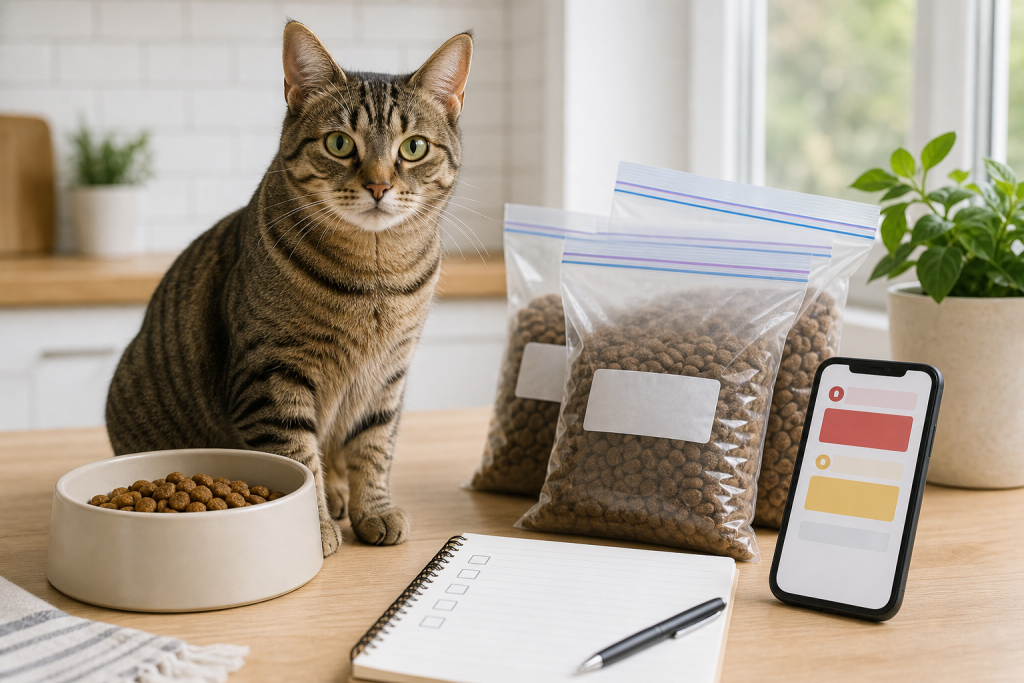
#cat food deals
#cat grooming
#cat hairballs
#hairball control cat food
A hairball-control cat food deal is only useful if it solves the right problem: swallowed loose fur, not repeated vomiting or an undiagnosed health issue. Before you buy a big bag, case of cans or remedy bundle, check whether your cat actually needs a fiber-focused formula, whether the food is complete and balanced for daily feeding, and whether frequent hairballs mean it is time to ask your vet.
That matters now because summer shedding, Prime Day-style pet deals and autoship discounts can push cat owners toward bulk hairball products. A low price can still waste money if your cat refuses the texture, the product is a treat rather than a full diet, or you end up buying remedies when daily brushing would remove more loose hair before it is swallowed.
Why Hairball Deals Get Misread
Hairballs start with normal grooming. Cornell Feline Health Center explains that cats swallow loose dead hair while grooming, and most of that hair should pass through the digestive tract. Problems start when more hair collects in the stomach and comes back up, or when owners assume every gagging, coughing or vomiting episode is just a hairball.
That is where shopping gets expensive. Hairball-control dry food, wet food, treats, gels, pastes and supplements are sold as easy fixes, but they are not interchangeable. Some are daily foods, some are occasional treats, and some are lubricant-style remedies. The cheapest checkout total does not tell you whether the product fits your cat’s diet, age, hydration needs, grooming routine or veterinary history.
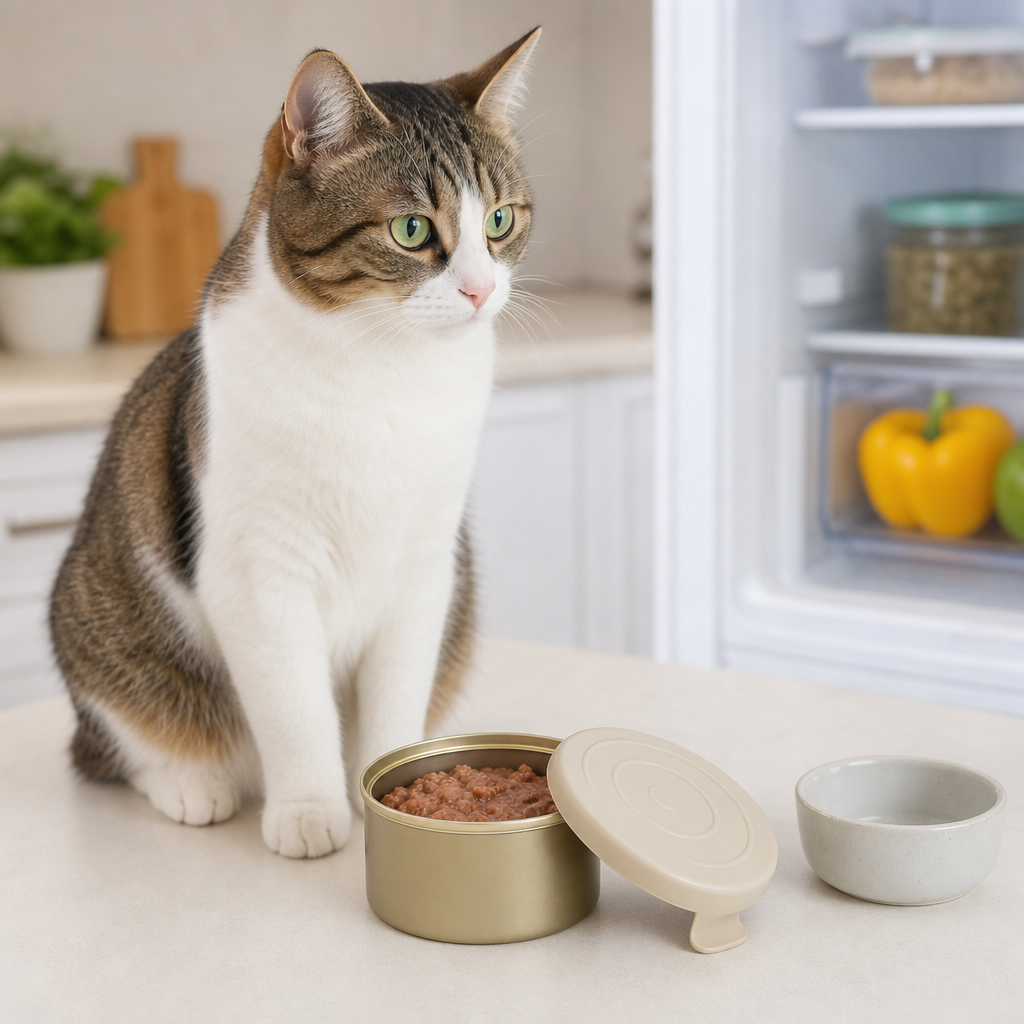
What to Check Before Buying Hairball-Control Cat Food
Start with the label. If you want the product to replace your cat’s regular meals, look for a nutritional adequacy statement that says it is complete and balanced for your cat’s life stage. FDA guidance says foods with that statement are intended to be fed as a sole diet, while treats, snacks and supplements often are not.
Next, compare the feeding amount and the real cost per day. A discounted bag can cost more than expected if the recommended serving is larger than your current food, if you need to mix it slowly over a week or more, or if your cat eats both wet and dry food and you now have two products to manage.
Also check the fiber source and texture. Many hairball-control foods rely on added fiber to help move swallowed hair through the gut. That can be useful for some cats, but it is not a magic feature. A cat that dislikes the kibble size, rejects a new wet texture or already has sensitive digestion may leave the “deal” sitting in the pantry.
The Bulk-Buy Mistake
Do not make the first purchase a giant case, multi-bag bundle or long autoship schedule. Buy the smallest practical size first, then watch acceptance, stool quality and vomiting frequency. If your cat refuses the food after a few meals, a bigger discount just becomes a bigger leftover pile.
This is especially important for cats that already eat prescription food, therapeutic urinary food, kidney diets, allergy diets or veterinary weight-loss plans. Do not swap those diets for an over-the-counter hairball formula without your veterinarian’s input. A hairball claim on the front of the bag does not override a medical diet plan.
Food, Treat, Gel or Brush?
A hairball-control food makes the most sense when your cat will eat it consistently and you want a diet-based approach. A treat may be easier to trial, but it should not become a major calorie source. A gel or paste may be marketed for hairballs, but the ingredients, dosing directions and your cat’s health history matter.
Daily grooming can be the better deal. Cornell notes that cats get hairballs more often during shedding seasons and recommends combing to reduce loose hair. For many cats, a tolerable brush and a short routine remove fur before it ever reaches the stomach.

Deal and Coupon Checks Before You Pay
Before using a coupon or autoship discount, check four things in the cart. First, confirm whether the discount applies only to the first order. Second, compare the recurring price with your current food, not just the sale price. Third, check whether opened food, remedies or supplements can be returned. Fourth, save the product lot number and best-by date in case a recall or quality issue comes up later.
If the product is on a marketplace, verify the seller. Cat food, supplements and gels should come from a reliable retailer or the brand’s official storefront. Avoid listings with vague labels, unclear directions, missing ingredient panels or imported products that do not show basic feeding and safety information in clear English.
What to Avoid
Avoid any product that promises to diagnose, cure or prevent a disease. Hairballs are common, but repeated vomiting is not something to shop around forever. Cornell warns that frequent hairballs can be linked with excessive grooming, allergy-related skin problems or other issues that need veterinary attention.
Also avoid making several changes at once. If you buy new food, a new supplement and a new grooming tool on the same day, you will not know which change helped or caused a problem. Introduce one change at a time and keep notes on appetite, vomiting, stool and grooming behavior.
When to Ask Your Vet Before Buying More
Ask your veterinarian before buying another hairball product if your cat vomits often, keeps retching without bringing anything up, stops eating, loses weight, seems constipated, has diarrhea, overgrooms, develops bald patches or acts painful or withdrawn. Those signs can point beyond ordinary seasonal shedding.
This article is shopping guidance, not a diagnosis. A vet can help separate ordinary hairballs from coughing, regurgitation, digestive disease, skin disease, parasites, stress grooming or a possible obstruction.
FAQ
Is hairball-control cat food worth it?
It can be worth trying if your cat has occasional hairballs, accepts the food and the label fits their life stage. It is not a substitute for veterinary care if vomiting is frequent or worsening.
Should I buy dry or wet hairball-control food?
Choose based on your cat’s current diet, hydration habits, texture preference and veterinary advice. Wet food may help some cats with moisture intake, while dry formulas may be easier to measure and store.
Can I use hairball treats instead of changing food?
Maybe, but check calories and directions. Treats should stay a small part of the daily diet and should not replace a complete and balanced meal plan.
What is the cheapest first step?
For many cats, a better brushing routine is the cheapest first step. If loose hair is removed before grooming, less hair is swallowed.
Sources
- Cornell Feline Health Center, “A Hairy Dilemma”, accessed June 25, 2026.
- Cornell Feline Health Center, “The Danger of Hairballs”, accessed June 25, 2026.
- FDA, “Complete and Balanced Pet Food”, accessed June 25, 2026.
- FDA, “Proper Storage of Pet Food & Treats”, accessed June 25, 2026.
- NIH/PubMed Central, “Hair Balls in Cats: A normal nuisance or a sign that something is wrong?”, accessed June 25, 2026.
- NIH/PubMed Central, study on dietary fibre levels and faecal hair excretion in long-haired cats, accessed June 25, 2026.
Last checked: June 25, 2026, 22:34 Europe/Rome.