
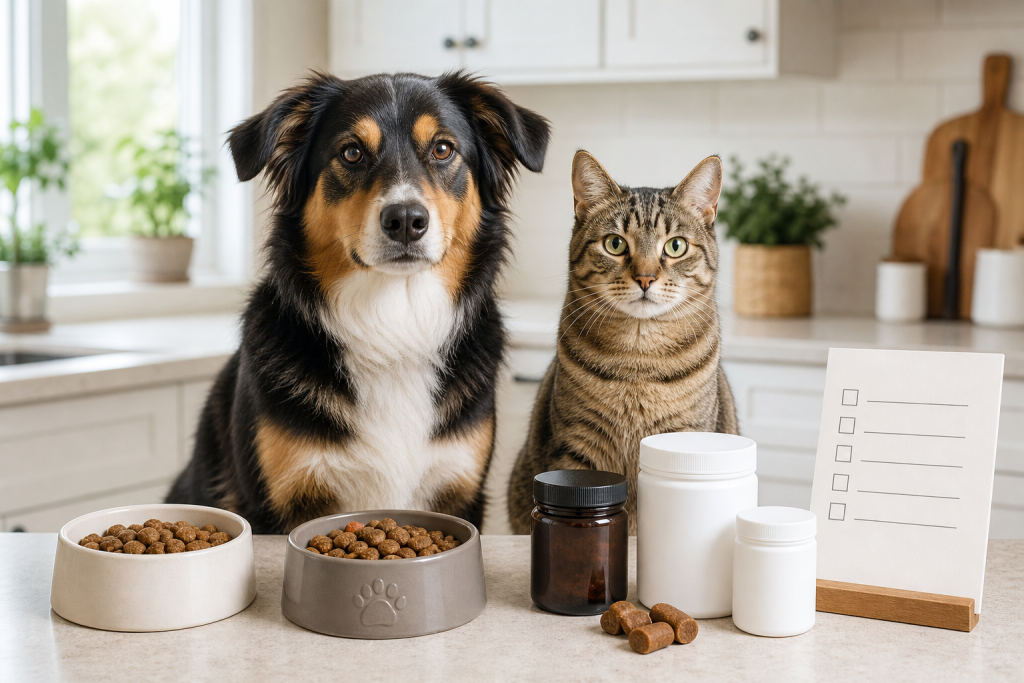
#cat vitamins
#complete and balanced pet food
#dog vitamins
#pet multivitamins
#pet supplements
A pet multivitamin deal can be a waste, or even the wrong purchase, if your dog or cat already eats a complete and balanced food. The key is not whether the bottle looks healthy, but whether your pet has a real nutrition gap, a vet recommendation, and a safe dose for their size and diet. Before you add a discounted chew to the cart, check the label, the daily serving cost, and the claim it is making.
Multivitamins are easy to impulse-buy during pet sales because they feel like a small upgrade. June pet deal pages and Prime Day-style shopping lists are full of chews, powders and liquids promising skin, coat, immune, hip, gut or senior support. That does not make every product useless, but it does mean shoppers need to separate ordinary nutrition from disease-style claims and subscription math.
Why this matters now
Pet supplements are a growing category, and market forecasts continue to point to higher spending on vitamins, joint formulas, calming chews and other add-ons. At the same time, many dogs and cats already get vitamins and minerals through their normal food if that food is labeled complete and balanced for the right life stage.
The FDA explains that animal products are regulated based on what they are and what they claim to do. A product marketed for nutrition is treated differently from one intended to diagnose, cure, mitigate, treat or prevent disease. AAFCO’s consumer guidance is even more direct for shoppers: healthy dogs and cats eating a complete and balanced diet generally do not need extra nutritional supplements unless there is a specific reason.
The label check to do before checkout
Start with your pet’s main food, not the supplement bottle. Look for the nutritional adequacy statement on the food label, then confirm it matches your pet’s species and life stage. A puppy, kitten, adult indoor cat, senior dog or large-breed puppy may have different needs, so a supplement cannot fix a mismatched base diet.
Next, read the supplement’s directions as if you were calculating the real price. A bottle that looks cheap may require two, four or six chews per day for a larger dog. Divide the price by the number of days your pet would actually receive at the labeled serving. If there is an Autoship discount, compare the first-order price with the ongoing refill price.
Then look for the claim. Broad nutrition language is different from promising to treat arthritis, urinary disease, anxiety, skin infection or another health condition. If the product sounds like it is replacing a diagnosis or prescription plan, pause and ask your veterinarian before buying. That is especially important if your pet is pregnant, very young, senior, on medication or already eating a therapeutic diet.
When a multivitamin may make sense
A multivitamin is most defensible when it solves a defined problem under professional guidance. Examples include a homemade diet that needs a correctly measured vitamin and mineral mix, a veterinary recommendation after a diet review, or a pet transitioning from an incomplete feeding routine. The common thread is that the supplement is matched to the whole diet, not bought because the label sounds comforting.
Supplements can also be used as part of a plan for pets with specific needs, but that is where owners should be most careful. Joint support, urinary support, skin support and calming formulas are not all simple multivitamins. Some ingredients may overlap with medication, add calories, affect digestion or make the owner delay care that should start with a veterinary exam.
The deal and coupon math
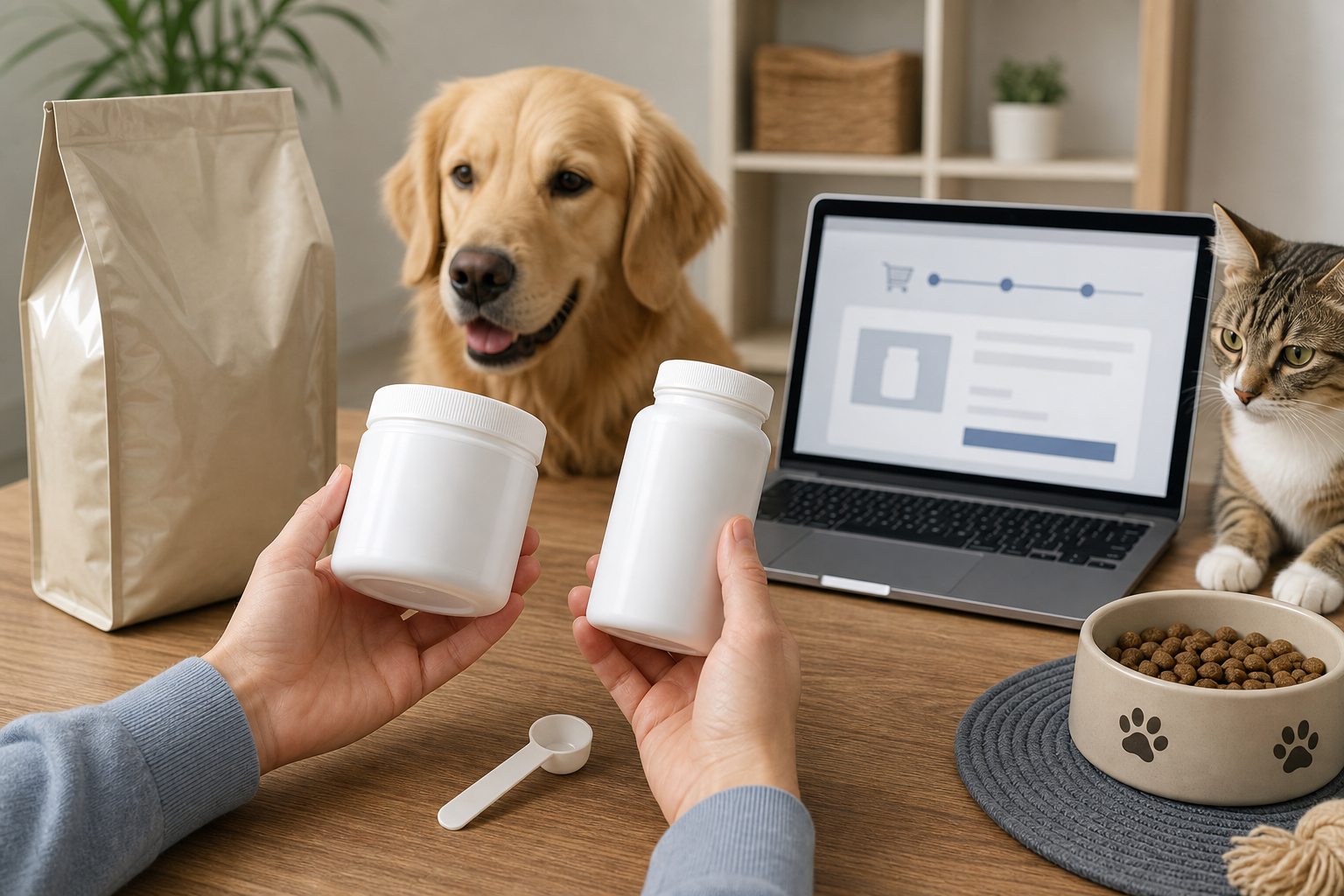
For deal shoppers, the biggest trap is judging only the bottle price. Calculate the cost per day at your pet’s weight. Check whether the product is for dogs, cats or both, because ingredients and serving directions can differ. If you have multiple pets, do not assume one jar can be shared safely across species or sizes.
Also check the return policy before opening a supplement. Food, treats and health-related products may have different return rules depending on the retailer and seller. Marketplace listings deserve extra care: verify the seller, expiration date, tamper seal, lot number and whether the brand lists that marketplace as an authorized channel.
Autoship can help if your vet wants your pet on the product long term, but it can waste money if you are only testing tolerance. Start with the smallest practical size unless your veterinarian has already recommended the formula and dose. A large discounted tub is not a deal if your pet refuses it, develops digestive upset or no longer needs it after a diet change.
What to avoid
Avoid stacking several vitamin products at once unless your veterinarian specifically approves the combination. AAFCO notes that supplementing a complete and balanced diet can risk exceeding upper limits for certain nutrients. Vitamin D is one example where the gap between enough and too much can be narrow, particularly for dogs.
Skip products that hide serving size, make dramatic medical promises, or use vague phrases without telling you the actual active ingredients per chew, scoop or milliliter. Be cautious with human supplements, too. Products made for people can contain sweeteners, strengths or ingredient combinations that are not appropriate for pets.
A practical buying checklist
- Confirm your pet’s main food is complete and balanced for the right species and life stage.
- Ask your veterinarian before adding vitamins to a homemade, therapeutic, puppy, kitten, pregnant, senior or medication-sensitive diet.
- Calculate cost per day using the serving size for your pet’s actual weight.
- Check the claim: nutrition support is not the same as treating a disease.
- Look for lot number, expiration date, tamper seal and seller reliability.
- Start small if you are testing taste or tolerance.
- Do not stack multivitamins, fortified toppers and separate mineral products without guidance.
FAQ
Does every dog or cat need a multivitamin?
No. If a healthy dog or cat eats a complete and balanced diet appropriate for their life stage, extra vitamins are usually not necessary unless a veterinarian identifies a reason.
Are pet supplements regulated like human dietary supplements?
No. FDA says the human dietary supplement framework does not apply to products for animals. Depending on composition and claims, animal products may be treated as food for animals or as animal drugs.
Is a bigger bottle usually the better deal?
Only if the product is right for your pet, the dose is clear, the expiration date leaves enough time, and you already know your pet will eat it. Otherwise, a smaller bottle is often the smarter test purchase.
Sources
Sources last checked June 25, 2026, 19:35 Europe/Rome.
- FDA, FDA’s Regulation of Pet Food.
- FDA, “Complete and Balanced” Pet Food.
- AAFCO, Reading Labels.
- AAFCO, Supplements.
- Fortune Business Insights, Pet Supplements Market Size, Share, Growth and Trends.