
#dog food deals
#fresh dog food
#human-grade dog food
#pet food labels
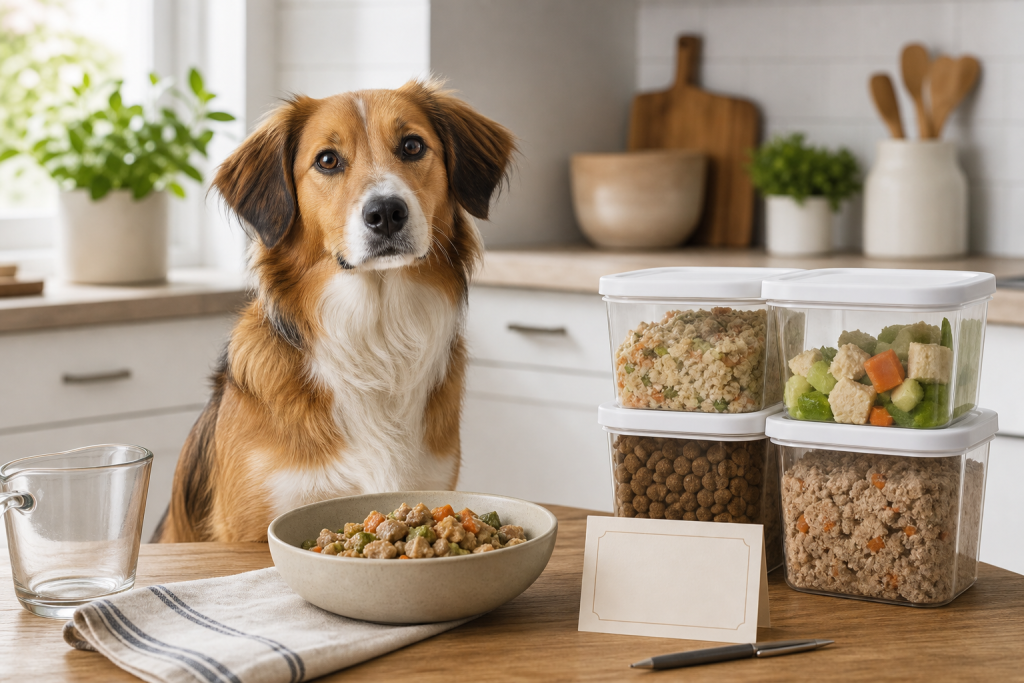
A human-grade dog food deal can mislead if you treat the front-of-pack phrase as proof that the food is automatically better for your dog, cheaper per meal or complete for everyday feeding. The phrase has a specific label meaning, but it does not replace the nutritional adequacy statement, storage rules, serving cost or your dog’s individual needs. Before a sale badge wins, check whether the product is complete and balanced for your dog’s life stage and whether the real weekly cost still makes sense.
That matters right now because sale events are pushing premium dog food, fresh meals and gently cooked options into the same carts as ordinary kibble. Amazon says Prime Day 2026 runs June 23 through June 26, and fresh pet food remains a high-growth premium category. A discount can be useful, but only if it does not hide a smaller pack size, a freezer problem, a recurring delivery, or a label claim you have not verified.
What “human-grade” should mean
AAFCO’s human-grade standard says the claim applies to the product as a whole, not just to one attractive ingredient. In plain shopping terms, a bag or tray should not imply “human-grade ingredients” unless the finished pet food meets the human-grade requirements as a product. AAFCO also says the term should be tied to the intended use, such as human-grade dog food.
That is not the same as saying the food is the right choice for every dog. FDA explains that pet food must be safe, made under sanitary conditions, free of harmful substances and truthfully labeled. FDA also says questions about a pet’s health or the use of a specific pet food should go to the pet’s veterinarian. Use the human-grade claim as one label checkpoint, not as a shortcut around the rest of the label.
The label line that matters more than the buzzword
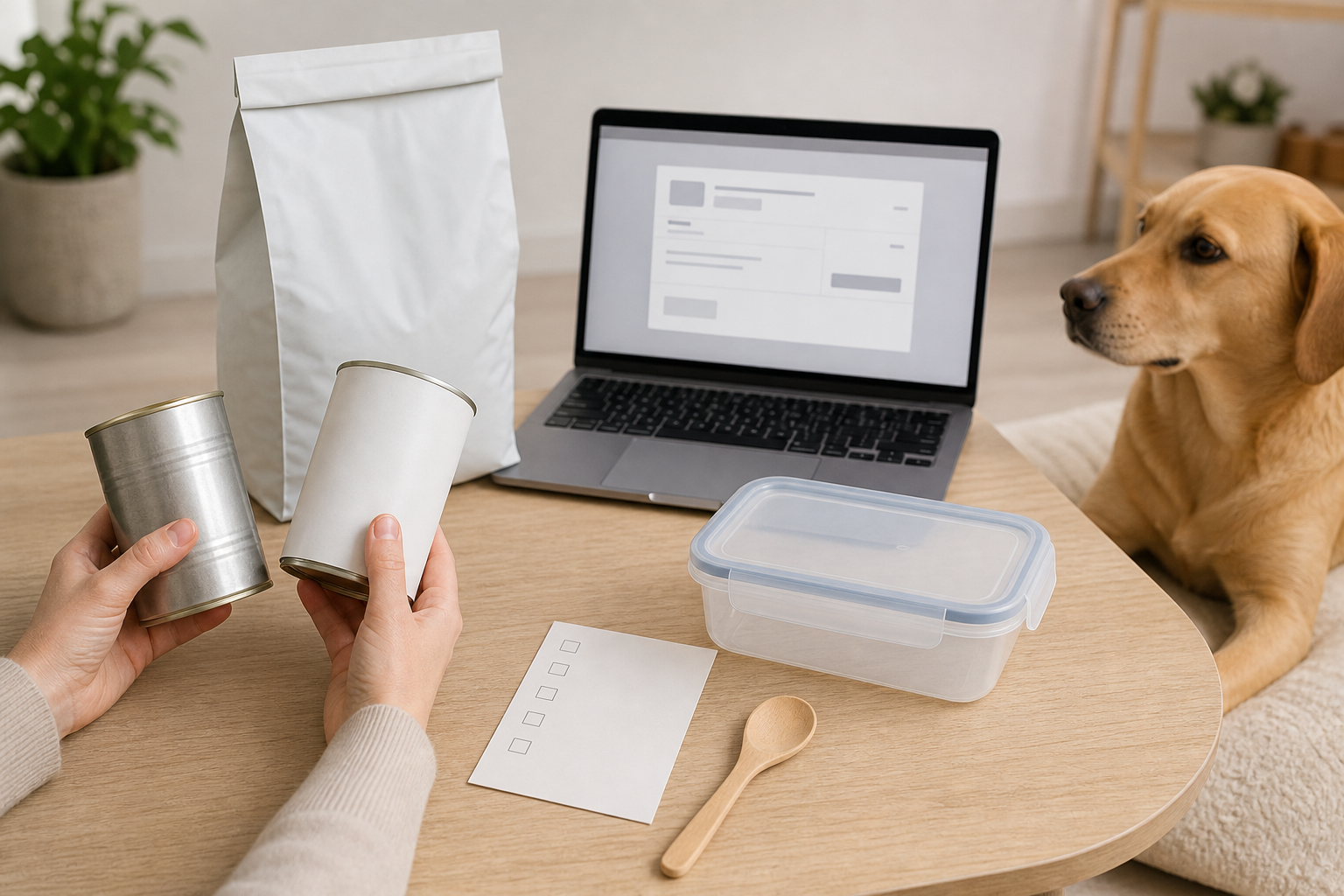
For everyday feeding, look for the nutritional adequacy statement. FDA says a food with “complete and balanced” in that statement is intended to be fed as a pet’s sole diet and should be nutritionally balanced. FDA also notes that treats, snacks and supplements are often not complete and balanced.
AAFCO describes the nutritional adequacy statement as the key to matching a product to a pet’s needs. It should tell you whether the food is for adult maintenance, growth, gestation/lactation or all life stages. If a discounted fresh or human-grade item is only for intermittent or supplemental feeding, it is not a full replacement for your dog’s regular diet.
Before you buy, do the real cost check
Premium dog food can look more affordable during a sale because the first pack, trial box or multipack gets the attention. The cost that matters is the cost to feed your dog at the label’s daily amount, not the headline package price.
- Check the net weight and number of servings, especially on trial packs.
- Compare the feeding amount for your dog’s weight, age and activity level.
- Look for whether the deal starts an autoship or subscription order.
- Check shipping, cold-pack fees, minimum order thresholds and delivery windows.
- Confirm whether unopened and opened food are returnable.
- Make sure you have refrigerator or freezer space before buying a large bundle.
- Check the use-by date if the item is refrigerated, frozen or sold in bulk.
If the sale only makes sense when you overbuy, it may not be a deal. Fresh and gently cooked foods can be harder to store than dry food, and wasted portions erase the discount quickly.
When a coupon is useful and when it is not
A coupon can make a first purchase easier to test, especially if your dog is picky. It is less useful if it pushes you into a large order before you know whether your dog accepts the food, whether the texture works in your routine, or whether the next shipment costs much more.
Before paying, verify the cart price, seller, shipping speed, subscription setting and cancellation steps. Do not assume a coupon covers every flavor, size, bundle or repeat order. If the product is sold through a marketplace, check who ships it and who handles problems with damaged, thawed or short-dated food.
What to avoid
Avoid any product page that treats human-grade wording as a medical promise. Also avoid switching your dog’s main food only because it is on sale. If your dog has a medical condition, allergies, digestive problems, weight concerns, or needs a prescription diet, ask your veterinarian before changing foods.
Be careful with vague claims such as “restaurant quality,” “real food” or “people food inspired” if the page does not show the nutritional adequacy statement. Those phrases may sound comforting, but they do not tell you whether the food is complete for your dog’s life stage.
Quick answers
Does human-grade mean complete and balanced?
No. Human-grade is a label claim about how the product and ingredients meet human food handling and processing expectations. Complete and balanced is a separate nutritional adequacy issue.
Is fresh dog food always better than kibble?
Not automatically. Fresh food may fit some households, but the useful comparison is nutrition, life-stage fit, storage, serving cost, your dog’s tolerance and your veterinarian’s guidance.
Should I buy a big human-grade dog food bundle on sale?
Only after checking acceptance, storage space, use-by dates, return terms and the ongoing cost after the first discount. A trial-size order is often the safer first purchase.
Sources
Sources last checked June 26, 2026, 01:38 Europe/Rome.