

#flea and tick
#flea comb
#flea control
#pet grooming
A cheap manual flea comb can be worth buying, but only if you treat it as a checking tool, not a complete flea plan. The mistake is assuming fine metal teeth can replace the right prevention, home cleanup or veterinary advice. Buy the comb for inspection, early spotting and careful grooming, then check the product label and your vet’s guidance before you spend more on flea products.
This matters now because flea and tick shopping is still active in warm-weather months, and owners are seeing more debate around routine parasite products, environmental impact and safer use. A comb looks simple next to collars, topicals, chews and electric gadgets, but the wrong one can snag fur, miss flea dirt, break quickly or make you delay a real infestation plan.
Why The Cheap Comb Looks So Convincing
A manual flea comb is one of the least complicated flea-shopping purchases. It has no battery, app, refill cartridge or subscription. It can help you look for fleas, flea dirt and coat debris, especially around the neck, tail base, belly and other spots where parasites or their evidence may show up.
That simplicity is also why the deal gets oversold. A comb does not protect your pet from the next flea that jumps on. It does not treat your home. It does not tell you which flea and tick product is safe for your dog’s or cat’s age, weight, species, health history or medication list. The ASPCA says owners can use a flea comb and wash bedding as part of flea-season preparation, but it also points owners back to veterinary consultation for choosing treatment products.
What To Check Before You Buy
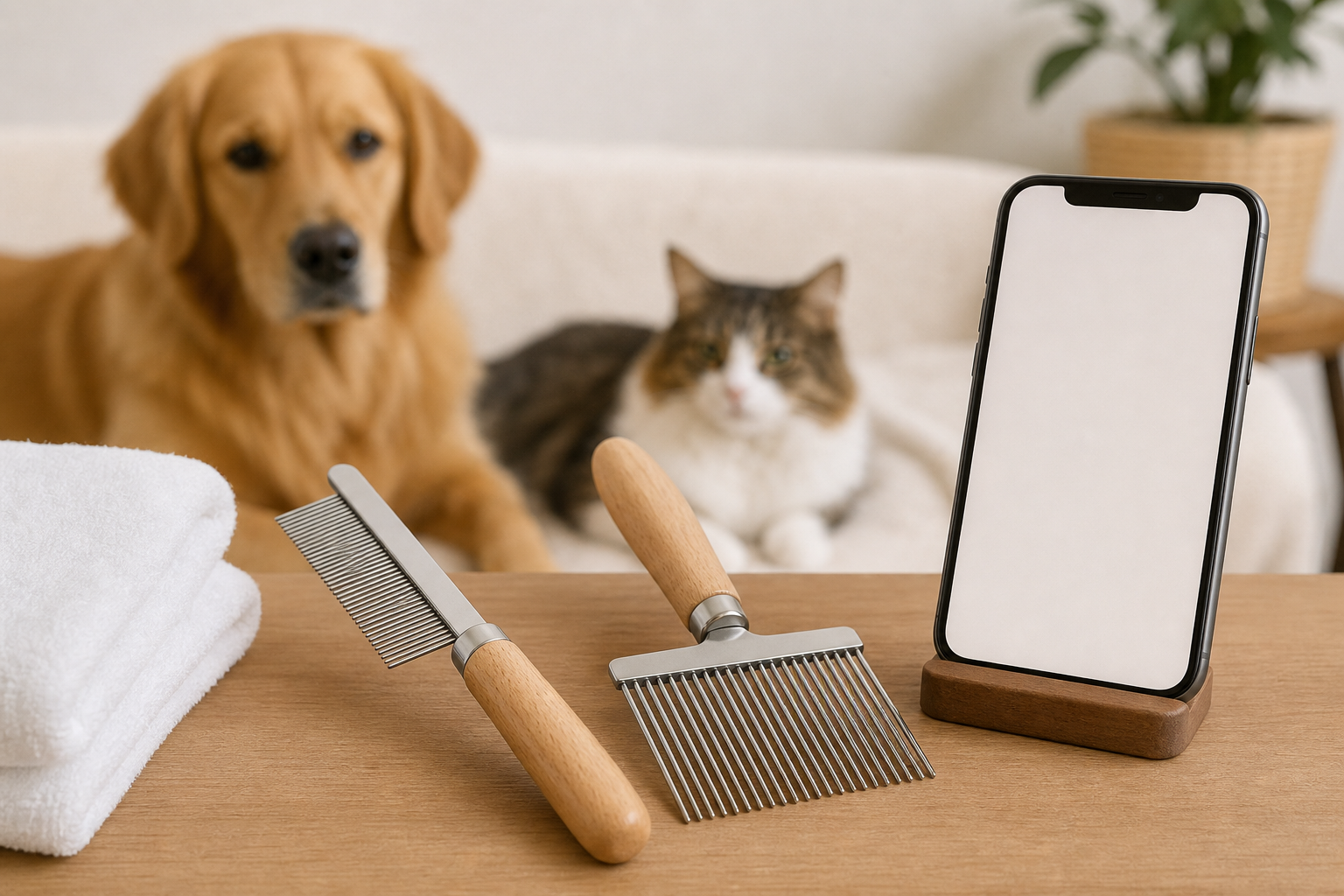
Start with the teeth. A flea comb should have closely spaced, smooth metal teeth that can catch small debris without scraping the skin. If the teeth look uneven, sharp, bent or loosely set into the handle, the bargain may turn into a frustrating grooming session.
Match the comb to your pet’s coat. Short-coated pets may be easy to check with a small fine-tooth comb. Thick-coated dogs, long-haired cats and pets with mats may need a normal grooming comb or brush first, because forcing a tight flea comb through tangles can pull hair and irritate skin. A comb that works on a short-haired dog may not be the right first tool for a dense-coated cat.
Check the handle and cleaning design. A tiny comb can be useful around the face or ears, but it can be tiring on a large dog. A larger handle gives more control, and a simple metal-tooth design is easier to wipe clean than a gimmicky comb with trapped seams.
Also check whether the listing is for a manual comb or an electric flea comb. Powered combs create a different buying decision because they add battery, charging, noise and safety questions. If all you need is a basic inspection tool, do not pay more for a gadget just because the product page sounds more advanced.
How To Use It As A Checkout Reality Check
The strongest reason to own a manual flea comb is not that it solves everything. It can help you decide whether a flea-product deal deserves a pause. If you comb and find live fleas, dark specks that smear reddish-brown on a damp white towel, or repeated scratching and skin irritation, that is a signal to ask your vet what to use and how to treat the home environment.
Chewy’s flea-detection guidance describes the damp white towel check for flea dirt, and the AKC notes that dealing with fleas usually involves the pet and the home, not just a single purchase. That is the shopping point: do not respond to one suspicious combing session by panic-buying a random multi-pack treatment, fogger or dog-only product.
For cats, this boundary matters even more. The FDA and AVMA both warn owners not to use dog flea products on cats, and AVMA notes that some dog products, including those with permethrin, can be toxic to cats. A comb can help you notice a problem. It should not push you into guessing at a chemical product.
Deal And Coupon Checks Before Paying
For a manual comb, the price is usually low enough that shipping and bundle quality matter more than the headline discount. Check whether the deal is really for one comb, a multi-pack, a grooming kit or a seller bundle with filler items you do not need.
If you are adding the comb to a larger flea cart, verify the whole order before paying. Confirm species, weight band, life stage, active ingredient, seller identity, expiration or lot details when visible, Autoship terms, return limits and whether the item is a pesticide, medication, grooming tool or home treatment. Do not assume a coupon applies to flea and tick products, pharmacy items, third-party sellers or subscriptions unless the cart says so clearly.
A comb also pairs better with boring supplies than with risky impulse buys. A washable towel, a normal grooming comb, a laundry plan for bedding and a vacuum routine may be more useful than a random add-on spray with vague claims. If a listing promises that a comb alone will end your flea problem, treat that as marketing, not a plan.
What To Avoid
Avoid combs that show rough teeth, unclear materials, fake before-and-after claims or unrealistic promises about killing fleas. A manual comb removes what it catches. It is not a residual preventive.
Avoid using a fine-tooth comb over sore, broken or badly irritated skin without veterinary guidance. Do not keep combing a pet that is panicking, snapping, hiding or becoming increasingly distressed. The tool is supposed to help you inspect and groom, not turn a flea check into a fight.
Avoid delaying treatment if the evidence is clear. AKC guidance says flea control can take patience because the home environment and flea life stages matter. If you find fleas on one pet, check all pets in the household and ask your vet how to proceed, especially if you have kittens, puppies, senior pets, pregnant pets or animals with medical conditions.
Quick Answers
Is a flea comb enough for dogs or cats?
Usually no. It can help you find fleas or flea dirt and remove some debris, but it does not provide ongoing prevention or treat the home.
Should I buy a manual or electric flea comb?
Choose a manual comb if you want a simple inspection and grooming tool. Consider an electric comb only after checking battery, noise, cleaning and safety details, and do not assume it replaces a vet-approved flea plan.
Can the same comb work for dogs and cats?
Often, but coat type and pet tolerance matter. Clean the comb between pets, and do not use any flea medication across species unless the product label and your vet say it is appropriate.
What is the biggest buying mistake?
Buying the comb as a cheap substitute for prevention or treatment. It is better used as a low-cost way to inspect, confirm whether something is going on and make a more careful next purchase.
Sources
Last checked: August 5, 2026, 10:38 CEST, Europe/Rome.
- ASPCA, Your Guide to Preparing for Flea and Tick Season.
- FDA, Safe Use of Flea and Tick Products in Pets.
- FDA, Fact Sheet for Pet Owners and Veterinarians about Potential Adverse Events Associated with Isoxazoline Flea and Tick Products.
- AVMA, Safe use of flea and tick preventive products.
- AVMA, External parasites.
- AKC, How to Get Rid of Dog Fleas and What Is Your State’s Flea and Tick Season?.
- Chewy, How To Detect Fleas and Avoid a Flea Infestation.