
#guinea pig hay
#hay storage
#rabbit hay
#small pet supplies
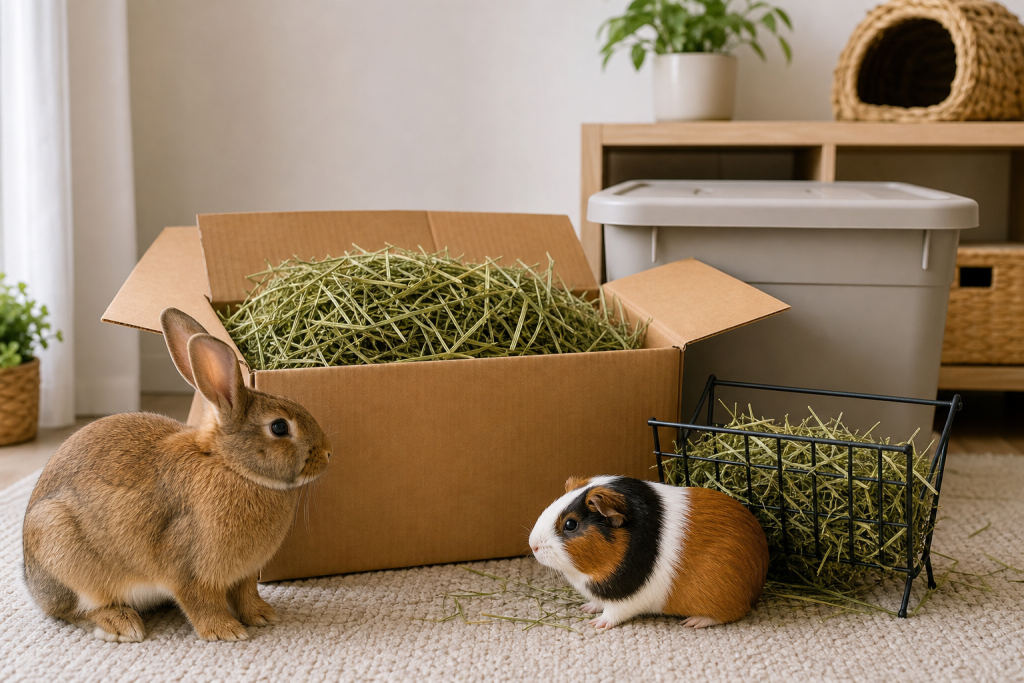
A bulk rabbit hay deal only saves money if the hay stays fresh, dry and appealing until your rabbit or guinea pig eats it. The mistake is buying the biggest box because the per-pound price looks lower, then discovering you do not have a cool, breathable storage spot or the hay arrives too dusty, musty or crushed to use.
That matters now because hay is a repeat purchase, not a treat. Retailers list small-animal hay with deal filters, Autoship options and large boxes, while welfare groups still frame good-quality hay as the core of a rabbit or guinea pig diet. Before you add a 20-pound box to hit a promo threshold, check the storage and return math.
Why bulk hay is different from buying a bigger food bag
Rabbit Welfare Association & Fund says a rabbit diet should be built mainly around hay or grass, and its buying guidance says good hay should be dry, sweet smelling and free from grit, dust and mould. PDSA gives similar advice, saying rabbits should have an unlimited amount of hay or grass, or at least a bundle as big as them each day.
Guinea pigs are in the same repeat-buy category. RSPCA says good-quality hay should make up most of a guinea pig’s diet and should be available at all times. That means a low unit price can look tempting, but bad hay is not a bargain if half the box is rejected, wasted or stored badly.
The checkout checks before buying the big box
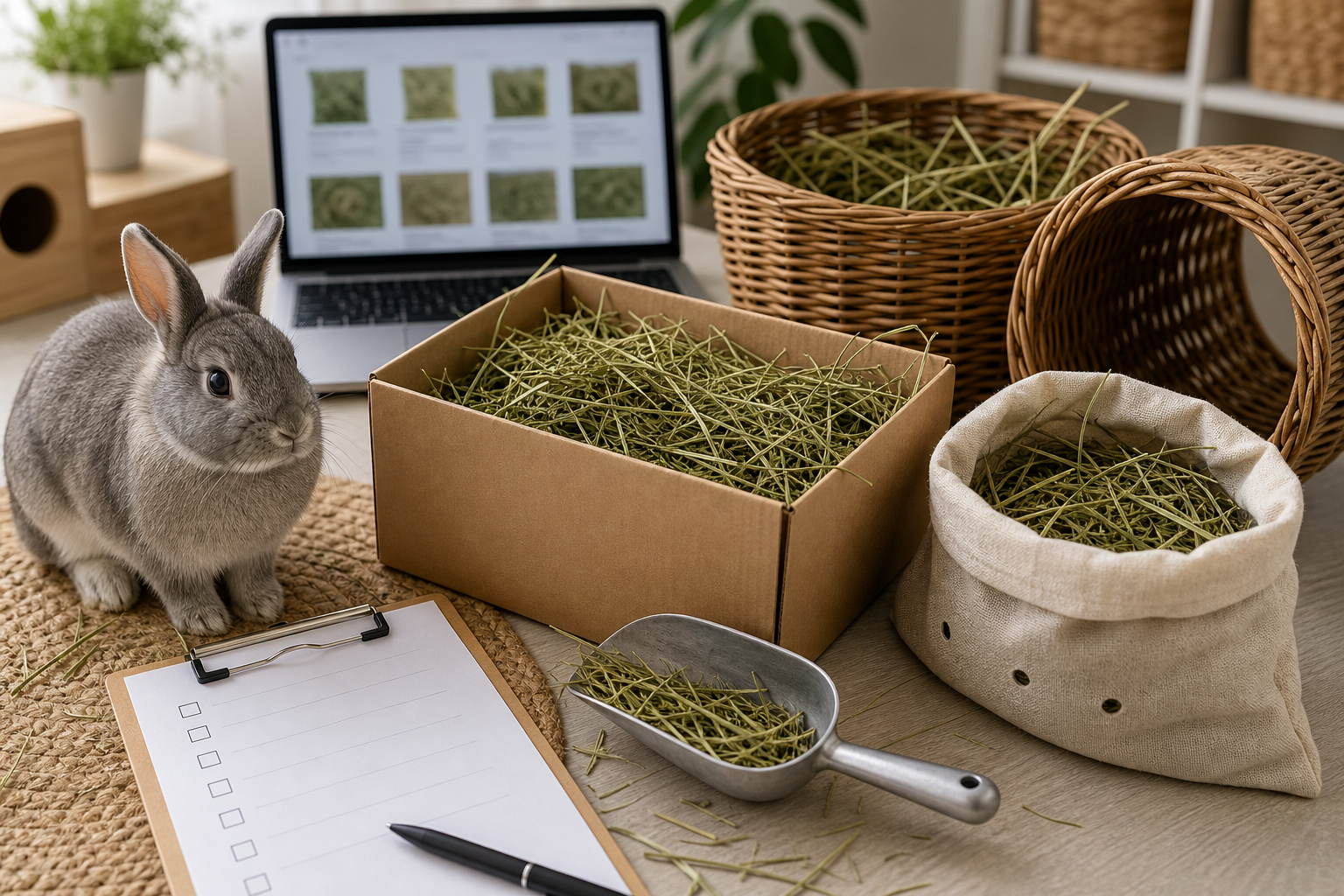
Start with your storage space, not the sale badge. Oxbow’s hay storage guidance warns that poor storage can lead to mold, loss of nutritional value and reduced palatability, and it highlights temperature, humidity, airflow and sunlight as key factors. If your only open space is a damp garage, a hot balcony or an airtight plastic tote packed full, a smaller bag may be the cheaper choice.
Then compare the product as hay, not just as pounds. Check whether it is timothy, orchard, meadow, oat or alfalfa. Adult rabbits usually need grass hay as the everyday base, while alfalfa is richer and is not the default adult-rabbit bulk buy. If your pet is picky, changing hay type or cutting can create waste even when the listing has strong reviews.
Look for these details before paying:
- Hay type and cutting, especially if your pet already accepts one texture.
- Box weight, dimensions and where you will store it with airflow.
- Recent reviews mentioning dust, musty smell, crushed hay or inconsistent batches.
- Return rules for opened, damaged or poor-quality consumable pet supplies.
- Whether Autoship locks in the right quantity or sends another box before you finish the first one.
When a deal is not really a deal
A hay deal can fail in three quiet ways. First, the promo threshold can push you into a box too large for your home. Second, Autoship can arrive faster than your pets eat through the previous box. Third, shipping damage can turn a clean-looking unit price into a dusty bottom layer that your pet avoids.
Chewy’s small-animal hay category currently shows deal and price filters, which is useful for comparison shopping, but the filter does not prove a specific box is fresh enough for your pet or sensible for your storage space. PetSmart’s return policy says online purchases returned in store need original packaging, and by-mail returns can have a return shipping fee deducted. Chewy’s help surface says to start returns through customer care. In practice, save the order confirmation, take photos before dumping hay into another container and do not throw out the box until you have inspected the hay.
What to avoid
Do not feed hay that smells musty, feels damp or contains obvious mold, wet patches or suspicious contamination. Do not assume brown hay is always unsafe, because color can vary, but smell, dryness and cleanliness matter. Do not buy a huge box just to chase a coupon if your pet has never tried that hay type.
Also avoid turning this into a medical decision at checkout. If your rabbit or guinea pig stops eating, loses weight, drools, has abnormal droppings or seems unwell, ask a veterinarian promptly. A different hay brand or a bigger box is not a substitute for veterinary care.
A practical bulk-hay buying rule
Buy the largest amount you can store dry, breathable and out of direct sun, while still finishing it before quality drops or your pet loses interest. For a first order from a new brand, choose a smaller size or a mixed sampler when available. Once your pet accepts it and your storage works, bulk can make sense.
Quick answers
Is bulk hay cheaper for rabbits?
It can be, but only if the hay stays dry and your rabbit eats it consistently. Wasted or moldy hay erases the savings.
Can guinea pigs eat the same hay?
Many guinea pigs eat grass hays such as timothy or orchard hay, but they also need species-appropriate vitamin C and fresh foods. Use guinea-pig-specific diet guidance and ask your vet if your pet has special needs.
Should hay go in an airtight bin?
Airtight storage can trap moisture. Hay needs a dry, cool place with some airflow, especially in humid homes.
Should I buy alfalfa hay in bulk?
Not as the default for most healthy adult rabbits. It is richer than grass hay, so check life stage and veterinary guidance before making it a bulk staple.
Sources
Sources last checked: August 25, 2026, 19:35 CEST, Europe/Rome.