
#food transition
#pet food labels
#pet food samples
#Petco events
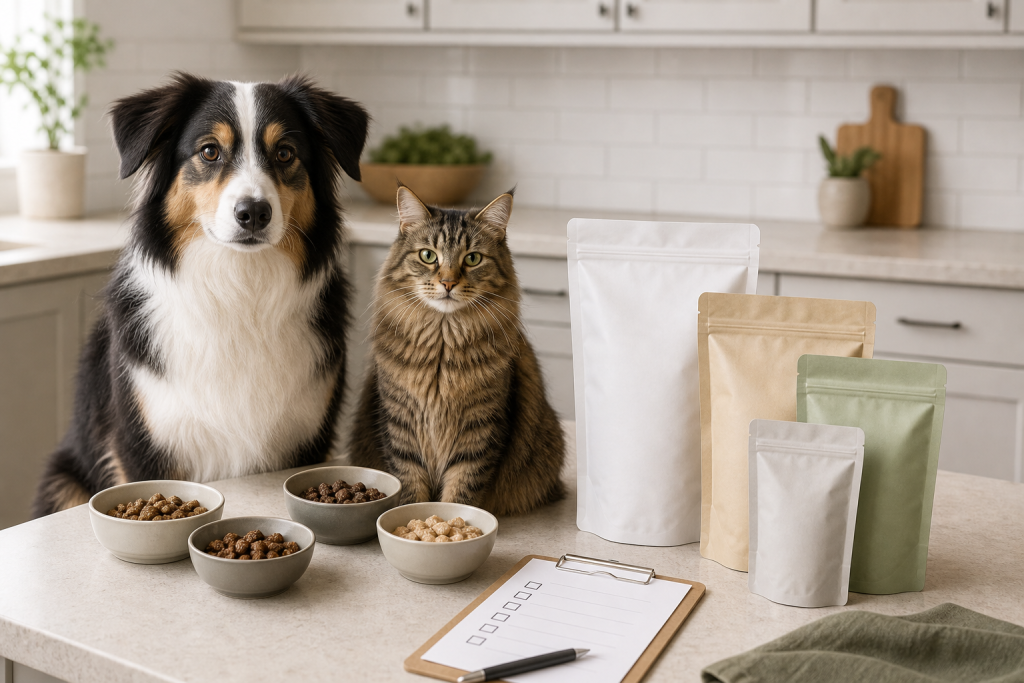
A free pet food sample is only a deal if it helps you avoid buying the wrong full-size bag. Before you use a tasting event, sample packet or checkout freebie as a reason to switch, check whether the food matches your dog or cat’s life stage, normal diet, calorie needs and return options. If your pet is on a veterinary diet, has food allergies or gets stomach upset easily, ask your vet before experimenting.
Pet food samples are getting attention again because retailers are using in-store events and seasonal promos to introduce new formulas. Petco’s current event page, checked on August 25, lists late-August food tastings and sample-style treats, with participation varying by store. That can be useful, but the checkout mistake is buying a big bag because one sample went well in the aisle.
Why This Matters Before You Buy the Full Bag
Samples are built to reduce hesitation. A dog may love a small cup of food in a store because it is novel, because the portion is tiny or because the event feels exciting. A cat may sniff a sample once and still reject the food after three meals at home.
The bigger issue is that a sample does not prove the food is right for daily feeding. FDA pet food guidance explains that labels carry important information such as product identity, net quantity, ingredient listing and the manufacturer’s or distributor’s name and address. FDA also explains that “complete and balanced” claims and AAFCO-style nutritional adequacy statements are what shoppers should use to understand whether a food is intended as a full diet or something else.
That matters because a sample-size win can hide a mismatch. A puppy formula is not the same decision as an adult maintenance food. A topper, treat or intermittent-feeding product is not a complete daily diet. A fresh or freeze-dried sample may also have different storage, handling and cost-per-day math than the kibble or canned food you normally buy.
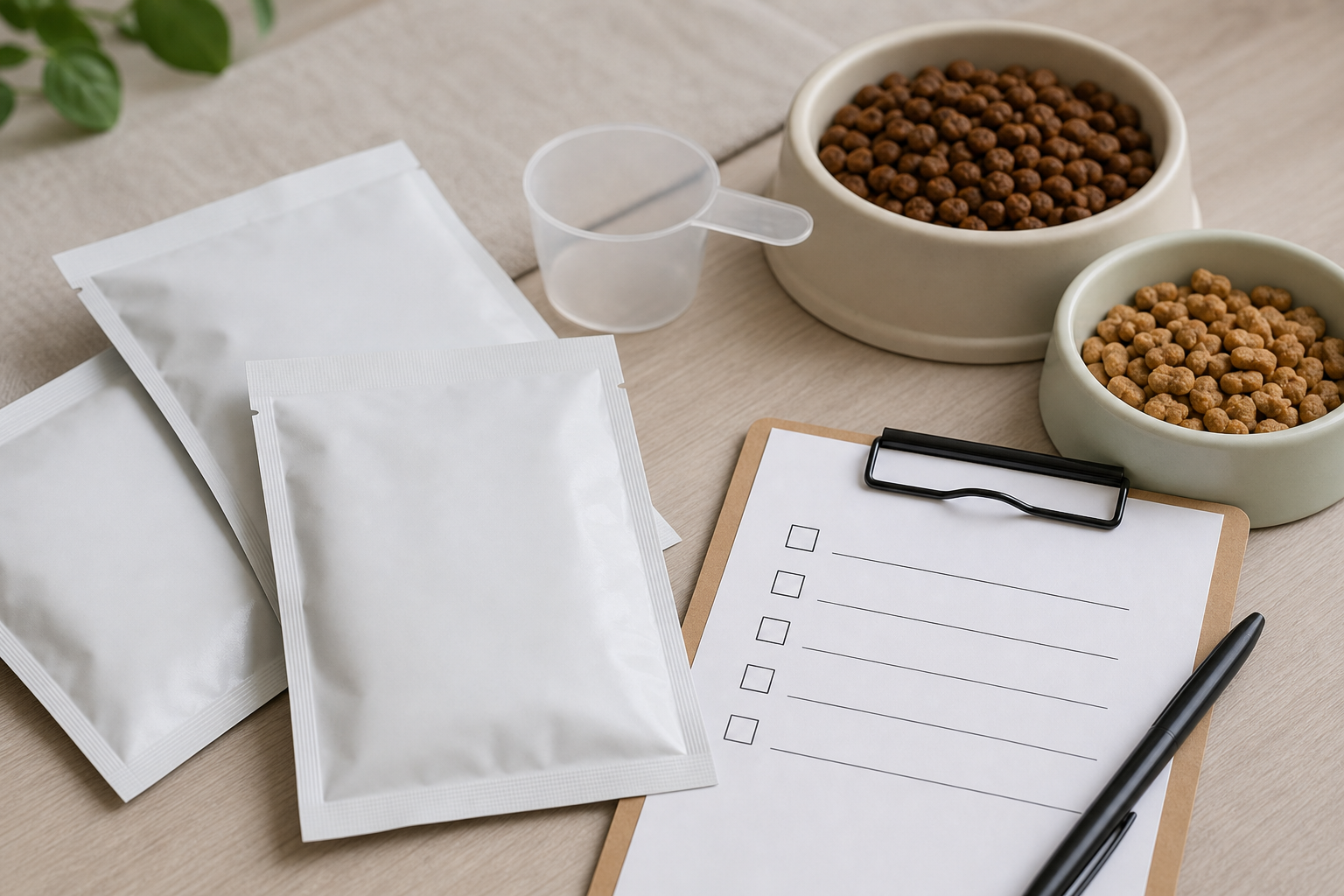
The Sample-to-Bag Checklist
Before buying the full-size version, check these details while you still have the label or product page in front of you.
- Life stage: Look for whether the food is for growth, adult maintenance, all life stages or another stated use.
- Complete diet or add-on: Do not treat a topper, mixer or snack sample like a replacement meal unless the label says it is complete and balanced for the right life stage.
- Calories: Compare calories per cup, can, pouch or treat, not just the serving suggestion.
- Current diet overlap: Check whether the sample is similar enough to your pet’s current food to transition gradually.
- Storage: For wet, pouched, fresh or freeze-dried products, check refrigeration, resealing and handling instructions before buying a multi-pack.
- Return terms: Retailers can treat food, opened products, prescriptions and online orders differently, so read the return page before assuming a full refund is easy.
WSAVA’s nutrition guidance is a useful reminder that pet nutrition should be individual. Age, body condition, activity level, disease history and current diet all affect whether a food change makes sense. For routine healthy pets, a sample can help test interest. For pets with medical conditions, it is not a substitute for veterinary advice.
Do Not Switch Meals Because One Sample Worked
The sample should answer one question: will my pet show interest? It should not answer every nutrition question. Purina Institute’s dog-food transition guidance, for example, recommends gradually replacing part of the current food with the new food over about a week to reduce the risk of stomach upset. Many pets need a slower change, especially if they have sensitive digestion.
A practical approach is to buy the smallest full-size bag or pack that makes sense, then transition slowly while watching appetite, stool quality and tolerance. If the product is a treat, topper or high-value sample, count it in the day’s calories. Treats can make the bag look cheap while quietly replacing balanced food.
Deal and Coupon Checks Before Paying
Retailer food promos can be useful, but verify the terms in the cart. Petco’s event page says participation varies, so a listed tasting does not mean every store has the same sample, brand or timing. PetSmart’s promotional terms note that offers may apply only to eligible products, may have exclusions and may not combine with other promotions.
For online carts, check whether a coupon applies only to first-time Autoship, a specific brand, a minimum order or a delivery method. Also check whether the deal changes the reorder date. A sample should not push you into a subscription schedule before you know the food agrees with your pet.
Return policy matters too. PetSmart says online purchases can be returned in store for the purchase price, minus some charges, but products generally need original packaging and prescription medications are excluded. Petco’s published policy and promotion terms include exclusions for some brands, offers and subscriptions. Read the current terms for the exact cart you are buying.
What to Avoid
- Do not buy a large bag at the event if your pet only tried a few bites.
- Do not switch a pet on a veterinary or allergy diet without asking your vet.
- Do not assume “natural,” “fresh,” “premium” or “wild” means the food is nutritionally right for your pet.
- Do not pour a new food into a storage bin and throw away the original bag. FDA storage guidance recommends keeping dry pet food in its original bag, partly so the lot code and label stay available.
- Do not ignore current recall pages when buying an unfamiliar brand or a discounted case.
Quick Answers
Is a free pet food sample worth taking?
Yes, if you treat it as a taste test and label check, not as proof that a full bag is right for daily feeding.
Should I buy the full-size bag the same day?
Only if the label fits your pet, the price still works by daily feeding cost, and the return terms are acceptable. For many owners, the smaller bag is the safer first purchase.
Can a sample replace dinner?
Usually no. Samples and event treats are often small extras. Unless the product is clearly labeled as a complete and balanced meal for your pet’s life stage, treat it like an add-on.
Sources
Sources last checked: August 25, 2026, 22:35 CEST, Europe/Rome.
- Petco in-store events
- Petco help, policies and terms
- PetSmart return policy
- PetSmart promotional terms
- FDA, “Complete and Balanced” Pet Food
- FDA pet food labeling overview
- FDA proper storage of pet food and treats
- WSAVA Global Nutrition Guidelines
- Purina Institute, switching pet foods for dogs
- FDA Animal and Veterinary Recalls and Withdrawals