
#cassava cat litter
#cat litter deals
#plant-based cat litter
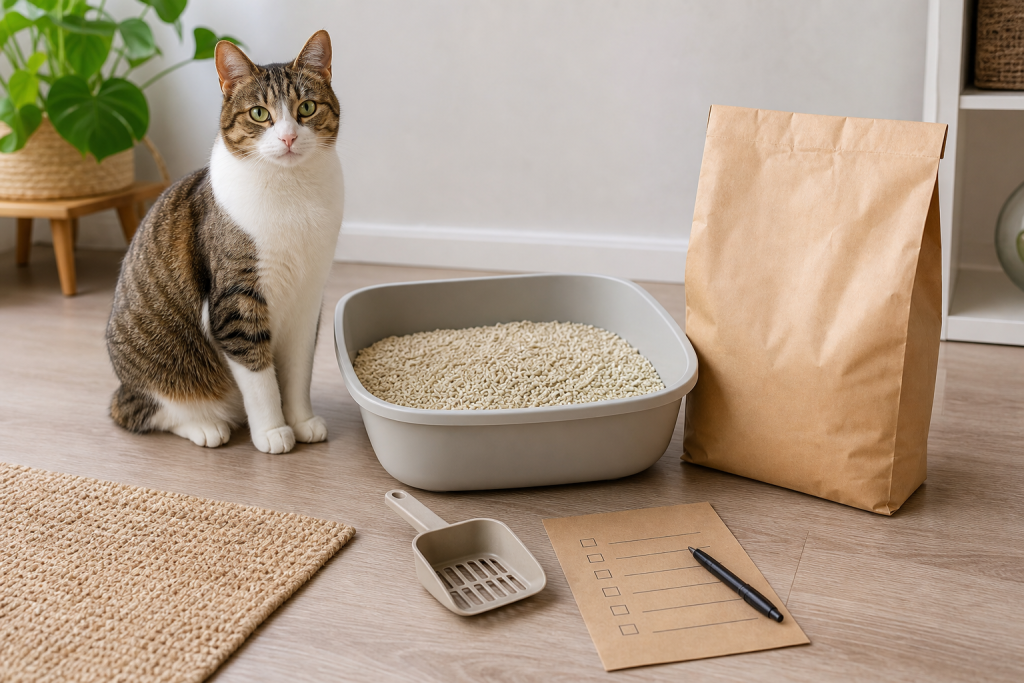
Cassava cat litter can be worth trying, but it is not an automatic upgrade just because the bag says plant-based, natural or flushable. The smart move is to buy the smallest practical size first, test clumping and tracking for your own cat, and check disposal rules before you treat a sale bag like a bargain.
The reason this matters now is simple: plant-based litters are more visible in search results and retailer shelves, and corn-and-cassava formulas are often marketed as lightweight, fast-clumping alternatives to clay. That can be useful, especially if you want an unscented litter with firm scooping. It can also be a waste if your cat rejects the texture, the litter tracks through the house, or the “flushable” claim makes you ignore local plumbing and parasite guidance.
Why Cassava Litter Is Showing Up in More Carts
Cassava is a starchy plant ingredient, and in cat litter it is often paired with corn or other plant material to create tight clumps. Retail listings for corn-and-cassava litter commonly emphasize fast clumping, low dust, unscented formulas and lighter color, which can make soiled spots easier to see.
That sounds attractive if you are tired of heavy clay boxes or perfumed litter. But a litter deal should be judged by the month, not the bag. The real cost is how much you pour, how often you top up, how often you fully replace the box, whether your cat actually uses it and whether the texture creates extra cleaning work around the litter area.
The Checkout Test Before You Buy the Big Bag
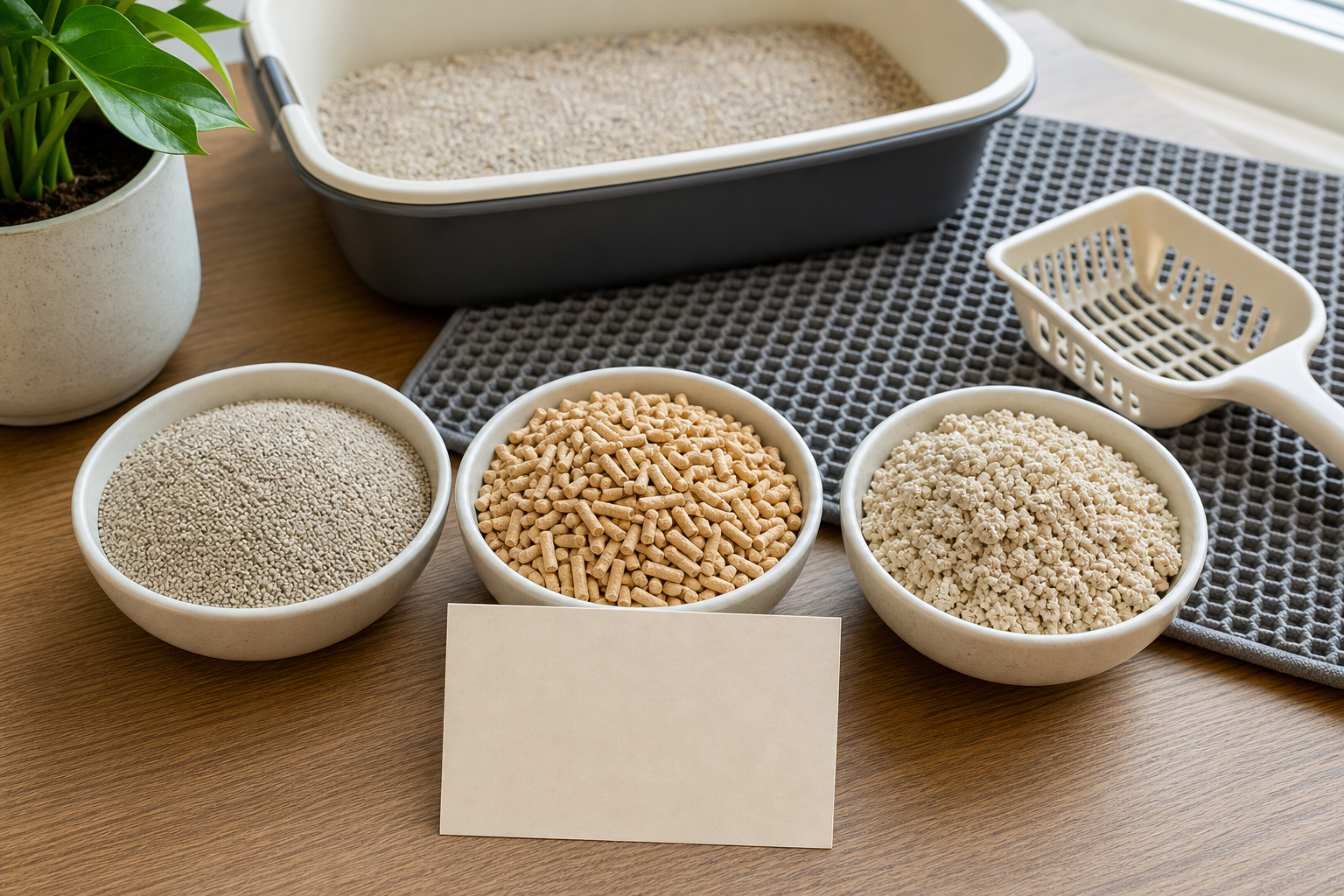
Start with texture. Fine-grain plant litters can feel closer to sand, which some cats like, but the same fine texture can track more easily outside the box. Larger grains may track less, but a picky cat may dislike the feel underfoot. If the listing does not show a clear close-up of the granules, do not assume the word “natural” tells you how it will feel.
Next, check the clumping claim. Good clumping matters because weak clumps break apart, spread odor and make you scoop out more clean litter. That is where a cheap sale can get expensive. If reviews mention crumbling clumps, gummy residue on the scoop or wet paste at the bottom of the pan, buy a trial size first or skip the bulk case.
Then check the dust and scent details. Plant-based does not always mean dust-free, and fragrance-free is not the same as odor-free. Many cats tolerate unscented litter better than strongly perfumed formulas, but odor control still depends on daily scooping, box depth, ventilation and the number of cats using the box.
Do Not Buy It for the Flushable Claim Alone
This is the biggest mistake with cassava and other plant-based litters. A litter can break down in water and still be a bad idea for your home, septic system, building rules or local wastewater guidance. Cat feces can also raise parasite concerns, so “flushable” should not be treated as a universal disposal instruction.
The Companion Animal Parasite Council says litter boxes should be cleaned daily because Toxoplasma gondii oocysts need at least 24 hours to become infective. Several public-health sources advise against flushing cat litter or feces. For shoppers, the practical rule is simple: check your product label, local rules, septic restrictions and plumbing reality before paying more for a flushable promise.
When a Cassava Litter Deal Is Actually Useful
A cassava or corn-and-cassava litter deal is most useful when the bag solves a specific problem you already have. Good reasons to try it include wanting an unscented plant-based litter, needing a lighter-color litter to see soiled areas, looking for a lower-dust alternative, or testing whether your cat prefers a softer texture than pellets.
It is less compelling if your current litter works, your cat is sensitive to changes, or the deal only looks good because the bag is smaller than your usual clay litter. Always compare cost by usable pound or by expected weeks per cat, not by the headline price. A 10-pound plant-based bag can disappear faster than a heavier clay box if you have multiple cats or scoop out large clumps.
How to Switch Without Wasting the Bag
Do not dump the old litter and replace it all at once unless your cat has handled sudden litter changes before. A safer shopping plan is to place a second box with the new litter near the current setup, or mix a small amount into the existing litter and increase it gradually. Keep the box clean, watch whether your cat avoids it, and do not stock up until the trial has lasted long enough to show real use.
For multi-cat homes, test longer. One cat may accept the new texture while another avoids it. If the litter is expensive, that matters more than the first-day reaction. A deal is not a deal if it creates missed-box cleanup, extra mats, extra laundry or another full bag of your old litter as a rescue purchase.
Deal and Coupon Checks Before Paying
Before you use a coupon or Autoship offer, check whether cat litter is excluded, whether the discount applies only to the first shipment and whether the shipping threshold changes for heavy items. Some retailers exclude litter from certain promotions or shipping perks, and marketplace listings can vary by seller.
Open the cart before you commit. Confirm the exact bag size, seller, delivery fee, subscription renewal price, return rules and whether the product is scented or unscented. If the product page says corn and cassava but the cart shows a different formula, stop and verify before ordering.
What to Avoid
Avoid bulk-buying a new litter material before your cat has used it for at least a short trial. Avoid scented formulas if your cat already rejects strong smells. Avoid vague listings that do not show ingredients, granule size, bag weight or disposal instructions. Avoid assuming plant-based litter belongs in the toilet, especially with septic systems, apartments, older plumbing or local rules against flushing pet waste.
Also avoid treating litter as a health monitor unless the product is specifically designed and sourced for that purpose. A lighter litter can make urine spots easier to notice, but it cannot diagnose a cat. If you see blood, sudden litter-box avoidance, repeated straining, very frequent urination or other worrying changes, call your veterinarian.
Quick Answers
Is cassava cat litter better than clay?
Not automatically. It may be lighter, plant-based and fast-clumping, but clay may still be cheaper, easier to find and more familiar to your cat. The better choice is the one your cat uses reliably and you can maintain cleanly.
Should I buy a large bag first?
No. Buy a smaller size first unless your cat has already used the same formula. Texture rejection and tracking are expensive to discover after a bulk order.
Can cassava cat litter be flushed?
Do not rely on that claim alone. Check the product label, local wastewater rules, septic guidance and public-health advice. Trash disposal is often the safer default.
What is the best checkout comparison?
Compare bag weight, expected weeks of use, dust and scent claims, clumping reviews, delivery fees, seller identity and the renewal price if you are using a subscription discount.
Sources
Sources last checked: September 9, 2026, 22:34 CEST, Europe/Rome.
- Chewy product listing snippets for corn-and-cassava cat litter, used only to verify that corn-and-cassava litter is currently sold in pet retail channels.
- PetSmart product listing snippets for Sustainably Yours corn-and-cassava cat litter, used to verify ingredient and bag-size positioning in retail listings.
- Cats.com, Best Cat Litters of 2026, for current litter-shopping factors including clumping, odor control, dust, tracking and price-per-pound comparisons.
- The Spruce Pets, Best Eco-Friendly Cat Litters of 2026, for plant-based litter composition and shopping considerations.
- Companion Animal Parasite Council, Toxoplasma gondii, for litter-box cleanup timing and parasite-prevention context.
- County of San Luis Obispo Public Health, Toxoplasmosis, for public-health guidance on cat litter handling and disposal.