
#flea and tick
#flea trap deals
#flea traps
#pet tech deals
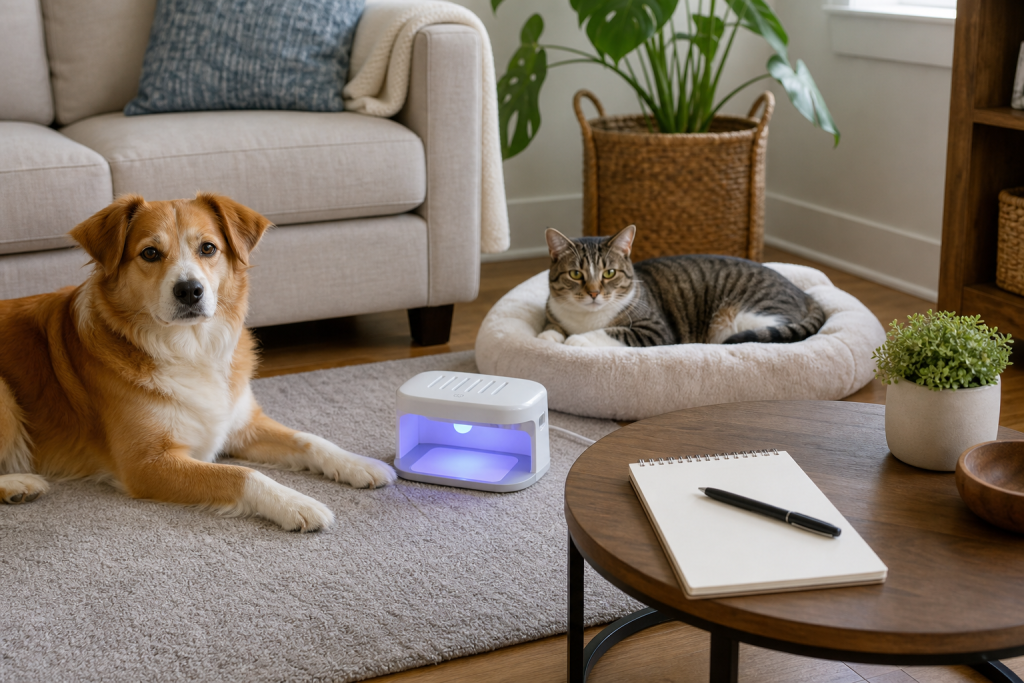
A UV or light-based flea trap can be useful, but it is not the same thing as flea control for your dog or cat. The trap can help you spot adult fleas and catch some of them indoors, while the real job still depends on pet-safe prevention, cleaning and, when needed, advice from your veterinarian. Before you buy one on sale, check the refill pads, placement rules, light type, power setup and whether the listing is quietly promising more than a trap can deliver.
Why This Deal Is Showing Up Now
Flea products get more attention when pet owners are dealing with late-summer and early-fall itch, travel, boarding, grooming visits and indoor infestations that do not disappear after one bath. Retailers also tend to surface low-cost gadgets at the same time shoppers are already looking for flea combs, home sprays, laundry products and preventives.
That makes electric flea light traps easy to misunderstand. They look cleaner and less risky than sprays, and the words “non-toxic” or “chemical-free” can make the product sound like a complete answer. In reality, most light traps are better treated as monitoring tools or supplemental catchers for adult fleas in a room, not as a stand-alone plan for pets or carpets.
What A Flea Light Trap Actually Does
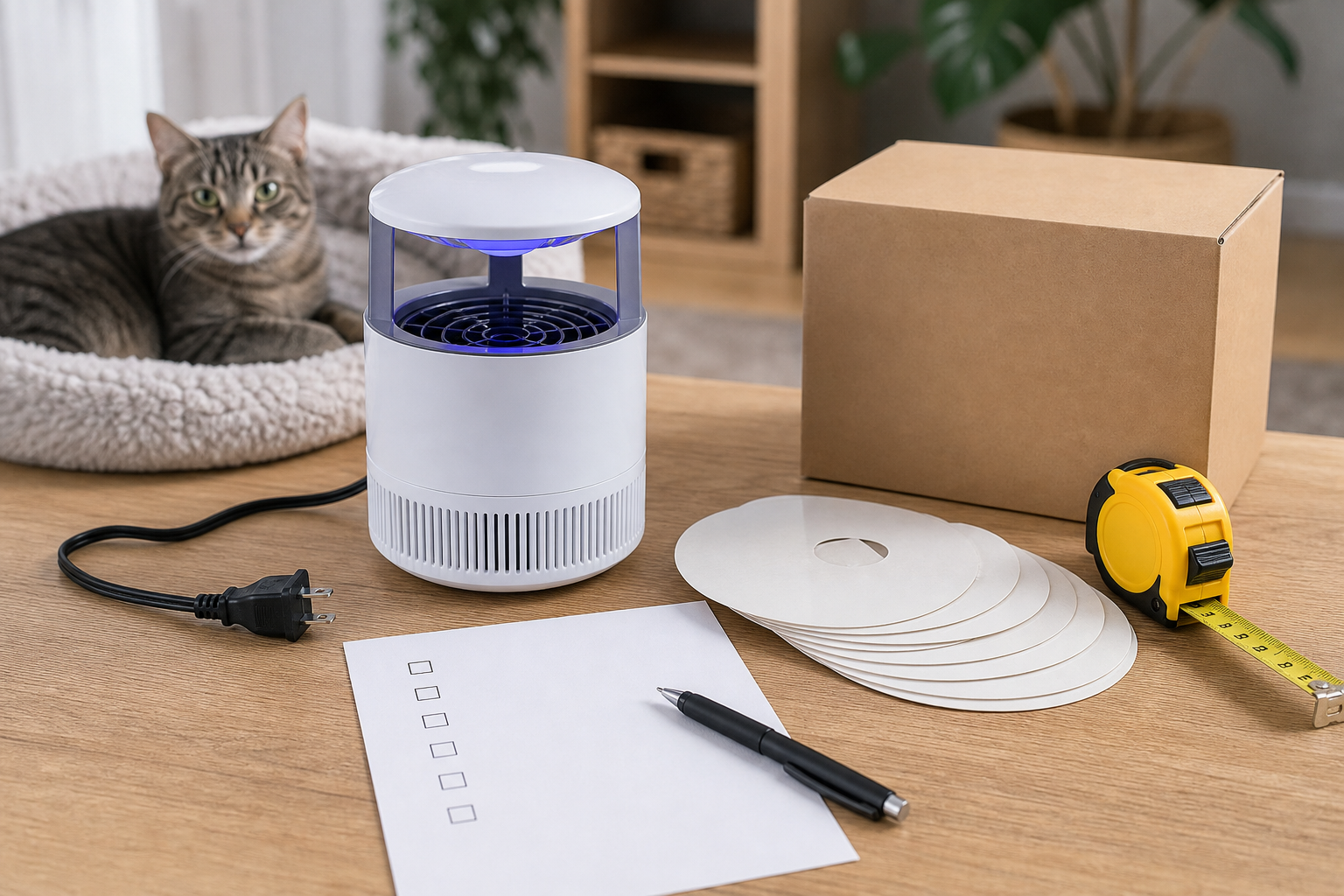
Most consumer flea traps use a small light, sometimes with warmth or an intermittent pattern, above a sticky pad. Adult fleas are attracted toward the light and land on the adhesive surface. The pad is then thrown away and replaced.
The useful part is visibility. If you suspect fleas but are not sure where the activity is strongest, a trap near pet bedding can show whether adults are emerging in that room. It can also help you see whether a wider cleaning and treatment plan is reducing activity over time.
The limit is just as important. Fleas spend much of their life cycle away from the adult stage, including eggs, larvae and pupae in carpets, cushions, cracks and pet resting spots. A lamp and sticky pad cannot clean bedding, treat a pet, reach hidden larvae or choose a safe species-specific flea product.
The Checkout Detail That Matters Most
Do not judge the deal by the price of the trap alone. Check the refill pads first. A cheap light trap can become expensive if the sticky discs are proprietary, hard to find, sold in tiny packs or cost almost as much as a new unit.
Before paying, answer these questions:
- How many refill pads are included in the box?
- Are the pads a standard round or square size, or a brand-only shape?
- Does the listing clearly show replacement pads that are still available?
- Can you buy refills from the same retailer without paying separate shipping?
- Will the trap work with generic pads, or does the seller warn against them?
- Is the light bulb or LED replaceable if it fails?
If the refill path is unclear, the discount is weak. You are not buying one gadget. You are buying a small recurring supply system.
Placement Can Make Or Break The Result
A flea light trap is not useful everywhere. It usually makes the most sense indoors, near places where pets rest, sleep or spend time, while still staying out of reach of curious paws, chewing dogs and children. A trap hidden behind furniture where nobody checks it may tell you very little.
Avoid placing the trap where a pet can step on the sticky pad, mouth it, knock it over or drag the cord. For corded units, look at the cord length before checkout. A short cord may force you to use an extension lead in a hallway or beside bedding, which can create a trip or chew problem. For battery-powered units, check battery type and expected run time, then decide whether batteries will erase the savings.
Also think about room lighting. A trap competing with bright lamps, sunlight or screens may not perform the way the product photos suggest. If the manufacturer gives placement guidance, read it before opening the package so you know whether the product fits your home.
Do Not Let “Chemical-Free” Replace Pet Treatment
“Chemical-free” can be a helpful feature if you are trying to reduce indoor pesticide use, but it can also lead to a bad shopping decision. A trap that contains no insecticide is not automatically enough for a flea problem. It is simply a different kind of tool.
Reliable flea control usually includes the pet, the home environment and the places where the animal rests. University extension guidance notes that flea traps can help capture adults and monitor treatment status, but they will not eliminate an infestation unless used with other methods. CDC and EPA guidance also emphasizes cleaning, vacuuming and careful use of approved flea and tick products according to label directions.
For medication or pesticide choices, do not improvise from a gadget listing. Dogs and cats can need different products, and some products labeled for dogs should never be used on cats. If your pet is young, senior, pregnant, ill, on medication or has had a previous reaction, ask your veterinarian which flea prevention is appropriate.
Deal And Coupon Checks Before You Pay
If the trap is part of a pet-supply sale, verify the practical costs instead of chasing the largest discount badge.
- Compare the trap plus at least one refill pack, not the trap alone.
- Check whether the coupon applies to refills, replacement bulbs, batteries or only the starter unit.
- Confirm whether the seller is the brand, the retailer or a third-party marketplace account.
- Read the return policy before removing adhesive pads or protective films.
- Check shipping thresholds, because low-cost refill pads can be expensive if they trigger a separate delivery fee.
- Ignore listings that promise to solve every flea problem without pet treatment, cleaning or label-safe products.
A better deal is usually a trap with clear refills, a stable seller, a sensible return window and honest language about monitoring. A flashy discount on a vague listing is not a bargain if you cannot keep the unit working.
What To Avoid
Skip any flea trap listing that uses fear-heavy language, fake-looking certification badges or claims that one indoor gadget replaces all flea prevention. Avoid open water-and-lamp DIY setups around pets because they can spill, tip or create an electrical hazard. Be cautious with exposed bulbs, loose cords, weak housings and sticky pads that are easy for a pet to reach.
Also avoid treating a trap count like a medical signal. More fleas on a pad can mean activity in that room, but it does not tell you whether your pet has flea allergy dermatitis, another skin problem or a parasite prevention gap. If your dog or cat is intensely itchy, losing hair, developing sores or seems unwell, contact your veterinarian.
A Practical Buying Framework
Use this simple rule: buy a flea light trap only if you would still have a real flea plan without it. The trap should add visibility, not replace prevention.
For most pet homes, the stronger purchase is the one that answers four things clearly. First, where will it sit safely? Second, how often will you replace pads? Third, what ongoing pet-safe flea prevention are you already using or discussing with your vet? Fourth, what cleaning routine will you follow for bedding, rugs and the rooms where your pet spends the most time?
If you cannot answer those questions, wait on the gadget. Put the money toward the part of the plan that is missing.
Quick Answers
Can a UV flea trap get rid of fleas by itself?
Do not count on it. A light and sticky-pad trap can catch some adult fleas and help monitor activity, but it does not address the full flea life cycle on pets and in the home.
Is a flea light trap safe around cats and dogs?
It can be, if the unit is sturdy, the sticky pad is not accessible, cords are managed and the pet is not a chewer. Placement matters as much as the product.
Are refill pads the hidden cost?
Often, yes. Check pad size, quantity, availability and shipping cost before buying the starter unit.
Should I still use flea prevention?
Ask your veterinarian what is appropriate for your pet. A trap is not a substitute for species-specific flea and tick products, especially if fleas are already biting your dog or cat.
Sources
Last checked: September 10, 2026, 04:39 CEST, Europe/Rome.
- University of Kentucky Department of Entomology, “Flea Control and Prevention.”
- CDC, “Preventing Fleas.”
- EPA, “Controlling Fleas and Ticks Around Your Home.”
- EPA, “Protecting Pets from Fleas and Ticks.”
- FDA, “Safe Use of Flea and Tick Products in Pets.”
- FDA guidance on identifying FDA-approved or EPA-registered flea and tick products.
- Pets4Homes, “What is a Flea Trap? Uses and Effectiveness Explained.”
- The Spruce, “How to Make an Effective Homemade Flea Trap, 3 Ways,” used only for the fire-risk caution around candle-style DIY traps.