
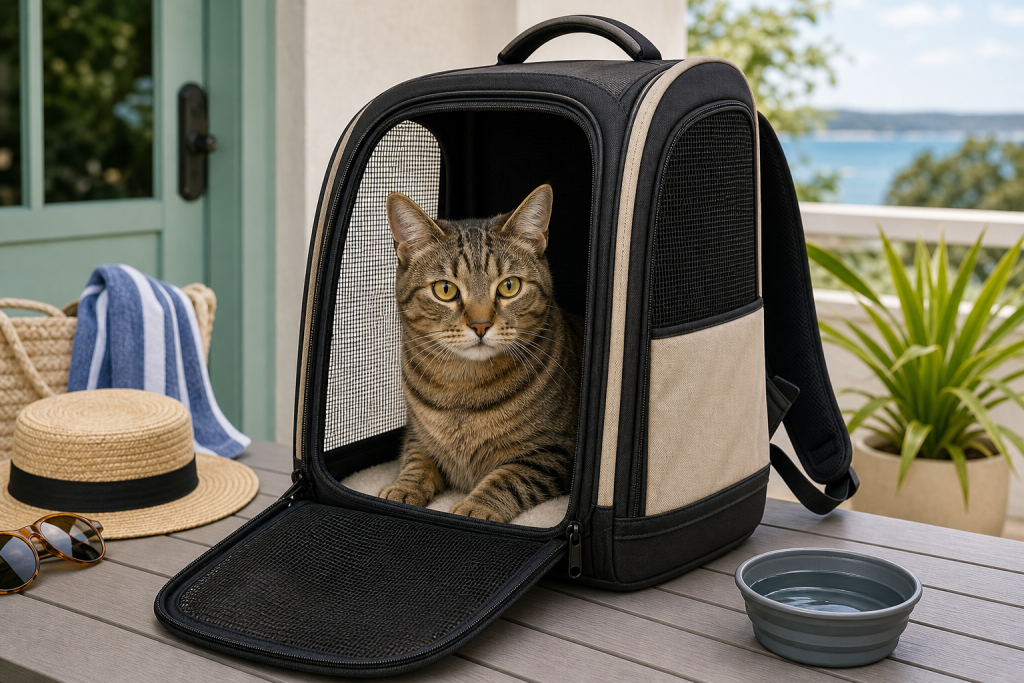
#cat backpack carrier
#cat carriers
#pet travel
#summer pet safety
A cheap cat backpack carrier can become a bad buy if it traps heat, fits like a narrow display case, or makes returns difficult after your cat refuses it. Before paying, check ventilation on at least two sides, usable interior space, weight rating, zipper security, liner cleanup, and whether the store will take it back after a careful test fit. A backpack is convenience for you, not an automatic comfort upgrade for your cat.
Cat backpack carriers keep showing up in summer travel searches because they look easier than a hard carrier for short walks, vet trips and outdoor errands. The problem is that many listings sell the idea of adventure before they prove the basics: airflow, shade, stability and enough room for the cat to stand, turn and settle without being pressed against clear plastic or warm fabric.
Why this matters now
Summer pet shopping is not slowing down. The American Pet Products Association says U.S. pet industry expenditures reached $158 billion in 2025 and are projected to reach $165 billion in 2026, with owners becoming more intentional about what they buy. Travel accessories sit right in that pressure point: they feel useful, they photograph well, and they can be surprisingly disappointing if the carrier is designed more for the shopper than the cat.
Heat is the immediate reason to be careful. The CDC warns that pets should not be left in parked vehicles and that pets need fresh water and shade on hot days. That same logic applies to a backpack carrier. If the carrier has limited airflow, sits in direct sun, or keeps your cat close to your back for a long walk, a discount does not make it a smart purchase.
The ventilation check most shoppers skip
Cats Protection advises choosing a carrier with openings on at least two sides to help prevent overheating or suffocation. That is a useful minimum check for backpack carriers because some popular styles rely heavily on a clear bubble window or small vents. A product can look airy in a photo and still feel stuffy when a cat is inside it on a warm pavement walk.
Before checkout, look for real mesh panels, not just decorative holes. Check whether the panels stay open when the backpack is worn, whether your clothing or arms block airflow, and whether the base stays level when you walk. If the carrier includes a fan, treat it as a comfort feature, not a safety guarantee. Ask what powers it, how long the battery runs, whether it still ventilates without power, and whether replacement parts are available.
Fit is more than the weight limit
A weight rating tells you only part of the story. The CDC’s pet travel guidance says a pet in a crate should be able to stand, sit, lie down and turn around, and that the crate should be well ventilated. A backpack carrier may not match a road-trip crate, but the same buying principle matters: your cat needs usable interior space, not just a listed maximum weight.
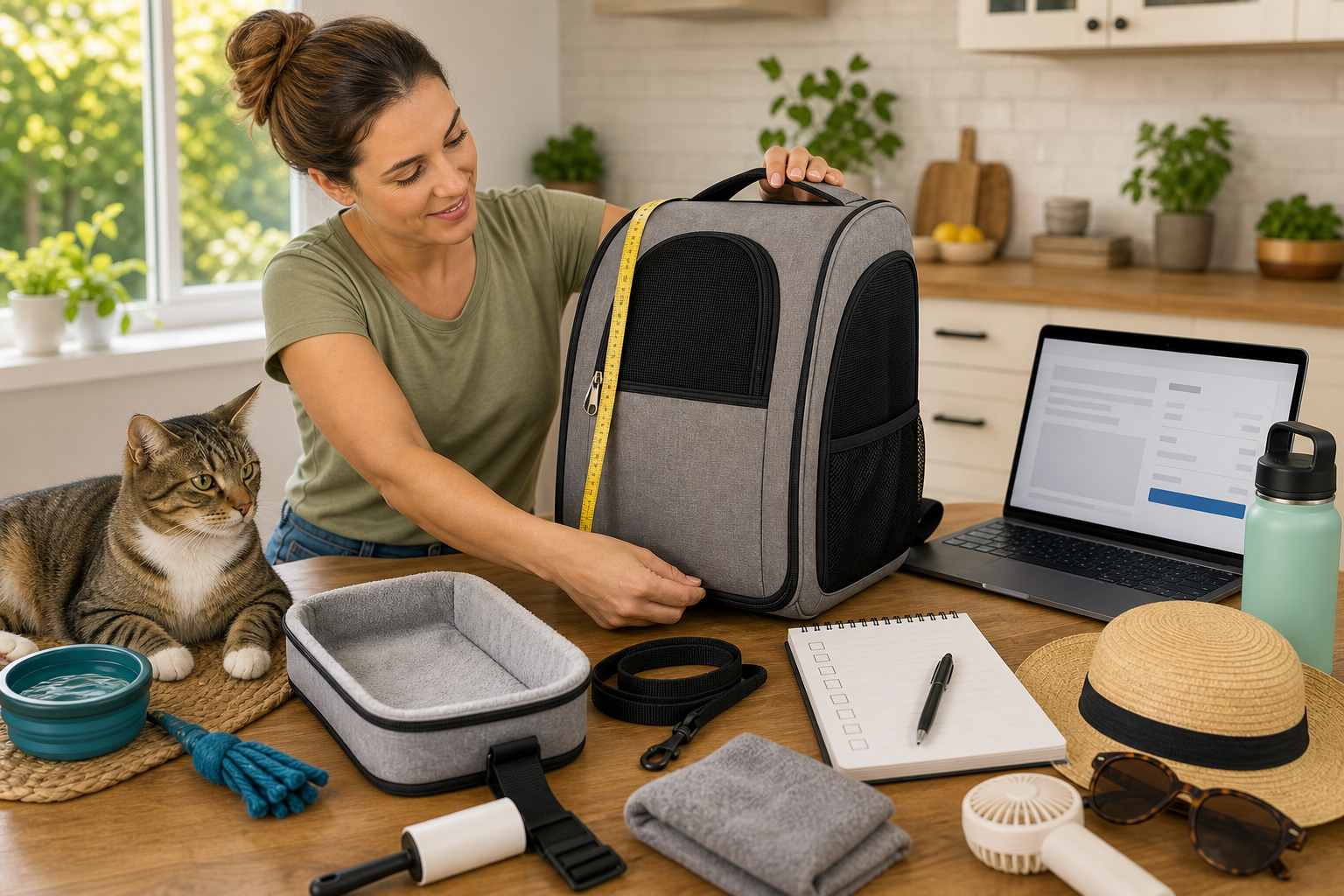
Measure your cat’s body length and shoulder height, then compare those numbers with the interior dimensions, not the exterior shell. Watch for listings that show only product size, not the actual inside space after padding, pockets and curved walls. If your cat is large, senior, easily stressed, flat-faced, recovering from illness, or already struggles with heat, ask your veterinarian whether this style of carrier is appropriate before trying to stretch a deal.
Checkout details that decide whether the deal works
The cheapest backpack is rarely the cheapest option if you have to replace it after one stressful outing. Before paying, check these details:
- Interior dimensions: confirm your cat can turn and settle without curling into a tight ball.
- Ventilation: look for openings on at least two sides and mesh that is not blocked by your body when worn.
- Base support: the bottom should stay flat enough that your cat is not sliding or tipping as you walk.
- Zippers and clips: check for locking zippers, secure seams and an internal tether, but never rely on a tether as a substitute for a closed carrier.
- Cleaning: choose removable, washable padding or a liner that can be wiped down after accidents.
- Carry weight: add your cat’s weight to the carrier’s weight before judging comfort for you.
- Trial plan: introduce the carrier at home before using it outside, and stop if your cat panics or overheats.

Coupon and return checks before paying
Do not judge the deal by the visible sale price alone. The FTC’s online shopping guidance recommends checking total cost, shipping, return terms, fine print and seller reputation before buying. For a bulky carrier, return shipping can erase the discount quickly.
Read the exact return policy for the retailer you are using. Chewy and Petco both publish return information, but the practical details can depend on the product, timing, condition, receipt, store return option and whether return shipping is deducted. If the backpack is final sale, marketplace-shipped, personalized, refurbished, or sold by an unfamiliar third-party seller, treat the coupon as higher risk.
Also check whether the code applies to carriers at all. Some pet deals exclude travel gear, new arrivals, marketplace sellers, oversized items, or sale merchandise. If a coupon requires buying extra items to reach a threshold, calculate whether you actually need those extras.
What to avoid
Avoid backpack carriers that sell a panoramic window but give little side ventilation. Avoid listings that show a calm cat in a posed photo but do not provide interior measurements. Avoid long first outings in sun, warm cars, crowded events, loud streets or places where escape would be dangerous.
Do not use a backpack carrier as a way to force an anxious cat into public outings. Cats Protection recommends carrier training and gradual comfort-building, not rushing the process. If your cat pants, drools, becomes limp, hides in panic, vomits repeatedly, or seems unwell after travel, stop using the carrier and contact a veterinarian for guidance.
FAQ
Are cat backpack carriers safe?
They can be useful for some cats when they fit well, ventilate well and are introduced slowly. They are not automatically safer than a hard or soft-sided carrier, especially in heat or crowded places.
Is a bubble backpack a good idea for summer?
Only if the carrier still has strong airflow and shade. A large clear panel can look appealing, but it should not replace mesh ventilation or a plan to avoid hot conditions.
Should I buy one with a fan?
A fan can help comfort, but it should not be the only airflow source. Check battery life, charging, noise, replacement parts and whether the carrier remains breathable if the fan stops.
Can I use a cat backpack for airline travel?
Only after checking the airline’s current pet carrier rules for your exact trip. A backpack shape that works for a walk may not fit under a seat or meet airline requirements.
Sources
Last checked: 2026-06-04 01:32 Europe/Rome.
- American Pet Products Association, U.S. Pet Industry Reaches $158 Billion in 2025, Poised for Continued Growth in 2026
- CDC, Pet Travel Safety
- CDC, Heat and Pets
- Cats Protection, Choosing and Using a Cat Carrier
- FTC Consumer Advice, Online Shopping
- Chewy, How to Choose the Best Cat Carrier for Your Favorite Feline
- Chewy return policy
- Petco Easy Returns