
#cat grooming
#dog grooming
#grooming tools
#pet grooming
#pet grooming vacuum
#pet tech
A pet grooming vacuum can be a bad deal if your dog or cat refuses the sound, the clipper attachments do not match the coat, or the replacement filters cost more than you expected. The discount is only useful if the kit solves your grooming problem without turning every session into a noisy struggle. Before checkout, compare tolerance, attachments, filter availability, return terms and whether a normal brush plus a groomer visit would be cheaper.
Pet owners are being more careful with purchases in 2026, but grooming is still one of those categories where a small mistake can waste money quickly. APPA’s latest industry update says U.S. pet spending reached $158 billion in 2025 and is projected to keep growing in 2026, while more owners are becoming value-conscious. That makes powered grooming kits tempting: they promise less loose hair on the floor, fewer salon visits and a cleaner home during shedding season.
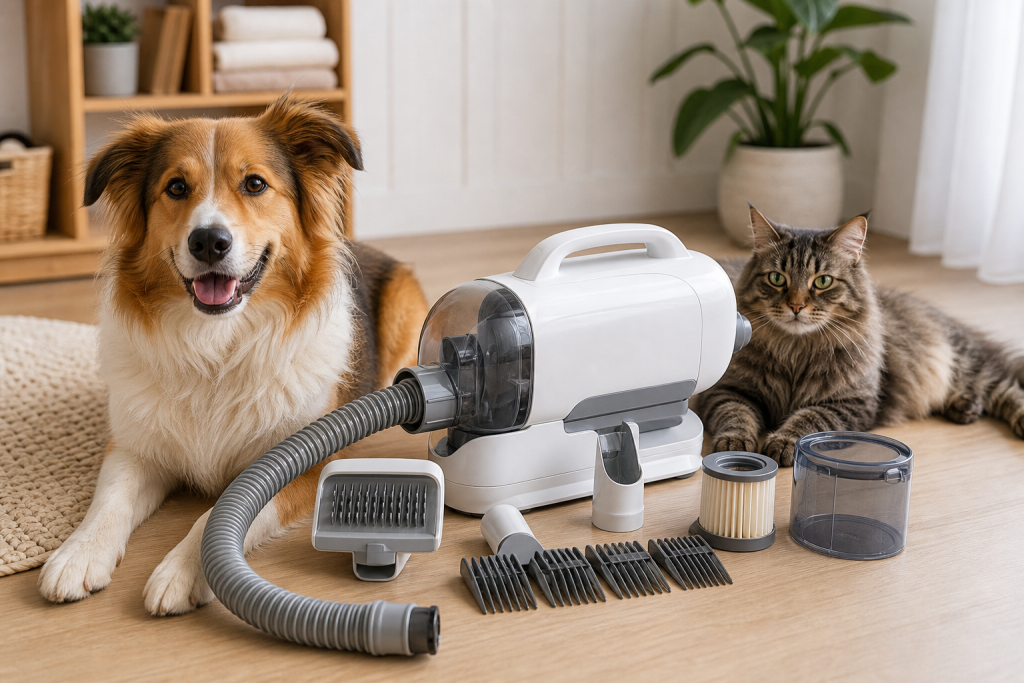
The catch is that a grooming vacuum is not just a brush. It is a motor, hose, filter, dust cup, clipper set and pet-training problem in one box.
Why this deal is showing up now
Spring and summer shedding, at-home grooming habits and pet-tech marketing all push these kits into deal pages. Many listings bundle a vacuum base with slicker-style brushes, deshedding heads, clippers, guard combs and small detail tools. That bundle can be useful for some homes, especially for dogs that already tolerate brushing and household noise.
It can also be overkill. The American Kennel Club says grooming needs vary by breed, coat type and size, and it recommends checking with a groomer, breeder or veterinarian before buying tools if you are unsure. ASPCA grooming guidance also keeps the focus on regular brushing, safe bathing and species-appropriate products, not on one gadget doing every job.
The checkout checks that matter most
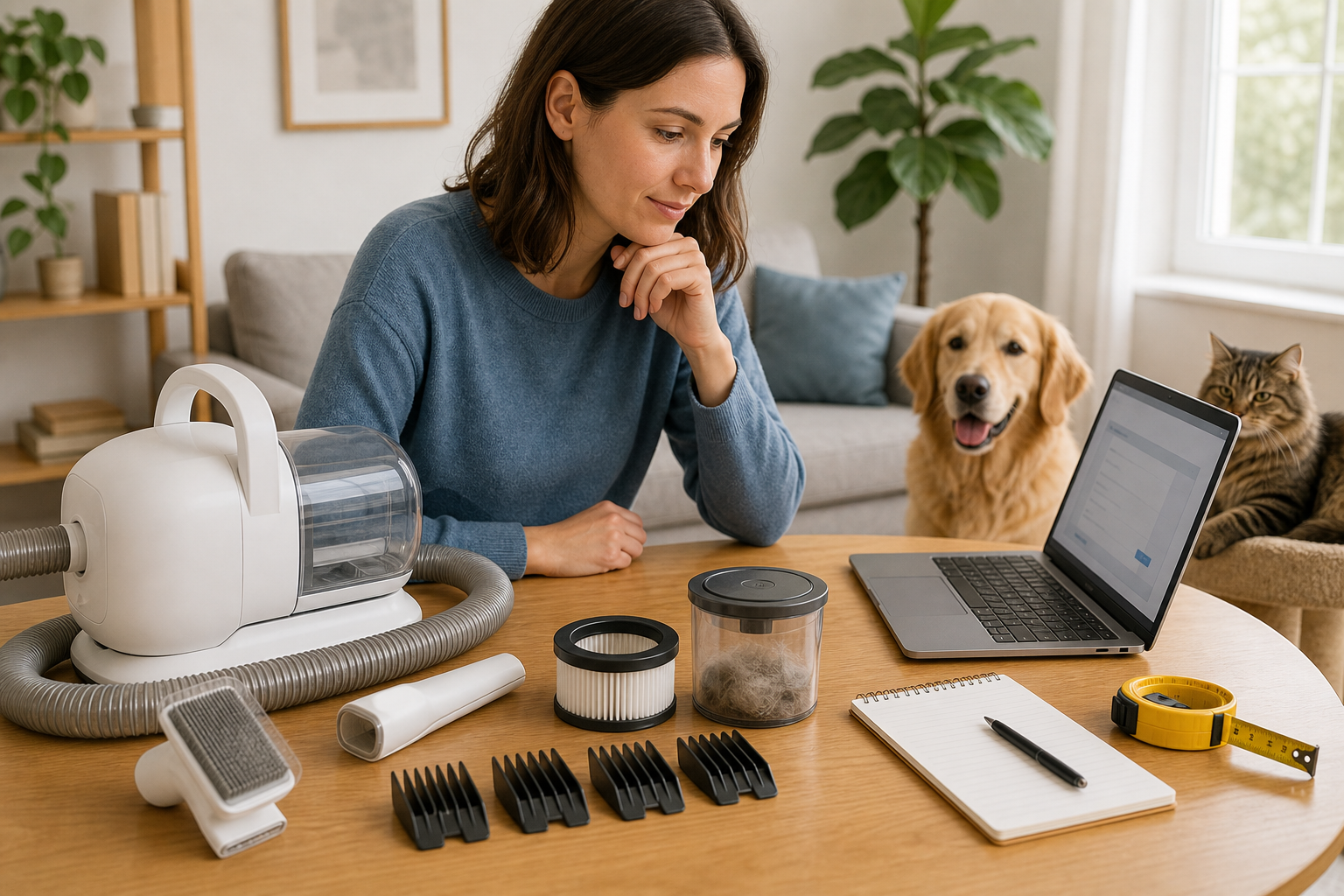
Noise and pet tolerance: Do not treat a “quiet” claim as proof your pet will accept the tool. Look for return terms that still apply after careful indoor testing, and introduce the motor gradually with treats, distance and short sessions. If your pet panics, hides, bites, scratches or cannot settle, the kit is not a bargain.
Coat type: A vacuum brush that works on a double-coated dog may be the wrong tool for a short smooth coat, a tightly curled coat or a cat with mats. Mats, sore skin, wounds, sudden hair loss or painful areas are not checkout problems. Stop and ask a veterinarian or qualified groomer before using blades or suction over those spots.
Clipper attachments: If the kit includes clippers, check whether the blade, guards and replacement parts are proprietary. A low purchase price can become frustrating if a cracked guard, dull blade or missing charger cannot be replaced later.
Filters and dust cups: The fur has to go somewhere. Check the dust-cup capacity, washable-filter instructions, HEPA-style filter replacement availability and whether the seller stocks filters separately. A kit with no replacement filters listed is risky for heavy shedders.
Hose length and storage: A short hose can put the motor too close to your pet. A large base can be annoying to store. Measure where you actually groom, especially if you use a bathroom, laundry room, patio or small apartment.
Electrical safety: Keep cords, hoses and powered clippers away from water. A grooming vacuum does not belong in a wet bath area unless the manufacturer clearly says the setup is designed for that use.
When the discount is actually useful
A grooming vacuum deal is strongest when you already know your pet tolerates brushing, you have a predictable shedding problem, and the kit includes the exact attachments you will use. For example, a long-haired dog that sheds heavily between professional grooms may benefit more than a short-haired pet that only needs a weekly brush.
It is weaker when the bundle is full of tools you will never touch. Nail grinders, clippers and extra heads sound valuable, but only if you are comfortable using them safely. AKC’s grooming guidance tells owners to use the right tools and to get help from veterinary staff or groomers for tasks that are difficult or risky.
Deal and coupon traps to verify
Before paying, compare the final cart price with the real cost of ownership:
- Does the coupon apply to the kit you actually want, or only to a different model?
- Are filters, blades, guard combs, hoses and chargers sold separately?
- Does the return window allow enough time for slow pet introduction?
- Who pays return shipping if the unit is bulky or opened?
- Is the seller the brand, a known retailer or a marketplace storefront with unclear support?
- Do the reviews mention noise, weak suction, overheating clippers, missing parts or filter shortages?
The FTC’s online shopping advice is useful here: read reviews from more than one place, compare sellers, check shipping promises and understand return terms before you order. For powered pet products, it is also smart to check whether the company explains warranty support and replacement-part availability clearly.
What to avoid
Avoid any listing that makes a grooming vacuum sound like a safe substitute for professional grooming in every situation. It is a home maintenance tool, not a fix for severe matting, skin irritation, wounds, ear problems or behavior that makes grooming unsafe.
Be cautious with vague “works for all pets” claims. Cats, anxious dogs, senior pets and pets with pain or mobility problems may need a slower plan or professional help. ASPCA’s cat grooming guidance warns that if a cat fights grooming and injury could occur, owners should make an appointment with a professional groomer or veterinarian.
Also avoid buying only by suction number. High suction is not helpful if the brush scratches, the clipper guards do not fit, the hose scares your pet, or the filters disappear from stock.

Pet grooming vacuum FAQ
Is a grooming vacuum better than a deshedding brush?
Not always. A grooming vacuum can capture loose fur while you brush, but a simpler brush may be cheaper, quieter and easier for some pets. The better buy depends on coat type, tolerance and how often you will use it.
Can I use a dog grooming vacuum on a cat?
Only if the product is suitable for cats and your cat can tolerate the sound and handling. Many cats dislike powered grooming. If your cat resists strongly or has mats, ask a professional groomer or veterinarian instead of forcing the session.
Should I buy the cheapest kit?
Usually no. A cheap kit can cost more if filters, blades or hoses are hard to replace. Check replacement parts and returns before you compare the discount.
Does a grooming vacuum replace a groomer?
For some pets, it may reduce loose hair between appointments. It does not replace professional help for difficult coats, heavy matting, painful skin, nail issues or pets that become unsafe to handle.
Sources
Last checked: 2026-06-03 22:33 CEST, Europe/Rome.
- American Pet Products Association, U.S. Pet Industry Reaches $158 Billion in 2025, Poised for Continued Growth in 2026
- American Kennel Club, How to Groom a Dog at Home
- ASPCA, Dog Grooming Tips
- ASPCA, Cat Grooming Tips
- FTC Consumer Advice, Online Shopping
- FTC, Smart Products Surveyed Fail to Provide Consumers with Information on How Long Companies will Provide Software Updates
- Chewy Return Policy
- Petco Return Policy