
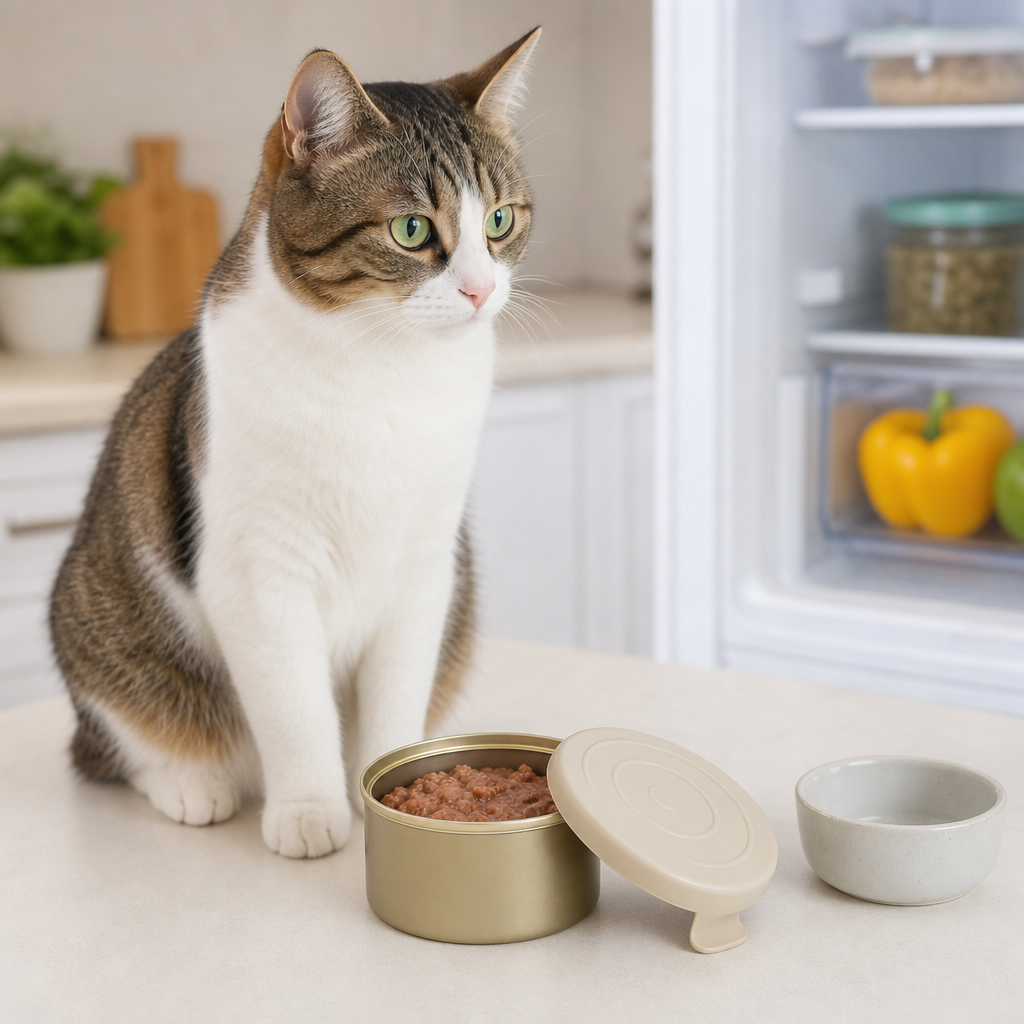
#cat food can lids
#pet deals
#pet food storage
#wet cat food
A cheap cat food can lid is only a good deal if it actually seals the cans you buy, cleans easily and helps you refrigerate leftovers promptly. The mistake is treating a multipack lid set like a generic kitchen gadget, then finding out it pops off 3-ounce cans, traps odors or lets wet food dry out before the next meal.
This matters more during summer deal season because many cat owners are trying to stretch wet food without wasting half-opened cans. Food safety sources are clear on the big rule: unused wet or moist pet food should be sealed and refrigerated quickly, with the refrigerator kept at 40°F or below. The lid is not the safety system by itself, but the wrong lid makes the safe routine harder to follow.
Why This Tiny Accessory Deserves a Checkout Check
Wet cat food is often sold in small cans, variety packs and larger economy cans. That makes can lids look like an easy add-on, especially when a marketplace listing promises a universal fit. The trouble is that “universal” can still mean a loose seal on the can size you use most.
The real value is not the sticker price of the lid. It is whether the lid prevents drying, odor transfer and spills while still being simple enough that you use it every time. If you have to wrestle with it, wash it by hand after every meal or wrap the can anyway, the bargain disappears.
The Fit Detail Most Cat Owners Miss
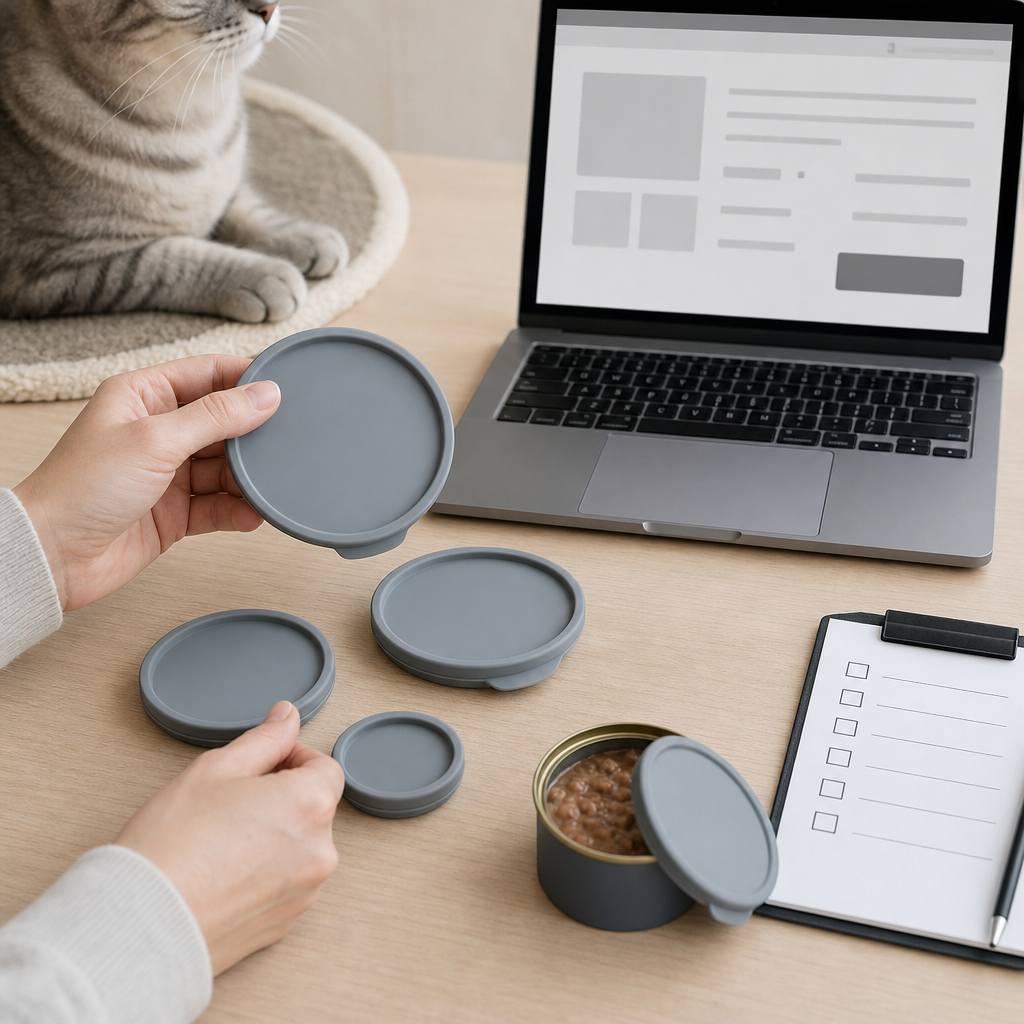
Before buying, check the can sizes in your pantry. Common cat-food cans include small single-serve sizes and larger cans used across cat and dog food. A lid set with several rings may fit more sizes, but only if the rings match the actual rim diameter and the silicone has enough grip to stay put when the can is moved in the fridge.
Do not rely only on product photos. Look for the stated can sizes, not just broad words like “standard” or “most cans.” If your cat eats a brand with a pull-tab rim, a tapered can or a very small can, read recent reviews for that exact use case. A lid that works on a 5.5-ounce can may be annoying on a 3-ounce can.
What to Verify Before You Pay
Start with the seal. A useful lid should grip the can rim without sagging into the food or popping loose when you pick up the can. Flexible silicone often handles different sizes better than rigid plastic, but the product still needs a raised edge or pull tab that your household can use easily.
Next, check cleaning. Wet cat food is oily and aromatic, so a lid that holds odor or has deep grooves can become unpleasant fast. Dishwasher-safe claims are helpful only if the lid shape does not trap residue and if the listing tells you the material is intended for food contact.
Then check quantity. A four-pack is useful for multi-cat homes or rotation feeders, but a big multipack can be wasteful if most lids are the wrong size. For a single cat eating one can at a time, two well-fitting lids may beat a bargain bundle of lids that clutter the drawer.
The Food-Safety Part the Lid Cannot Fix
The FDA says leftover canned or pouched pet food should be refrigerated or thrown out, and the refrigerator should be set to 40°F or below. The AVMA also advises sealing and refrigerating unused wet or moist pet food or treats promptly at 40°F or below.
That means a can lid is not permission to leave wet food out on the counter. It also does not rescue food that has been sitting in a warm room, sitting in a bowl for too long or stored in a fridge that is not cold enough. When in doubt about your cat’s food, follow the food label and ask your veterinarian about feeding routines for your own pet.
Deal Checks That Matter More Than the Discount
If the lid is bundled as an add-on during a pet food order, compare it against your actual feeding pattern. The cheapest lid may be fine for one can size, while a slightly better set may cover 3-ounce, 5.5-ounce and larger cans without buying another pack later.
At checkout, verify:
- Can-size compatibility: match the listing to the can sizes you already buy.
- Return rules: small kitchen and pet accessories may be cheap enough that returns are not worth the time, so buy carefully.
- Shipping threshold: do not add an unnecessary multipack just to reach free shipping if it costs more than the shipping fee.
- Autoship bundles: a lid is a one-time accessory, not something that should quietly become part of a recurring pet-food order.
- Material and cleaning claims: look for food-contact material language and practical cleaning instructions.
What to Avoid
Avoid lids that hide the size chart, rely only on decorative colors or make freshness claims without explaining fit. Also avoid using a cracked, warped or chewed lid. A damaged lid may not seal, and chewed pieces can become a separate hazard.
Do not store open wet food in a warm garage, on top of the fridge or in a cabinet because the can has a lid. Unopened canned pet food belongs in a cool, dry place, but opened wet food is a refrigerator item. If your cat regularly leaves food behind, the better purchase may be smaller cans or a feeding plan discussed with your veterinarian, not a larger lid set.
Quick Answers
Are silicone cat food can lids worth it?
They can be, if they fit your can size tightly, clean easily and make it easier to refrigerate leftover wet food promptly. They are not worth much if you still need plastic wrap to keep the can covered.
Can I use one lid for dog and cat food cans?
Sometimes. Many sets are sold for multiple pet-food can sizes, but you should check the exact sizes and rim shape before assuming one lid fits every can in the house.
How long can opened wet cat food stay in the fridge?
Follow the food label first. Reliable pet-food handling guidance says opened wet or moist pet food should be sealed and refrigerated promptly at 40°F or below, and some manufacturers advise using refrigerated wet food within a few days.
Is plastic wrap just as good?
It can work as a temporary cover, but a reusable lid may be neater, easier and less wasteful if it seals well. If a lid does not seal, plastic wrap may outperform it.
Sources
- FDA, Proper Storage of Pet Food & Treats.
- FDA, Tips for Safe Handling of Pet Food and Treats.
- American Veterinary Medical Association, Safe handling of pet food and pet treats.
- AAFCO, Product Handling Safety.
- Purina, Cat Food Storage: How to Store Cat Food.
- Amazon Best Sellers and live listings were checked only as retail-demand and can-size-claim signals for pet food can covers, not as proof that any specific product is best.
Sources last checked June 19, 2026, 13:34 Europe/Rome.