

#cat grooming
#cat nail caps
#cat scratching
#pet deals
#pet supplies
Cat nail caps can be a useful short-term buy, but the deal can backfire if the caps are the wrong size, the adhesive is poor, or you use them instead of giving your cat a place to scratch. They are meant to cover trimmed claws temporarily, not stop the instinct to scratch. Before checkout, check sizing, replacement timing, return terms, and whether your cat is calm enough for safe application.
That matters now because small pet-grooming products are easy to toss into a cart during a sale, especially when a shredded sofa or a new rental rule makes the problem feel urgent. Nail caps look inexpensive next to a cat tree or a professional grooming visit, but they become wasteful if half the pack falls off, your cat hates paw handling, or you still have to buy scratching posts afterward.
What cat nail caps actually do
Nail caps are small synthetic covers that are glued over a cat’s trimmed claws. The American Veterinary Medical Association lists nail caps as one alternative to declawing, alongside scratching posts, nail trimming, pheromone products, environmental enrichment and behavior work. FelineVMA’s alternatives-to-declawing resource says temporary synthetic nail caps are glued over a cat’s nails to help reduce human injury and household-item damage, and usually need reapplication every 4 to 6 weeks.
That replacement cycle is the first checkout clue. A low upfront price is not the whole cost if you need multiple sizes, fresh adhesive, professional help or repeated replacements. Nail caps also do not remove the need for scratching surfaces. International Cat Care notes that claw trimming may reduce immediate damage, but it does not meet the cat’s need to scratch.
The size chart is the deal breaker
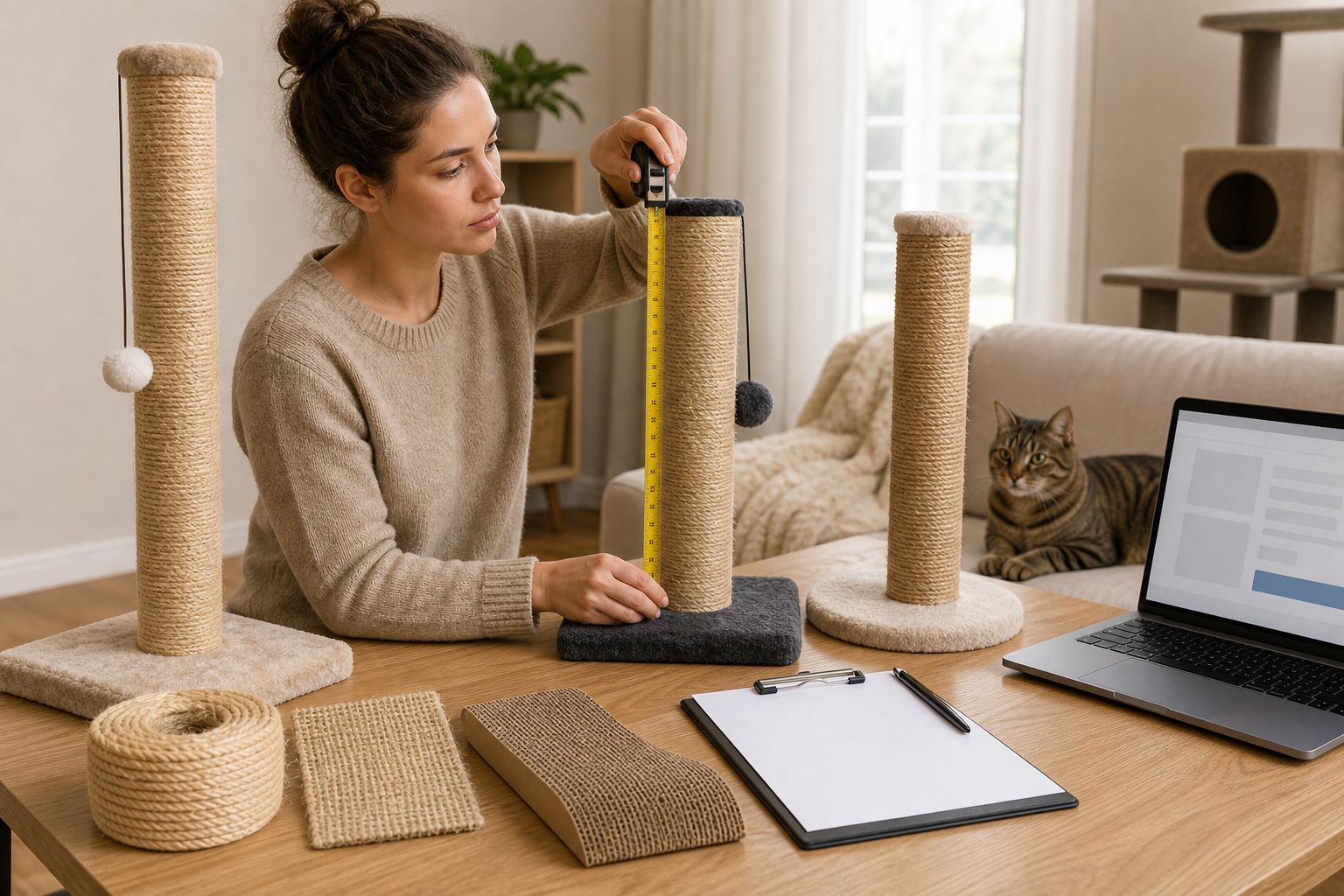
Most nail-cap packs are sold by size, often using a cat’s weight as a rough guide. That is only a starting point. Cats with small paws, thick claws, senior-cat nail changes or very fine kitten claws may not match the simple chart on the listing.
Before you buy, check whether the product explains how the cap should sit on the claw, whether trimming is required first, and whether the seller offers more than one size. A cap that is too large can twist, catch, or fall off quickly. A cap that is too small may not seat properly after the nail is trimmed. If your cat fights nail trims, a bulk pack is not a bargain until you know the first set can be applied calmly.
What to check before checkout
- Size options: Avoid one-size listings unless the measurements are clear enough for your cat’s claws.
- Adhesive details: Look for pet-use instructions, sealed adhesive, applicator tips and warnings. Do not assume any household glue is appropriate.
- Replacement count: Compare the number of caps with the expected 4 to 6 week replacement cycle, not just the price per pack.
- Front claws or all claws: Many furniture problems involve front claws. Buying for all four paws may be unnecessary unless your veterinarian or groomer has a specific reason.
- Application tolerance: If your cat will not tolerate paw handling, budget for a groomer or veterinary office instead of forcing a do-it-yourself job.
- Return and refund terms: Grooming consumables may not be returnable once opened, even when the size is wrong.
- Scratching setup: Add a sturdy vertical or horizontal scratcher if your home does not already have one near the problem area.
Why nail caps do not replace a scratcher
Scratching is normal cat behavior. Cat Friendly Homes, a program from feline veterinary professionals, explains that continued scratching can be linked to stress, anxiety, attention seeking or a lack of security in the cat’s environment. International Cat Care also frames scratching as a behavior that needs appropriate outlets, not just a surface-damage problem.
That means the better purchase may be a scratcher, not more caps. If your cat scratches carpet, a horizontal pad may work better than a tall post. If your cat stretches up a sofa arm, a tall, stable vertical post near that sofa may be more useful. Nail caps can reduce damage while you redirect the behavior, but they are a poor stand-alone fix if the cat still has nowhere satisfying to scratch.
Deal and coupon checks
A coupon code should not decide the product. Check the final cart for shipping, multi-pack quantity, adhesive count and whether the cap size can be exchanged. If the deal pushes a large mixed-color pack but your cat needs a specific size, a smaller starter pack may be the smarter buy.
Chewy’s return policy says most items can be returned within 365 days, but prescriptions are excluded and the company asks shoppers to contact customer service for returns. PetSmart’s return guidance says online purchases can generally be returned in store, but the product must be in original packaging and some charges may not be refunded. For small grooming consumables, read the retailer’s current terms before opening the pack.
What to avoid
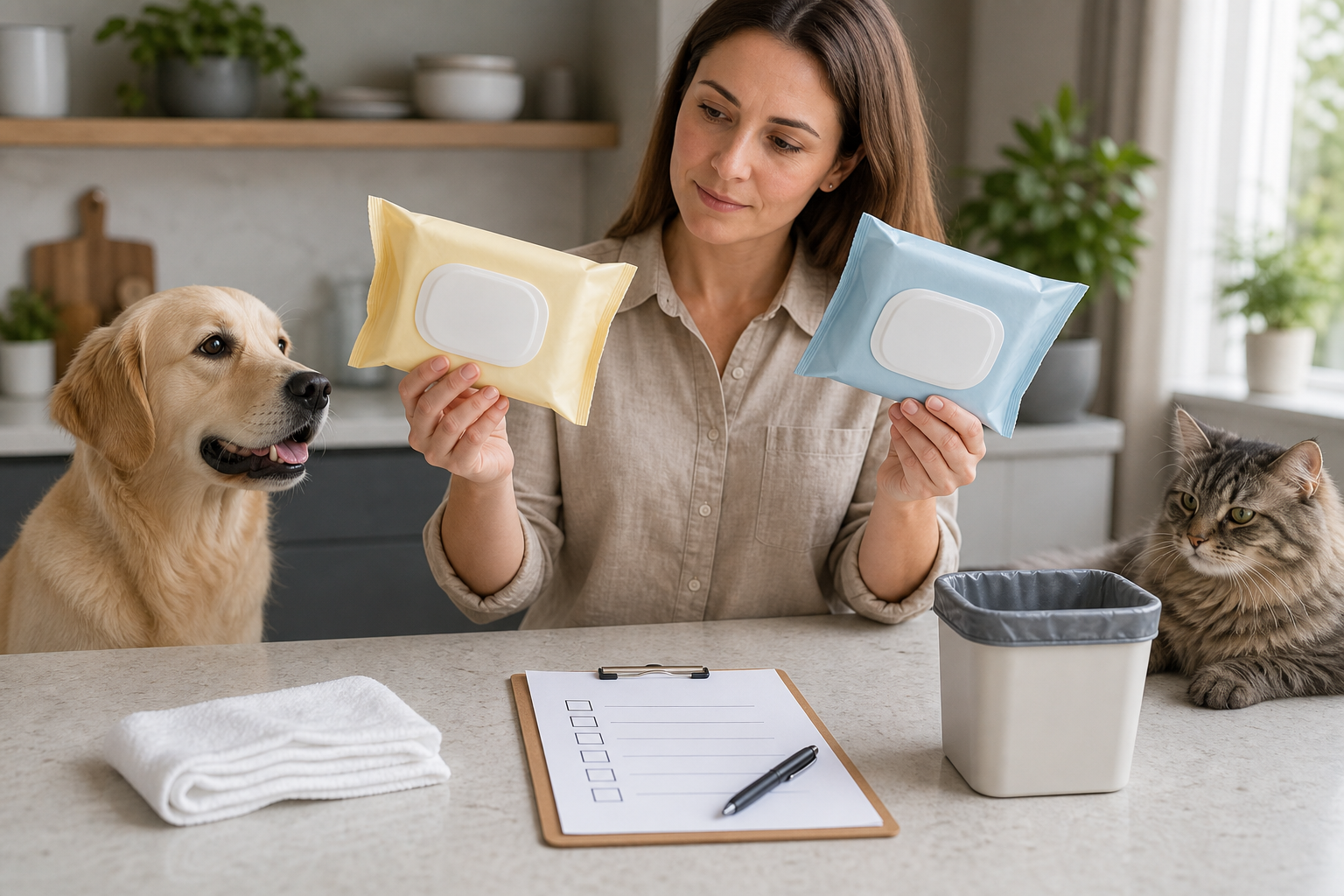
Do not buy nail caps because a listing promises to “stop scratching.” They blunt the damage from claws, but your cat can still scratch and still needs a place to do it. Avoid listings with vague material claims, no adhesive information, no size guidance or no clear seller identity.
Do not apply caps over overgrown, split, painful or irritated claws. If your cat is limping, biting at the paws, suddenly scratching much more than usual, or reacting strongly to normal paw handling, ask your veterinarian before buying more grooming products. Also avoid using nail caps as a way to skip routine nail checks. Caps that stay on too long can hide nail growth and make it harder to spot a problem early.
When nail caps make sense
Nail caps can make sense for a calm indoor cat, a temporary furniture-protection problem, a household with delicate skin concerns, or a transition period while you add better scratching surfaces. They are less convincing for cats that go outdoors, cats that panic during paw handling, cats with paw pain, or homes that still lack stable scratchers.
The best deal is usually a small, correctly sized starter pack plus a proper scratcher. If that works, you can reorder with more confidence. If it does not, you have not paid for a drawer full of caps your cat will never wear.
Quick answers
Are cat nail caps permanent?
No. FelineVMA’s declawing-alternatives resource describes them as temporary and says they usually need reapplication every 4 to 6 weeks.
Do nail caps stop scratching behavior?
No. They cover the claw tips, but they do not remove the cat’s natural need to scratch. Keep suitable scratching posts or pads available.
Should I buy the biggest multipack first?
Usually not. Start with the best size match and a small pack if your cat has never worn caps before.
When should I ask a vet?
Ask your veterinarian if your cat has paw pain, nail damage, sudden behavior changes, severe stress, or a strong reaction to normal nail handling.
Sources
Last checked: June 11, 2026, 19:34 Europe/Rome.