
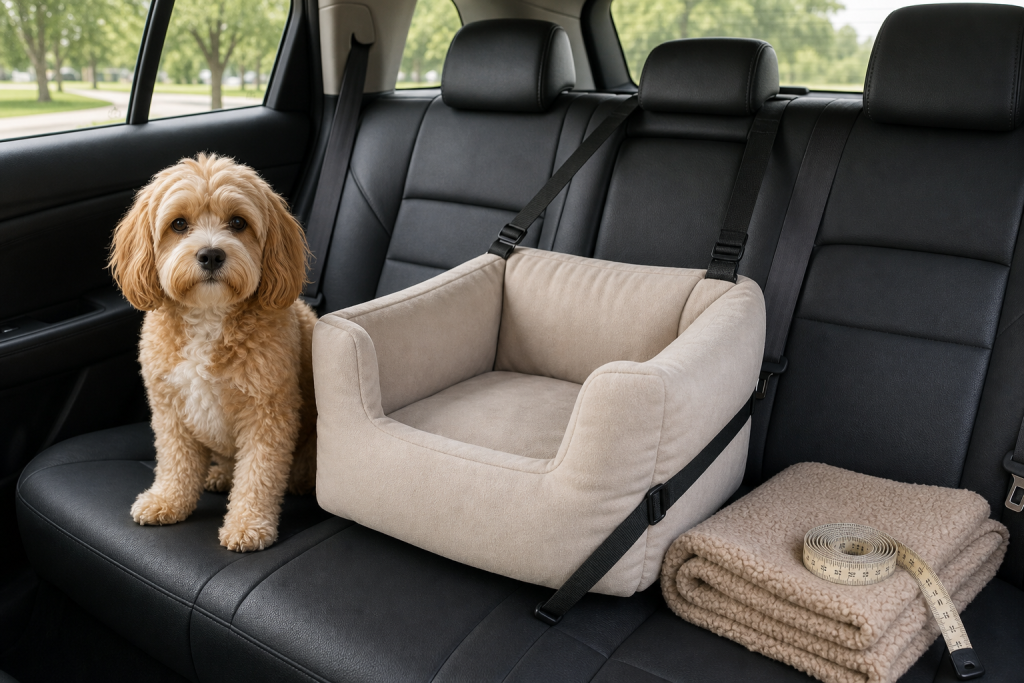
#crash tested
#dog car bed
#dog car seat
#pet deals
#pet travel
A plush dog car bed can be a nice comfort upgrade, but it is not automatically a crash-safety product. Before you buy one, check whether it is only a soft booster or whether it works with a real restraint system, because comfort straps and marketing photos do not prove crash protection.
That matters now because summer road trips are pushing more owners toward car-friendly beds, booster seats and travel bundles. The problem is that many listings mix comfort language with safety language, so a discount can look better than it is.
Why the car-bed deal needs a second look
Dog car beds usually sell the same promise: a calmer pet, a cleaner back seat and a more comfortable ride. Those are useful goals. They are not the same as tested crash protection.
The Center for Pet Safety describes pet travel seats as products that hold or elevate a pet, but says they do not offer full containment. Its pet travel seat pilot study found failures in several tested booster-style products, including failed connections and seats becoming unrestrained during impact testing. No real dogs were used in those crash tests.
Cornell’s Riney Canine Health Center also advises that loose pets are a driver distraction and are at risk during sudden stops or accidents. It points owners toward crash-tested harnesses, seat belts or travel crates, and says a carrier on the floor behind the front seats can be a safer fallback when a crash-tested option is not available.
What to check before checkout
Start with the product’s real purpose. If the listing calls it a bed, lounger, hammock, booster or tote, assume it is a comfort product until the maker shows credible testing details.
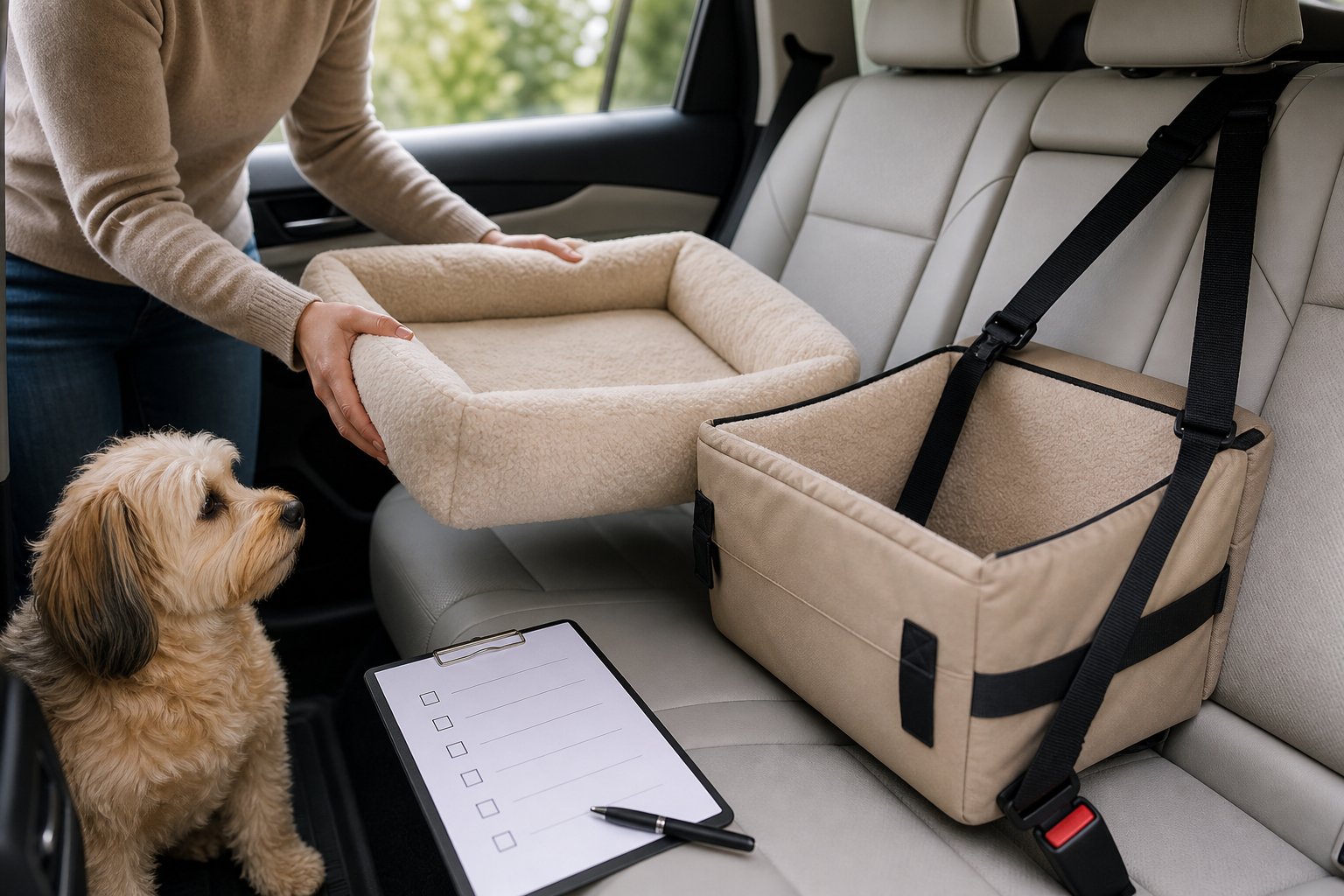
- Crash-testing claim: Look for the exact test standard, lab or certification, not a vague phrase like “safety tested.”
- Restraint method: Check whether the dog is restrained by a crash-tested harness, a carrier, or only a small internal tether. Never clip a travel tether to a collar.
- Vehicle fit: Measure the back seat, seat-belt path and headrest area before ordering. A bed that slides, tilts or blocks the belt path is not a bargain.
- Dog fit: Use the internal dimensions, not just the advertised weight limit. Your dog should be able to settle without hanging over the side.
- Cleaning: Confirm the cover comes off, dries fully and can handle muddy paws, drool and motion-sickness cleanup.
- Returns: Check whether the retailer accepts the item after fitting it in the car, especially if the product is bulky or has been assembled.
Where the deal can stop being a deal
The cheapest car bed can cost more if it forces a second purchase. You may still need a separate crash-tested harness, a properly secured carrier, a seat protector, extra washable covers or a different size after you measure the back seat.
Return policies can help, but read them before you rely on them. Chewy says eligible returns can be made within 365 days and that return shipping is free. Other retailers may use different windows, proof-of-purchase rules and exceptions, so check the current return page and the cart terms before buying a bulky travel item.
Also check shipping timing. If you are buying before a road trip, a discounted bed that arrives after your departure is just clutter. Do a short test ride before the trip, not the morning you leave.
What to avoid
Avoid listings that show a dog clipped to a collar, claim “crash safe” without details, or rely only on fluffy sidewalls as proof of protection. Avoid front-seat setups unless a qualified safety source and your vehicle manual support that use, because airbags and occupant-compartment intrusion can add risk.
Do not treat a car bed as a cure for travel anxiety or motion sickness. Gradual acclimation can help many dogs, but Cornell advises owners to talk with a veterinarian when a dog drools, vomits or struggles with travel anxiety. The product choice should support safe travel, not replace veterinary guidance when a dog is distressed or sick.
A simple buying framework
If you mainly need comfort for a calm small dog on short errands, an easy-clean bed that fits the back seat may be reasonable as long as the dog is still restrained appropriately. If you want crash protection, shop for a certified carrier, crate or harness first, then add comfort around that system.
For larger dogs, skip the booster-seat promise and focus on a secure back-seat or cargo-area restraint that fits the dog’s body and the vehicle. A plush bed can sit nearby for rest stops or lodging, but it should not be the only thing keeping the dog in place.
Quick answers
Is a dog car bed the same as a crash-tested car seat?
No. Some products may have testing, but many plush car beds and booster seats are comfort products. Verify the specific claim before treating it as safety gear.
Can I use the little tether that comes with the bed?
Only if the maker’s instructions and a credible safety source support that setup. Do not attach a tether to a collar, and do not assume a thin internal strap provides crash protection.
Should the bed go in the front seat?
The back seat is usually the safer place to start. Cornell and CDC travel guidance both emphasize restraint and avoiding risky loose travel, and airbags can be dangerous for pets.
What is the best deal check?
Price the complete setup: bed, restraint, washable cover, return risk and shipping timing. If the product only solves comfort, do not pay safety-product money for it.
Sources
Last checked: June 11, 2026, 16:32 Europe/Rome.