
#dog boarding
#kennel checklist
#pet boarding
#pet travel supplies
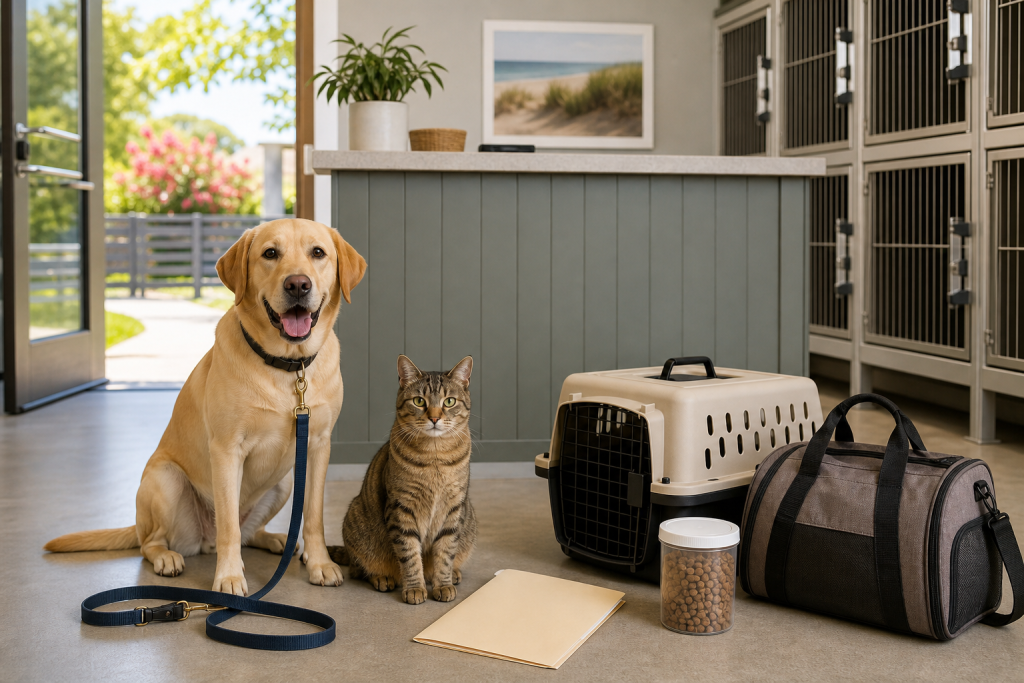
A cheap pet boarding slot can cost more at drop-off if the facility will not accept your dog or cat without the right records, preventives, packaging or add-on approvals. Before you pay a deposit or buy a boarding bundle, confirm the kennel’s vaccine rules, flea and tick policy, food-label requirements, medication fees, cancellation window and pickup times in writing. The lowest nightly rate is not a bargain if you have to rebook, pay rush vet fees or replace supplies the facility will not use.
Summer travel is the reason this matters now. Families are booking kennels, daycare stays and pet hotels while also buying carriers, food containers, calming items, flea prevention and extra supplies. Those purchases are useful only when they match the exact facility policy.
Why the boarding deal can change at check-in
Boarding facilities are not all using the same checklist. Some require proof of core vaccines, some add Bordetella or canine influenza for dogs in group settings, and some want proof that flea and tick prevention is current before a pet enters the building. AVMA vaccination guidance notes that Bordetella and canine influenza vaccines may be recommended for dogs that visit places where dogs gather, including boarding, daycare and training facilities.
That does not mean owners should choose vaccines from a shopping article. It means the checkout mistake is paying first and asking the kennel later. Ask the facility what it requires, then ask your veterinarian whether your pet’s current health, lifestyle and timing fit those requirements.
Check these before you reserve
Start with the record deadline. A kennel may need records uploaded before arrival, not shown from your phone at the door. Ask whether the facility accepts a vet invoice, a vaccine certificate, a portal screenshot or only a formal record from the clinic.
Then check timing. Some facilities want vaccines completed a certain number of days before the stay. If your pet is due for an appointment, a last-minute boarding discount can disappear once you add appointment availability, vaccine timing and paperwork delays.
For dogs, ask specifically about rabies, distemper/parvo combinations, Bordetella and canine influenza. For cats, ask about rabies and FVRCP requirements. Requirements vary by facility and location, so do not assume the checklist from one kennel applies to another.
Also ask about parasite rules. If the kennel requires flea and tick prevention, confirm whether it must be documented by your veterinarian, brought in the original package or simply current according to your own schedule. Do not apply or combine parasite products just to meet a boarding deadline without veterinary guidance.
The supplies that can trigger extra fees
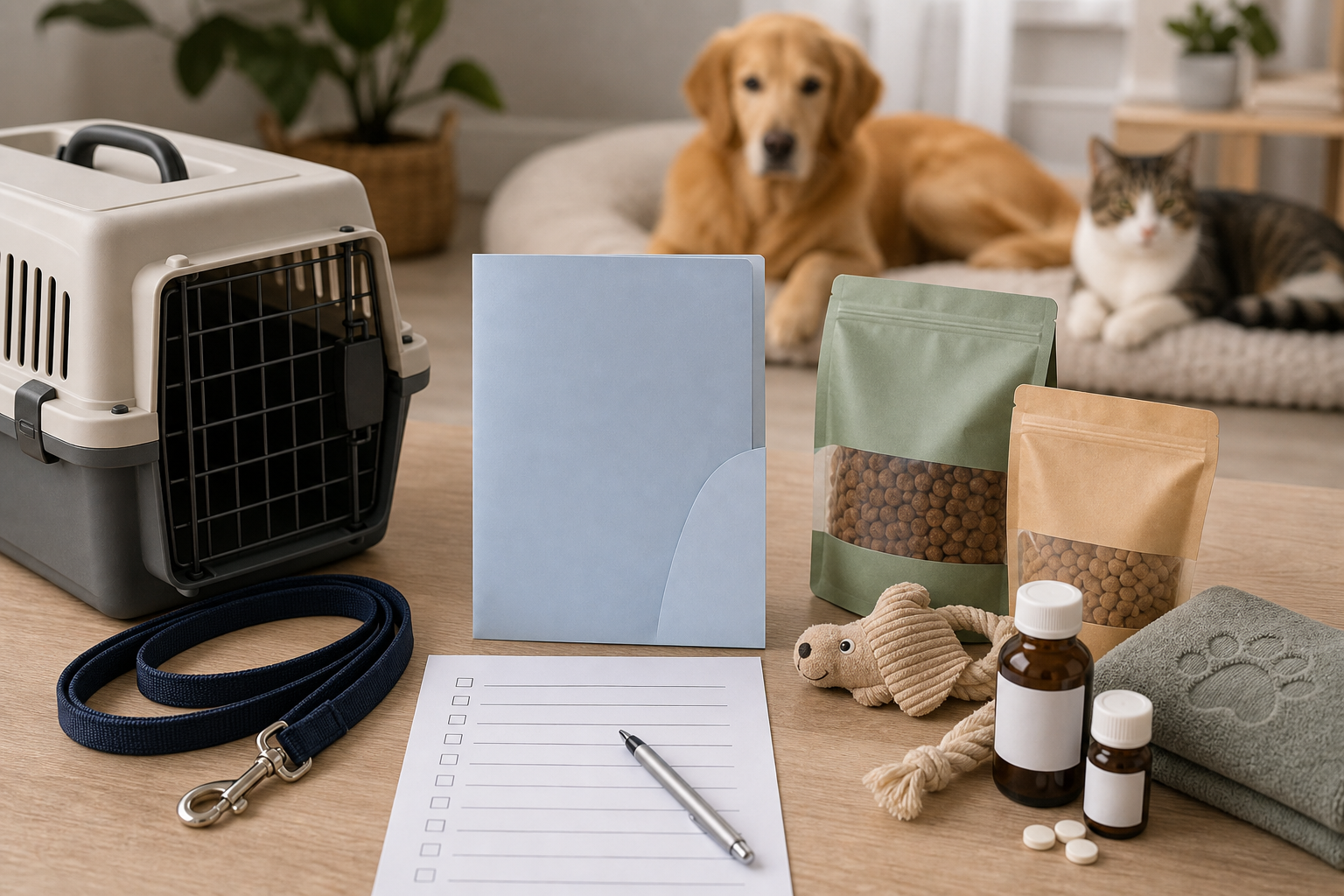
Food is the first hidden cost. AKC boarding guidance recommends packing extra food in case travel plans change. A facility may also ask for meals to be pre-portioned, labeled by day, sealed in a hard container or kept in the original bag. If you buy a cute travel pouch that cannot show the brand, formula or feeding instructions, the kennel may still ask you to repack.
Medication is another fee trap. Ask whether medication administration costs extra, whether supplements count, and whether every bottle must have the original label. Blank organizers may be convenient at home, but many facilities want clear instructions and original packaging. For any prescription, dosage change or sedative question, use your veterinarian’s instructions, not a product page or coupon listing.
Comfort items can help, but they should be washable, allowed by the kennel and easy to identify. A familiar blanket or toy may be useful, but do not send an expensive bed, fragile bowl or one-of-a-kind toy unless the facility says it is practical. Items can get soiled, misplaced or rejected for safety reasons.
Deal and coupon checks before paying
If a boarding facility, retailer or pet-service marketplace advertises a discount, check what the discount actually covers. A nightly boarding coupon may exclude daycare add-ons, medication administration, late checkout, bath services, holiday dates, trial days, temperament tests or extra pets.
For supplies, compare the cart against the boarding rules. A carrier deal is useful only if the carrier fits your pet and the trip. A food-container deal is useful only if the kennel will accept it. A calming product deal is not a boarding plan unless your veterinarian and facility both say it fits your pet’s situation.
Before checkout, verify the deposit rule, refund window, cancellation fee, holiday surcharge, pickup grace period and whether no-show charges apply. If you are buying food, bowls, labels, carriers or bedding from Chewy, PetSmart, Amazon, Walmart or another retailer, check shipping speed, return terms and whether opened food or pharmacy items can be returned. Do not assume a general coupon policy covers time-sensitive boarding purchases.
What to avoid
Avoid booking a kennel based only on price or photos. Ask how dogs and cats are separated, how feeding instructions are handled, what happens if a pet refuses food, and how the facility contacts you or your veterinarian if something changes.
Avoid last-minute product swaps. New food, new treats, new chews or unfamiliar calming items can create problems during a stay. If your pet has a medical condition, prescription diet, allergy, anxiety history or mobility issue, ask your veterinarian and the facility what they need before you buy supplies.
Avoid vague labels. Write your pet’s name on permitted items, but do not rely on a handwritten note when the facility requires formal directions. Keep a digital and printed copy of vaccine records, feeding instructions, emergency contacts and your veterinarian’s phone number.
A practical boarding checkout list
- Facility requirements received in writing before payment.
- Vaccination records checked against the facility deadline.
- Flea and tick policy confirmed without changing products on your own.
- Food packed in the required format, with extra meals for travel delays.
- Medication and supplement rules confirmed, including extra fees.
- Emergency contact and veterinary contact information included.
- Cancellation, deposit, late pickup and holiday surcharge terms checked.
- Supply purchases matched to the kennel’s actual rules.
Quick answers
Should I buy a premade pet boarding kit?
Only if it matches the facility’s rules. A generic kit can miss required food labels, record storage, medication packaging or carrier details.
Can I rely on my pet’s vaccine tag?
Usually no. Ask the boarding facility what proof it accepts. Many facilities want written veterinary records, not just a collar tag.
Are boarding vaccine rules the same everywhere?
No. Requirements vary by facility, pet species, local rules and risk level. Confirm with the kennel and your veterinarian before you book.
Is a boarding discount worth using?
It can be, but only after you check exclusions, deposit terms, add-on fees and whether your pet is eligible for the stay.
Sources
Sources last checked: July 25, 2026, 19:32 Europe/Rome.
- American Veterinary Medical Association, Vaccinating your pet
- American Veterinary Medical Association, Disease risks for dogs in social settings
- American Veterinary Medical Association, Traveling with your dog or cat
- American Kennel Club, What to Know and Look for When Boarding Your Dog
- American Kennel Club, What to Pack When You Board Your Dog
- Chewy return policy, checked for supply-return context, not as a boarding recommendation
- PetSmart returns and refunds, checked for supply-return context, not as a boarding recommendation
- FDA animal and veterinary recalls and withdrawals, checked during topic selection
- AVMA recalls and safety alerts, checked during topic selection
- CPSC recalls, checked during topic selection