
#aquarium monitor
#fish supplies
#pet tech
#water test kits
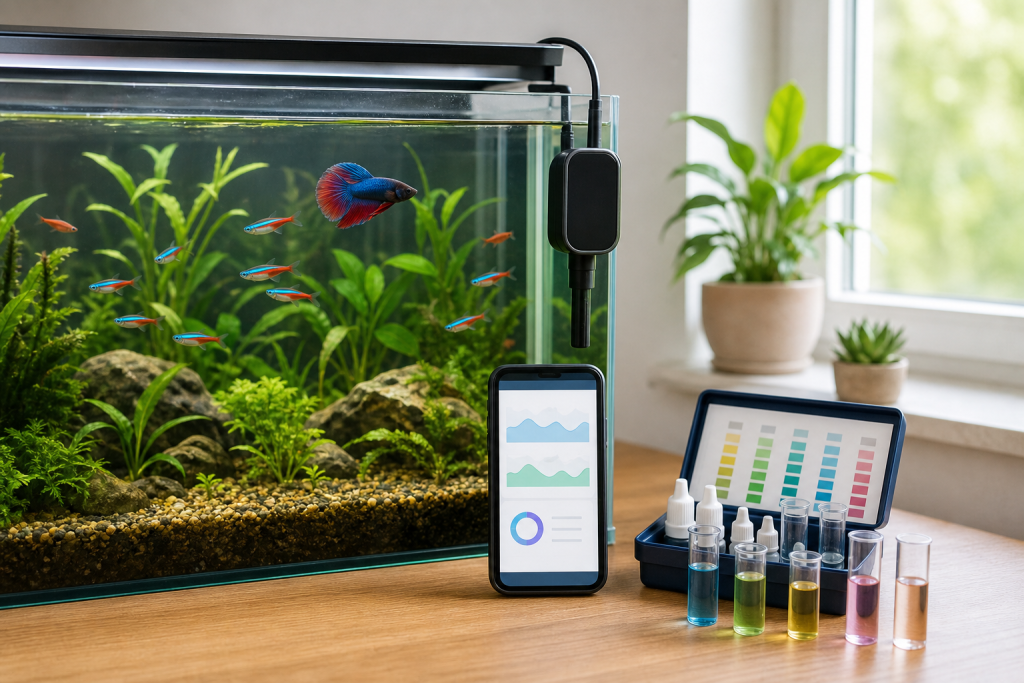
A smart aquarium monitor can be worth buying, but only if it checks the water problems your tank actually faces and you budget for the parts that keep the readings useful. The mistake is treating a phone alert as a replacement for routine water testing, filter maintenance and basic fishkeeping checks. Before paying for a deal, compare the sensor list, refill requirements, app limits and return window against a simple manual test kit.
That matters now because pet-tech deals are no longer limited to dog cameras and cat feeders. Aquarium shoppers can find app-connected probes, digital pH pens, temperature monitors and full water-quality systems beside ordinary liquid test kits. The expensive option looks smarter at checkout, but it may still leave gaps if it cannot measure ammonia, nitrite or nitrate for your tank type.
What a Smart Monitor Can Actually Help With
The strongest case for an aquarium monitor is consistency. A device that watches temperature, pH or free ammonia can flag a change while you are away from the tank, and that can be useful in a busy home, a new setup or a tank with sensitive fish.
Seneye describes its hobbyist monitor as tracking pH, free ammonia and temperature in real time, with alerts before water quality harms fish. That is a useful feature set, but it is still a feature set. It does not mean every smart monitor tests every parameter, works without replacement consumables or replaces the judgment needed to maintain a tank.
The Checkout Mistake: Buying the Screen, Not the Test Coverage
The most expensive-looking smart aquarium deal can still be the wrong buy if it only duplicates one thing you already measure. Start with the problems that routine fishkeeping sources emphasize: water quality, temperature stability, filtration, ammonia, nitrite and nitrate.
Merck Veterinary Manual notes that poor water quality is the most common cause of environment-related disease in fish, and it recommends routine monitoring of water conditions. API’s Freshwater Master Test Kit, for example, measures pH, high range pH, ammonia, nitrite and nitrate in freshwater aquariums. That comparison is the key shopping lesson: a smart monitor may be convenient, but a basic liquid kit may cover more chemistry for less money.
What to Check Before You Buy
- Measured parameters: Confirm exactly what the device reads. Temperature and pH are useful, but they are not the same as ammonia, nitrite and nitrate coverage.
- Freshwater, saltwater or pond use: Do not assume one probe fits every setup. Check whether the monitor, strips, slides or reagents match your tank type.
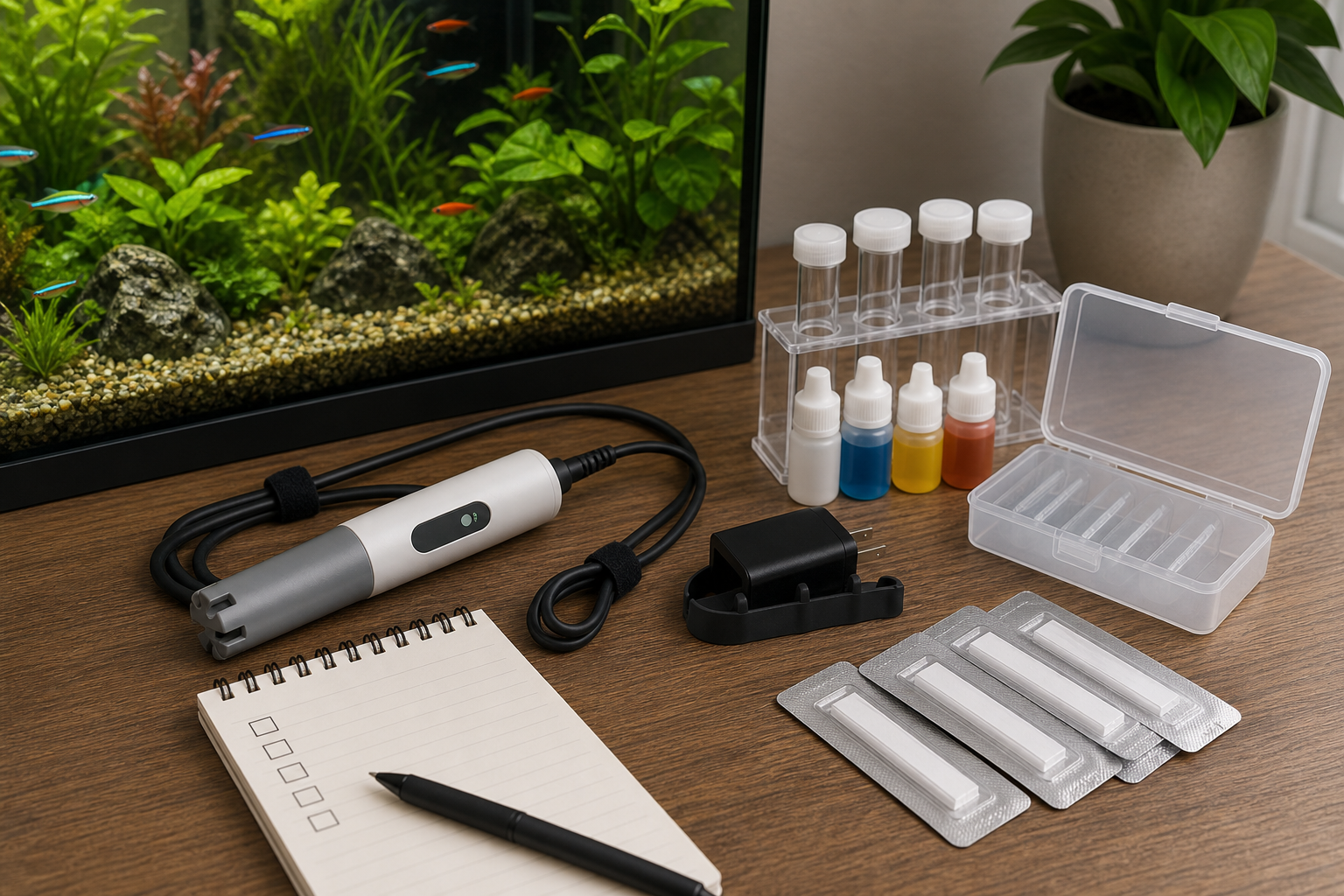
- Replacement parts: Look for sensor slides, probe calibration solutions, test reagents, batteries, suction cups, mounts and power adapters before judging the sale price.
- App and alert limits: Check whether alerts need Wi-Fi, a hub, cloud access, a subscription or a phone nearby.
- Manual backup: Keep a separate test kit or thermometer for cross-checks, especially when readings seem odd or fish behavior changes.
- Return window: A water monitor may need setup time, calibration time or several days of use before you know whether the app and probe work in your tank.
When the Cheaper Kit Is the Smarter Deal
A liquid test kit or test-strip set can be the better first purchase for a new fishkeeper because it teaches what the numbers mean and often covers several parameters at once. Chewy and PetSmart both list aquarium water test kits as ordinary fish-supply purchases, not specialist lab equipment, so it is worth comparing cost per test before jumping to a connected gadget.
The smart monitor starts to make more sense when you already test regularly and want alerts, trend history or easier checks between manual tests. It is less convincing when the deal page hides the refill cost, the app reviews mention connection problems, or the device measures only one parameter you already check reliably.
Coupon and Deal Checks That Matter
Do not judge an aquarium-monitor deal by the device discount alone. Add the first six to twelve months of consumables, calibration fluid, backup test kits and shipping. If a coupon requires Autoship, a minimum cart or a marketplace seller, verify whether replacement slides or reagents qualify before you count the savings.
Also check whether the return policy changes once the item has touched aquarium water. Keep packaging until the device is paired, calibrated and reading consistently. For marketplace listings, favor sellers with clear warranty support and avoid vague “7-in-1” claims that do not name the exact parameters.
What to Avoid
Avoid any listing that promises perfect water without explaining what is being measured. Be cautious with app screenshots that show colorful charts but no sensor list. Skip open-box probes unless the seller clearly states what consumables are unused, which parts are included and whether the warranty transfers.
Do not use a gadget alert as veterinary or emergency guidance. If fish are gasping, dying, showing sudden behavior changes or the water test looks dangerous, treat the device as one data point and ask an aquatic veterinarian, experienced fish professional or reputable local aquarium store for help.
Quick Answers
Do smart aquarium monitors replace water test kits?
Usually no. They can add alerts and trend tracking, but many do not measure every parameter a manual kit covers.
What should a beginner buy first?
For many freshwater beginners, a reliable manual kit that covers pH, ammonia, nitrite and nitrate is the more practical first purchase. Add smart monitoring later if you want alerts or history.
Are aquarium monitor subscriptions always required?
No, but some systems depend on replacement sensor slides, apps, hubs or cloud features. Check the full ownership cost before treating the hardware price as the real price.
Sources
Sources last checked: July 25, 2026, 16:36 Europe/Rome.
- Seneye aquarium monitor system
- API Freshwater Master Test Kit product information
- Merck Veterinary Manual, Providing a Home for Fish
- Chewy aquarium water test kit category, used as shopping-demand context
- PetSmart aquarium water quality testers category, used as shopping-demand context
- FDA animal and veterinary recalls and withdrawals, checked during topic selection
- AVMA recalls and safety alerts, checked during topic selection
- CPSC recalls, checked during topic selection