
#dog car harness
#dog safety gear
#dog travel
#pet deals
#pet travel
A dog car harness deal can fail if the harness is just a walking harness with a cheap seat-belt clip added to it. Before you buy, check whether the product is meant for vehicle restraint, how the seat belt routes through it, whether your dog’s exact chest and weight range are covered, and whether the return policy gives you room to reject a bad fit.
That matters more this summer because more pet owners are planning lower-cost trips closer to home, including camping and road-tripping, while still spending on their pets’ comfort. A discounted restraint can look like a smart travel purchase, but the wrong design can leave your dog too much movement in the back seat or make the harness uncomfortable enough that you stop using it.
Why This Is A Summer Checkout Mistake
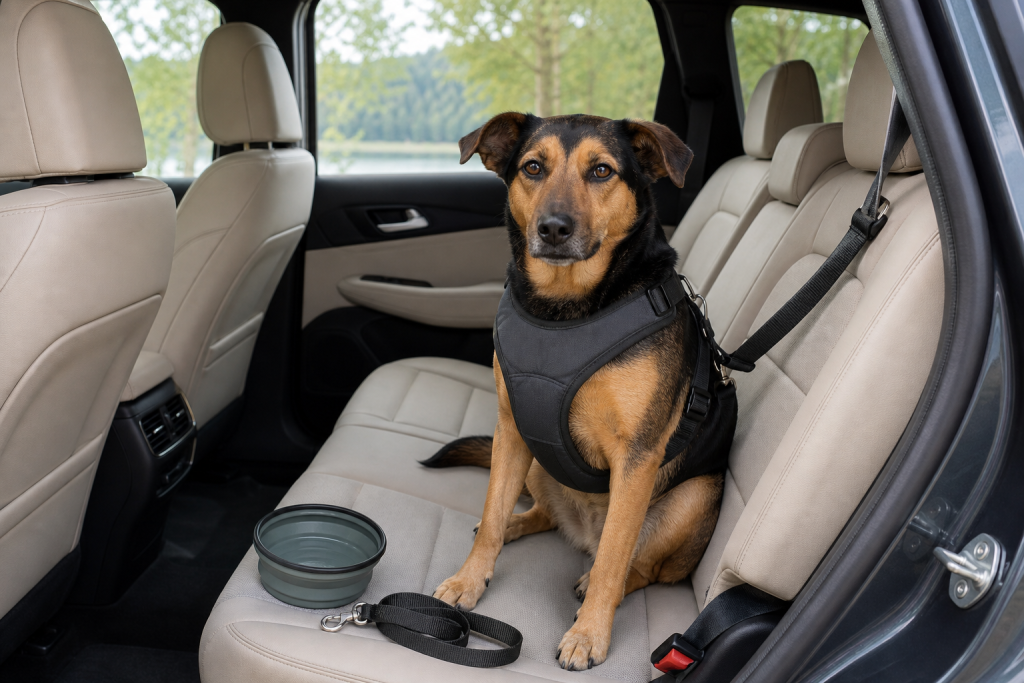
The CDC updated its pet travel guidance in April 2026 and specifically advises keeping pets riding on a seat in the back seat in a harness attached to the seat buckle. It also warns against letting pets roam around the car or ride with their head outside the window. That is practical shopping context, not a reason to buy the first “car safe” listing you see.
Rover’s May 2026 summer travel survey found that many pet parents are adjusting travel plans because of the economy, with closer destinations and road-tripping part of that shift. If your dog is coming along, the restraint purchase is not an accessory afterthought. It is part of the road-trip budget, along with water, bowls, waste bags, records, flea and tick prevention, and a plan for frequent breaks.
The Claim To Question Before You Pay
The phrase “car harness” is not enough by itself. Some products are made for walking and include a simple clip that plugs into a seat-belt buckle. Others are designed so the vehicle seat belt passes through specific reinforced loops or a manufacturer-approved route. Those are very different shopping claims.
Before checkout, look for clear documentation from the brand. The listing should show the exact attachment method, the size that was tested or certified, the weight and chest ranges, and whether any included tether is part of the approved setup. If the page only says “safe for travel” but does not show how the restraint works, treat the discount as incomplete information.
What To Check On The Product Page
- Vehicle use: The harness should be described for car restraint, not only walking, training or everyday outdoor use.
- Seat-belt route: Check whether the car’s seat belt goes through the harness itself or whether the product depends on a separate clip, strap or extender.
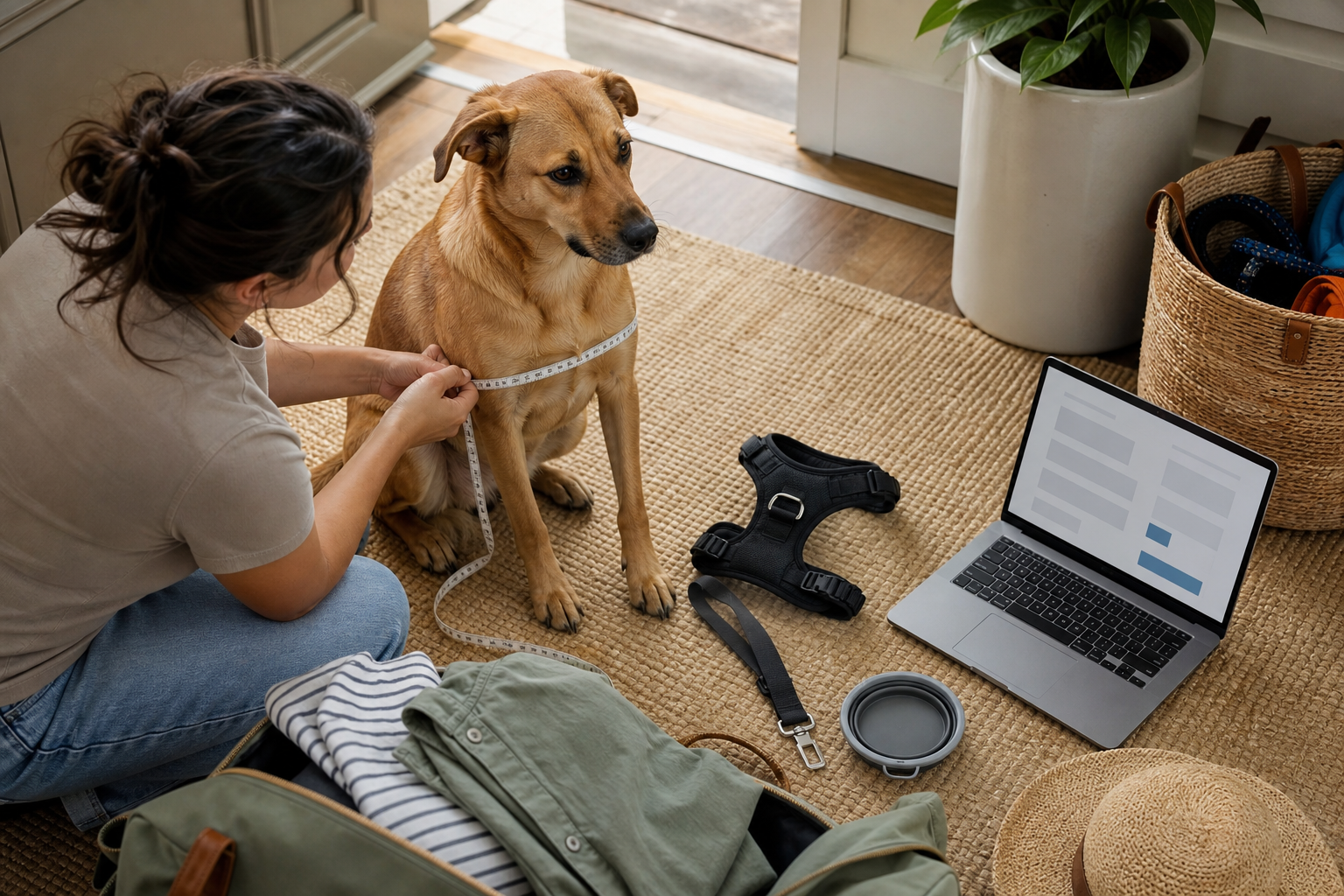
- Exact sizing: Measure your dog’s chest girth and neck area according to the brand’s instructions. Do not buy by weight alone.
- Size-specific claims: A claim made for one size may not automatically prove the same performance for every size. Look for documentation that matches the size you need.
- Adjustment range: A good fit should sit flat without rubbing the armpits, riding into the throat or twisting when your dog changes position.
- Back-seat setup: Make sure the harness can be used in the back seat of your actual vehicle, with enough room for your dog to sit or lie down without roaming.
- Cleaning: Road-trip gear gets muddy, salty and wet. Check whether the harness can be hand-washed or machine-washed and whether padding dries reasonably fast.
- Returns: Fit is a real risk with deep-chested, barrel-chested, long-backed or very small dogs. A return-friendly retailer matters.
The Deal Section: What Makes A Discount Real
A car harness coupon is only useful if it applies to the right size, the current model and the retailer you actually want to use. Before paying, check whether the code excludes safety gear, sale items or third-party sellers. Also check shipping, return shipping and whether the item must be unused with tags attached.
Retailer policies vary. Chewy’s return page says items can generally be returned within 365 days and notes free return shipping, while Petco’s policy page includes category-specific exceptions and return procedures. Those policies can change, and special marketplace or manufacturer-fulfilled items may have different rules, so verify the policy on the checkout page before you order.
The cheapest deal is not always the lowest total cost. If a harness arrives and the seat-belt route does not work in your car, or the chest strap digs into your dog, a weak return policy can turn the discount into wasted money.
What To Avoid
Avoid treating a loose extension tether as an upgrade. The Center for Pet Safety has warned that extension tethers can give pets too much movement during a sudden stop or crash and can undermine a harness maker’s crash-protection claim. If a listing promotes a long strap, zipline or swivel clip as the main safety feature, slow down and read the manufacturer’s instructions carefully.
Also avoid using a car restraint for the first time on a long trip. The CDC recommends preparing pets with short drives before longer travel. Let your dog get used to the harness around the house, then try short car sessions before relying on it for hours.
Do not assume a harness solves every travel problem. Dogs still need water, breaks, shade, identification, a leash before the door opens and a plan for hot parked cars. If your dog panics in the car, gets carsick, has breathing issues or has a medical condition, ask your veterinarian for trip-specific guidance before changing travel routines.
A Simple Buying Framework
Start with your dog’s body, not the sale banner. Measure chest girth, neck and weight. Compare those numbers to the size chart, then read the setup instructions. If the harness must route through the vehicle seat belt, confirm that your car’s buckle position and seat design will not twist the harness.
Next, check proof. Look for independent certification, brand test documentation or a clear explanation of what the product was designed to do. The Center for Pet Safety maintains a directory of certified pet travel products and says its certification program reflects independently developed safety standards, quality-control monitoring and truth-in-marketing commitments.
Finally, check the real-world use case. A small dog may be better suited to a crash-tested carrier that can be secured correctly. A large dog may need a properly fitted harness or travel crate, depending on the vehicle and the dog. If the product cannot be fitted, secured and tolerated by your dog, the discount does not matter.
Quick Answers
Can I use my dog’s normal walking harness in the car?
Only if the manufacturer says it is designed for vehicle restraint and explains the approved seat-belt setup. A comfortable walking harness is not automatically a car-safety harness.
Is a seat-belt clip enough?
Be cautious. A clip can limit roaming, but it is not the same as a well-documented vehicle restraint system. Check whether the clip or tether is part of the brand’s approved use, and avoid long extension tethers that allow too much movement.
Should my dog ride in the front seat?
The CDC guidance for pets riding on a seat points to the back seat. Airbags, driver distraction and sudden movement are all reasons to keep the setup in the back whenever possible.
What if the harness fits the size chart but looks wrong on my dog?
Do not force it. Stop using the harness if it rubs, twists, presses into the throat or prevents normal sitting and lying down. Recheck the instructions, contact the manufacturer or retailer, and use the return policy if the fit is not right.
Sources
Last checked: 2026-05-31 13:32 Europe/Rome.
- CDC, Pet Travel Safety, updated Apr. 15, 2026.
- Rover, 2026 summer travel survey press release, published May 5, 2026.
- Center for Pet Safety, CPS Certified Products.
- Center for Pet Safety, Extension Tether Safety Warning.
- Chewy return policy.
- Petco return policy.