
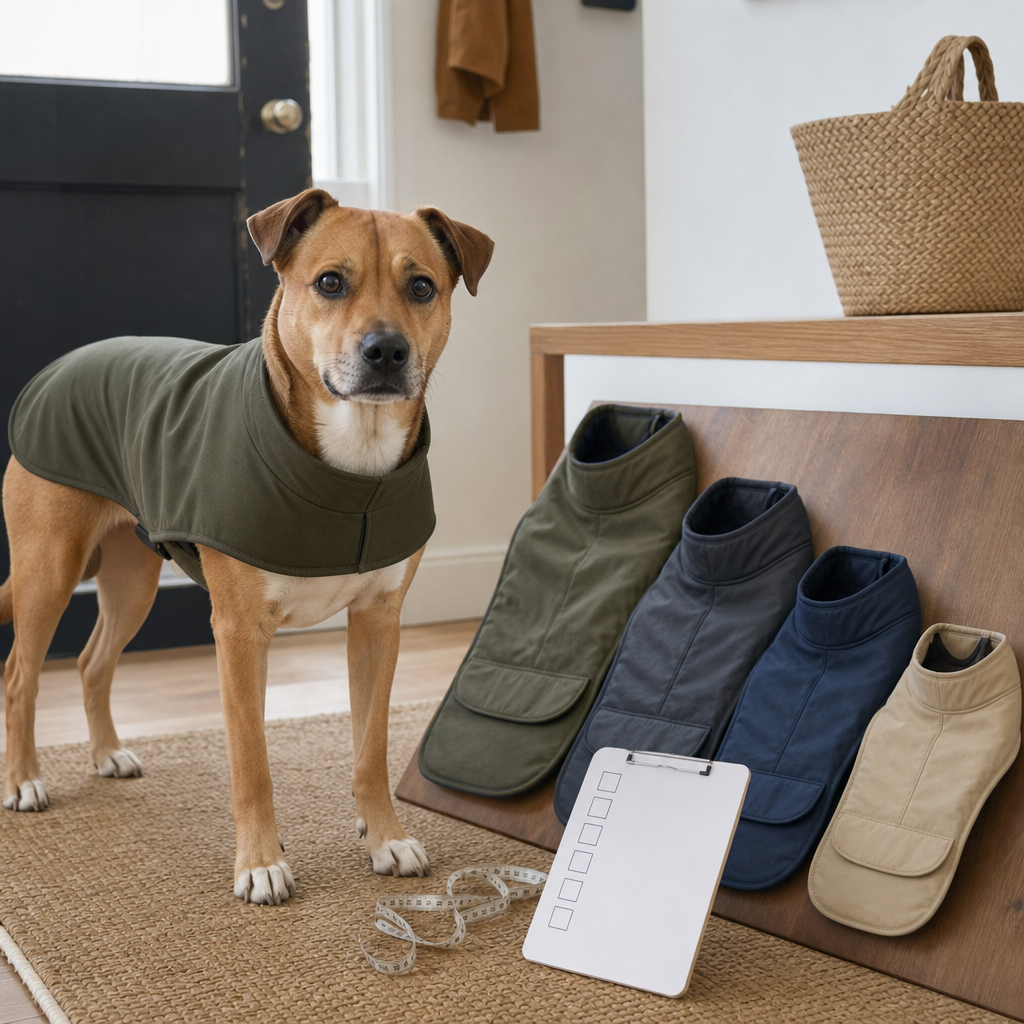
A dog sweater deal can fail even when the weight range looks right, because the chest and front-leg openings decide whether your dog can move comfortably. Measure the widest part of your dog’s rib cage, check the back length and neck opening, and make sure the sweater works with the harness or leash setup you actually use. If the listing only gives a breed example or a vague small-medium-large size, treat the discount as risky until the return terms are clear.
Why this matters before fall carts fill up
Dog sweaters start showing up in fall sale sections long before many owners need serious winter gear. That timing is useful if your dog is short-coated, small, senior, freshly groomed or easily chilled, but it also creates a familiar checkout trap: owners buy by weight, style or sale badge and only discover the tight chest, loose neck or awkward leg holes after the tag is off.
Cold-weather clothing is not automatically necessary for every dog. The practical reason to buy one is warmth, dryness or short outdoor comfort for a dog that benefits from it, not just a seasonal photo. ASPCA cold-weather guidance notes that longer coats can help with warmth, while welfare groups also warn that clothing should not restrict movement, vision, breathing, toileting or normal body language.
The measurement that beats the size chart headline
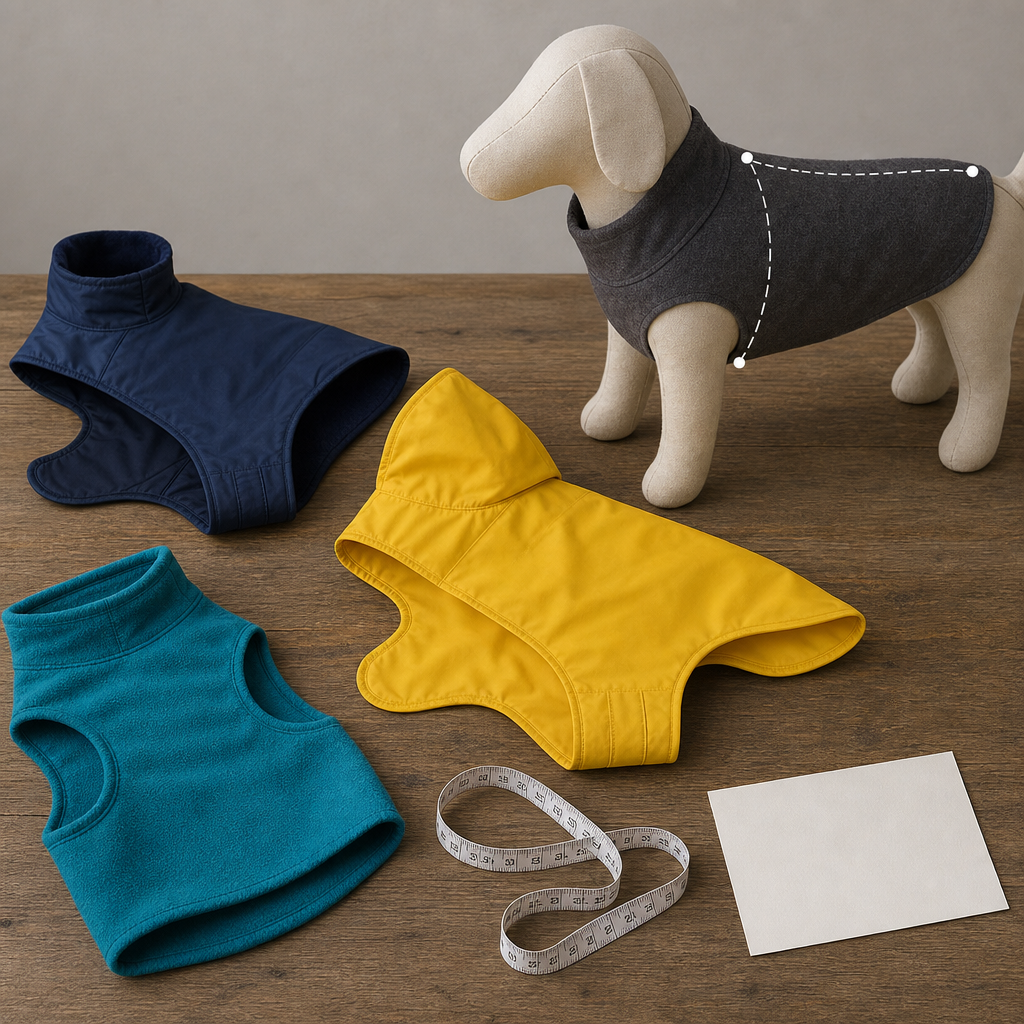
Weight is only a starting point. For sweaters, the chest girth usually matters most because knit fabric wraps around the widest part of the rib cage and can pull behind the front legs. A dog can be in the listed weight range and still need a larger size because of a deep chest, broad shoulders or thick coat.
Before buying, take three measurements while your dog is standing naturally:
- Chest girth: around the widest part of the rib cage, just behind the front legs.
- Back length: from the base of the neck to the base of the tail, especially for long-backed dogs.
- Neck opening: loose enough to slide over the head without rubbing, but not so loose that the sweater twists.
If your dog sits between sizes, the better choice is usually the size that preserves movement, then you decide whether the back length is acceptable. A sweater that is a little short may still work for warmth on quick walks. A sweater that pinches the chest or cuts into the front legs is a bad deal at any price.
The checkout checks owners skip
Do not stop at the cute photo. Check the practical details that decide whether the sweater survives a normal week.
- Harness access: confirm whether there is a leash opening, or whether the harness must go over the sweater.
- Wash instructions: a cheap knit that shrinks, pills or stretches after one wash may cost more than a plainer washable fleece.
- Leg openings: avoid tight sleeves for dogs with broad shoulders, arthritis, short legs or a strong dislike of paw handling.
- Belly cut: make sure male dogs can urinate cleanly and that the fabric will not drag through wet grass.
- Trim and decorations: skip loose buttons, bells, dangling cords or pom-poms if your dog chews clothing.
- Return condition: apparel may be hard to return once worn, washed, covered in hair or missing tags.
When the sale price is not the real price
A sweater that only works for one photo is a costume expense, not cold-weather gear. Before using a coupon or sale badge, compare the final cart against the full cost: shipping, return shipping or in-store return effort, replacement if the first size fails, and whether you need two sweaters because one will be in the wash.
Retailer policies are worth reading before checkout. PetSmart says online purchases can be returned in store, but the refund excludes shipping, delivery fees, gift wrap and similar charges, and the product must be in original packaging. That policy is helpful, but it does not make a used, hair-covered or tagless sweater risk-free.
What to avoid
- Buying only by breed name, because two dogs of the same breed can have very different chest shapes.
- Choosing the tightest fit because it looks tidy in photos.
- Using a sweater as a substitute for shelter, supervision or shorter outdoor time in bad weather.
- Leaving clothing on an unsupervised dog that scratches, chews, freezes in place or tries to remove it.
- Ignoring signs that the sweater is bothering your dog, such as altered walking, pawing at the fabric, pinned ears, tucked tail or reluctance to move.
A smarter way to buy one
Start with one washable, undecorated sweater in the best-measured size, then test it indoors for a few minutes before a real walk. Watch whether your dog can turn, sit, lie down, stretch, sniff and use the bathroom normally. If the sweater passes that test and washes well, then a second color or backup makes more sense than buying a multi-pack upfront.
For dogs that actually need weather protection, a sweater may not be enough in rain, snow or slush because knit fabric can hold moisture. In that case, compare it with a water-resistant coat or a sweater-plus-coat setup, and ask your vet if your dog is very young, senior, thin, ill, recovering from grooming or unusually sensitive to cold.
Quick answers
Should every dog wear a sweater?
No. Many healthy, active dogs with thick coats do not need one for ordinary cool weather. Small dogs, short-coated dogs, senior dogs, recently groomed dogs and dogs that shiver or seek warmth may benefit from extra coverage, but comfort and movement still matter.
Is a snug dog sweater better?
Snug is only good if it stays comfortable. The sweater should not rub behind the legs, compress the chest, restrict the neck or change your dog’s gait.
Can I return a dog sweater after trying it on?
Maybe, but do not assume it. Keep tags and packaging, test fit indoors, avoid washing it until you are sure, and check whether shipping or delivery fees are refundable before you rely on the return.
Sources
Sources last checked: September 15, 2026, 19:35 CEST, Europe/Rome.
- ASPCA, Cold Weather Safety Tips.
- RSPCA Australia Knowledgebase, animal welfare issues with pets wearing costumes.
- Beana, Pet Clothing Size Guide.
- PetSmart, Return Policy and Returning a Product.