
#pet food deals
#pet food delivery
#substitution policy
#Walmart pet food
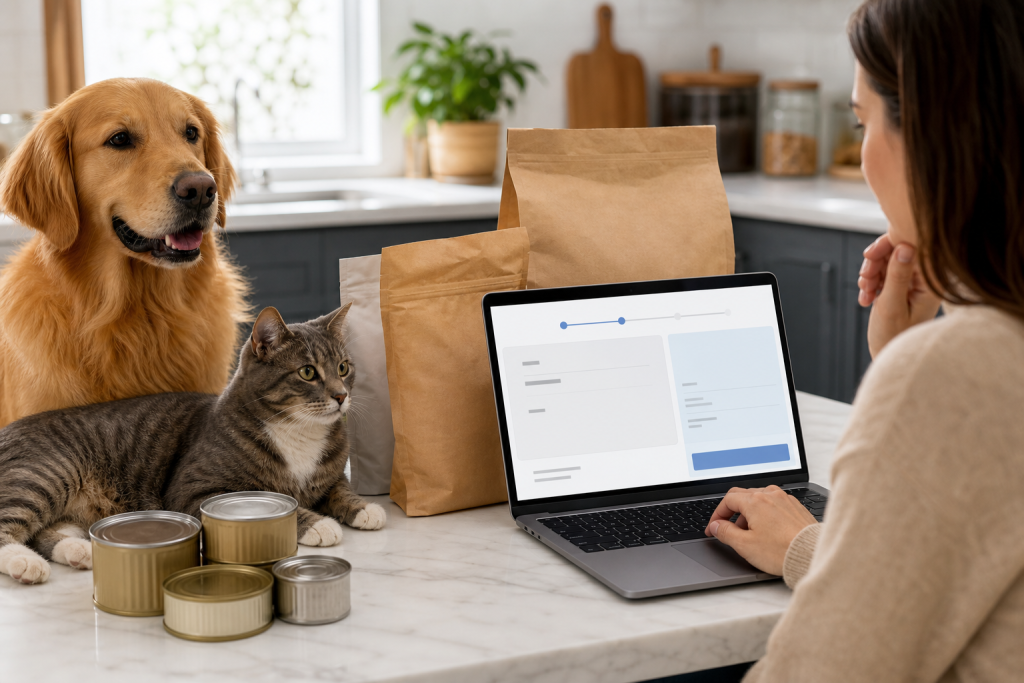
A Walmart pet food delivery deal can change if the item you chose is out of stock and the order is filled with a substitute. The risk is not only a higher or different charge, it is also a different formula, flavor, bag size or seller path than the one your dog or cat already tolerates. Before checkout, set substitution preferences item by item and treat pet food like a product where “close enough” may not be close enough.
That matters now because more pet owners are using pickup, delivery and marketplace listings to keep food, litter and repeat supplies stocked while prices remain a concern. Walmart’s own help pages say shoppers can accept, decline or return substituted pickup and delivery items, and that substituted items are charged at the substitute item’s price. For pet food, that small checkout setting can become a bigger problem than it would be for paper towels or bottled water.
Why The Substitution Setting Matters For Pet Food
Pet food is a routine purchase, but it is not a generic grocery staple. A dog or cat may be eating a specific life-stage food, texture, protein, calorie density, prescription product or sensitive-stomach formula. Swapping chicken for salmon, adult maintenance for all-life-stages, pate for chunks, or a 12-pack for a 24-pack can change both the feeding plan and the real cost per day.
Walmart says out-of-stock pickup and delivery items may be substituted with similar items, and shoppers can accept, decline or return those substitutions. It also says shoppers can control substitution preferences with options such as best match, a specific brand, no substitution or refund for each item. That is the key detail for pet owners: the cheapest cart is not always the safest cart if the substitute changes the food your pet actually eats.
The Checkout Checks To Make Before You Order
Start with the seller line. If the item is sold and shipped by Walmart, the return and support path may be different from a Marketplace item sold by a third-party seller. Walmart’s Marketplace policy says most Marketplace items may be returned within 30 days, with exceptions, and that shoppers should review return details on the listing page. That matters for heavier pet supplies, specialty food, flea products, grooming electronics and anything where a return could become inconvenient.
Then check substitutions for each pet food item rather than leaving the whole cart on autopilot. If your pet needs the exact food, choose no substitution or a specific brand and product where the app allows it. If you can accept flexibility, limit the substitute to the same species, same life stage, same texture, same package size range and same known protein. A “similar” pet food can still be wrong for your household.
Finally, compare the final cart after the order is shopped. Walmart notes that substituted items are charged at the price of the substitute item and that temporary authorization holds may reflect replacements, weighted items and bag fees. If the bag size, can count or formula changes, recalculate the cost per meal before deciding the deal still works.
Label Details That Should Not Change
The Association of American Feed Control Officials says the nutritional adequacy statement is one of the most important parts of a pet food label because it matches the food to a pet’s species and life stage. The FDA also explains that “complete and balanced” foods are meant to be suitable as a sole diet when they meet AAFCO nutrient profiles or pass AAFCO feeding trials. If your substitute drops that statement, changes the life stage or becomes a topper, treat or supplement, it is not an equal replacement.
Use the label, not the front-of-bag marketing, as your comparison point. Match the species first, then the life stage, then the feeding directions, calories, package size and guaranteed analysis. If your pet is on a veterinary diet or a food your vet specifically recommended, do not let a grocery substitute make that decision for you.
When A Substitute May Be Fine
Some substitutions are low-risk for many households. A different scent of waste bags, the same litter in a smaller box, the same canned food flavor in a different case count, or the same brand and formula in a different bag size may be acceptable if the price still makes sense. Even then, read the final receipt and check whether the item is returnable if the substitute arrives damaged or wrong.
For treats, the decision is a little different. Treats are usually not intended to be a complete diet, so the main checks are calories, ingredient concerns, chew size, freshness and whether the product fits your pet’s chewing habits. If your pet has food sensitivities or a medical diet, keep treats on a no-substitution setting unless your veterinarian has already given you safe alternatives.
The Deal Math Owners Miss
A substituted item can make a sale look better or worse than it did at checkout. A smaller bag may keep the order total low while raising the ounce price. A larger case may look like an upgrade but tie up more money in a food your pet might not eat. A different flavor may cost the same today but break a future repeat order if it is not normally stocked.
Before you approve a substitute, ask four questions:
- Is it the same species and life stage?
- Is it complete and balanced if it is replacing a daily food?
- Does the package size make the cost per day better or worse?
- Can I return it easily if my pet cannot use it?
If the answer to any of those is unclear, declining the substitute can be the cheaper choice.
What To Avoid
Do not approve a substitute just because it is the same color bag, same aisle or same brand family. Pet food brands often sell puppy, adult, senior, indoor, weight-management, urinary, hairball, grain-free and veterinary formulas that look similar online. Those are not interchangeable for every pet.
Do not stock up on a substituted food until your pet has actually tolerated it. Changing food too quickly can create avoidable mess and wasted money. If you need to change diets, ask your veterinarian how to transition based on your pet’s health, age and history.
Do not assume a Marketplace listing follows the same path as a store pickup item. Check who sells it, who ships it, the return window, whether food or opened items have restrictions, and whether the seller has clear contact details. If a listing looks unusually cheap compared with normal pet-food pricing, slow down and verify the bag size, seller, delivery date and return terms.
Quick Answers
Should I turn off substitutions for pet food?
Turn them off when your pet needs an exact formula, veterinary diet, life stage or protein. If your pet can use alternatives, set a specific acceptable substitute instead of leaving the choice open-ended.
Can a substitute cost more?
It can. Walmart’s help page says substituted items are charged at the substitute item’s price, so review the receipt and final item size before assuming the deal held.
Is a different flavor the same as the original food?
Not always. Flavor changes can also mean different ingredients, calories, texture and feeding directions. Check the full label before feeding it as a replacement.
What if the substitute is wrong?
Use the retailer’s order tools to decline, return or report the issue. Keep the package and receipt details until the problem is resolved.
Sources
Last checked: September 15, 2026, 22:34 CEST, Europe/Rome.