
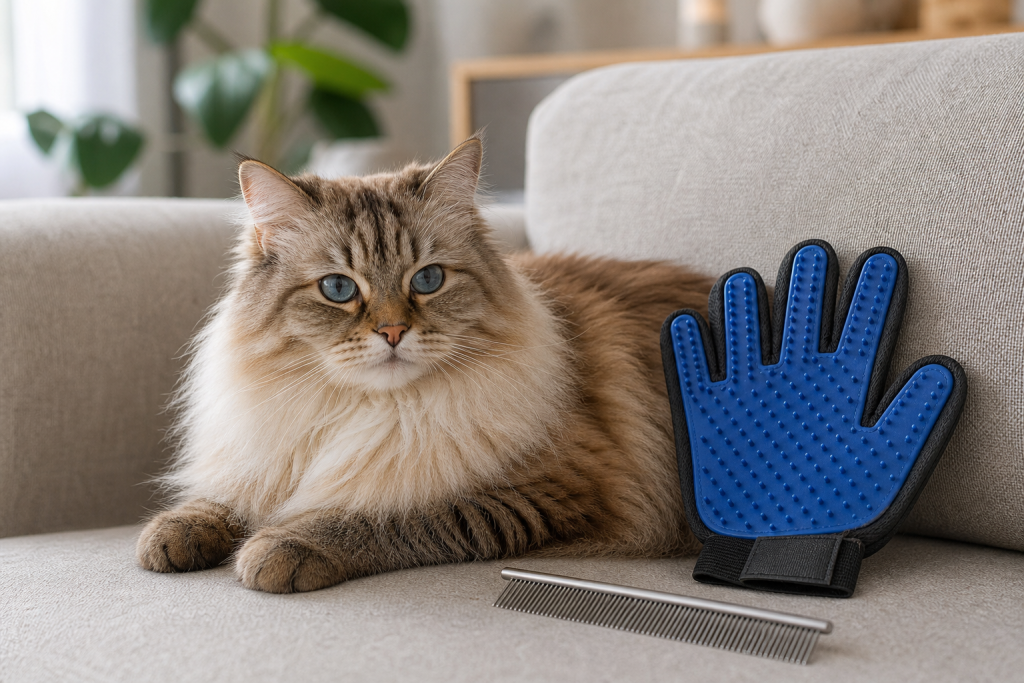
#grooming gloves
#pet hair remover
#pet shedding tools
A grooming glove is a good deal only when it matches the coat and the job you expect it to do. It can lift loose hair from many short-coated dogs and some cats, but it is not a magic fix for mats, thick undercoat, heavy seasonal shedding or fur stuck deep in upholstery. Before you buy the cheapest mitt in the cart, check the bristle type, cleaning method, return rules and whether your pet actually tolerates hand-style grooming.
Pet-hair tools are showing up in trend lists again as owners look for quick fixes before fall shedding, holiday guests and colder indoor months. The appeal is obvious: a glove looks gentler than a rake, cheaper than a grooming vacuum and easier to store than a full brush kit. The mistake is treating every grooming glove as a universal deshedding tool.
Why this deal is tempting right now
Recent pet-product trend tracking has flagged pet hair remover mitts and similar cleaning tools among active shopping searches, while grooming and shedding guides remain evergreen traffic magnets. That combination makes gloves easy impulse buys, especially when a listing promises less hair on clothes, couches and floors.
The timing also matters. AKC guidance notes that many dogs shed more heavily in spring and fall, and indoor pets can still shed throughout the year. ASPCA cat grooming guidance also notes that indoor cats may shed year-round. In other words, owners are not imagining the extra hair, but the right tool still depends on coat type.
When a grooming glove makes sense
A rubber or silicone grooming glove can be useful for pets that dislike a traditional brush but accept being stroked. It can also help with short coats, light shedding and quick touch-ups after a walk or nap. AKC specifically lists grooming gloves as an option for some short-coated dogs because they can loosen dead hair while you massage the coat.
That does not mean every glove works for every dog or cat. The soft nubs that feel gentle on a short coat may not reach the loose undercoat on a dense double-coated breed. A glove may also slide over tangles instead of separating them, which can make a long-coated pet look brushed while hidden mats get worse.
The checkout checks that matter
Before paying, read the listing like you would read a sizing chart, not like a coupon banner.
- Coat match: Look for clear use cases such as short coat, sensitive pet, bathing glove or furniture hair removal. Be skeptical of “all coat types” if the glove has only shallow rubber nubs.
- Hand size and grip: A loose glove can twist while you groom. An adjustable wrist strap is more useful than a flashy color.
- Hair release: Check whether collected hair peels off in one layer or must be picked from the teeth. A cheap glove that takes ten minutes to clean will not get used.
- Wet or dry use: Some gloves are meant for bath time, some for dry grooming, and some become slippery when shampoo is involved.
- Return condition: Grooming tools may have stricter return expectations once used. Keep packaging and the order record until you know your pet tolerates it.
- Two-pack claims: A pair is useful only if both gloves fit and the bristle surface is strong enough. Do not treat “two for one” as a deal if one glove does not work well.
Do not buy it for mats
A grooming glove is not a safe shortcut for mats. ASPCA warns that mats can be uncomfortable and that owners should talk with a groomer or veterinarian about the right brush type for a pet’s hair. It also warns not to cut mats out with scissors because a moving pet can be injured.
If your dog or cat already has tight mats, felted fur, irritated skin, bald patches or sudden heavy hair loss, skip the gadget-first approach. Use the glove only for loose surface hair and ask a groomer or vet what tool is appropriate. The cheapest grooming deal can become expensive if it delays proper coat care.
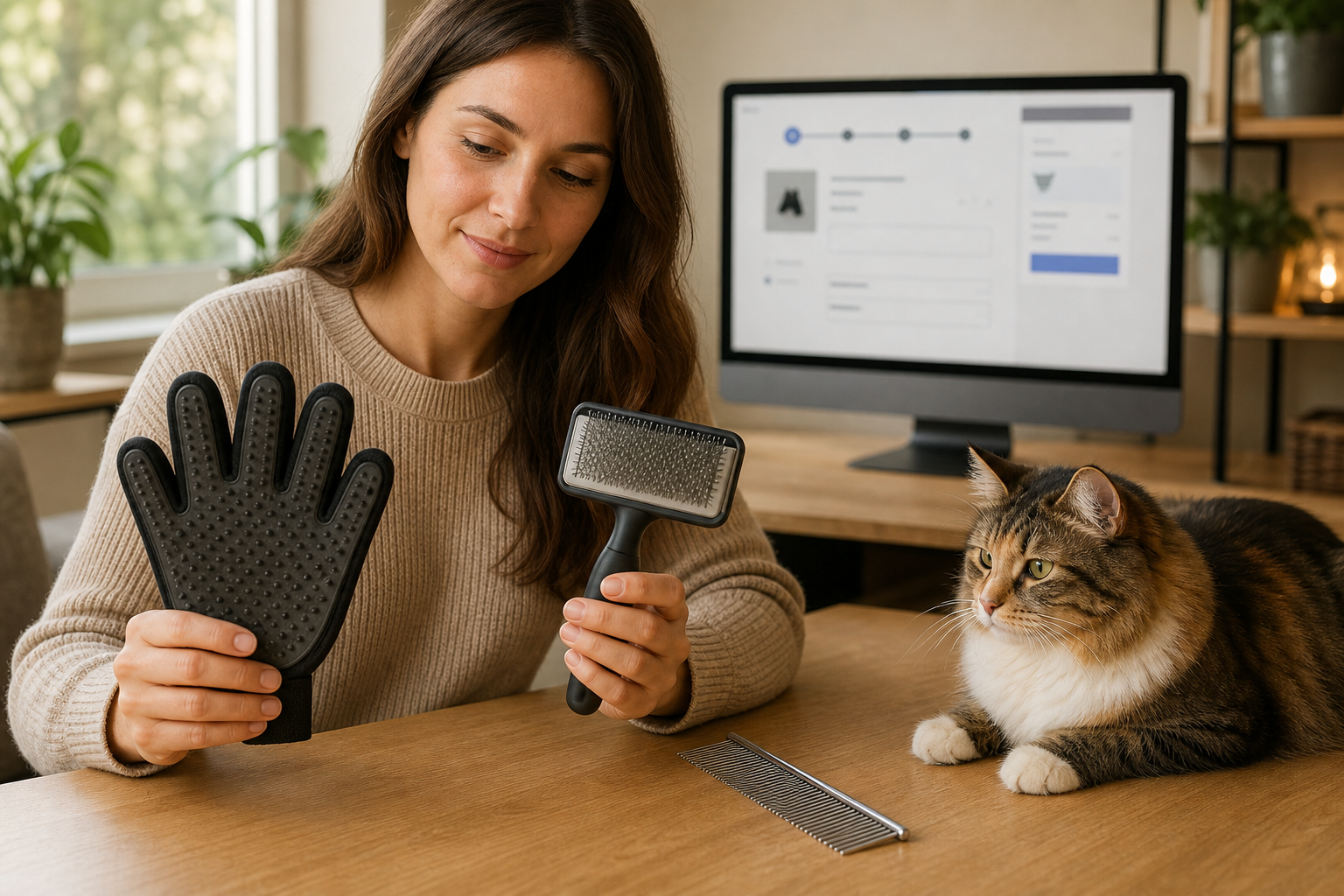
Deal math: glove, brush or remover?
A grooming glove can be the lowest-cost item in the grooming aisle, but price alone is a weak signal. For a short-coated dog, it may replace a basic curry brush. For a long-haired cat, it may be only a comfort tool used before a comb. For a double-coated dog, it may collect the top layer while leaving the real shed underneath.
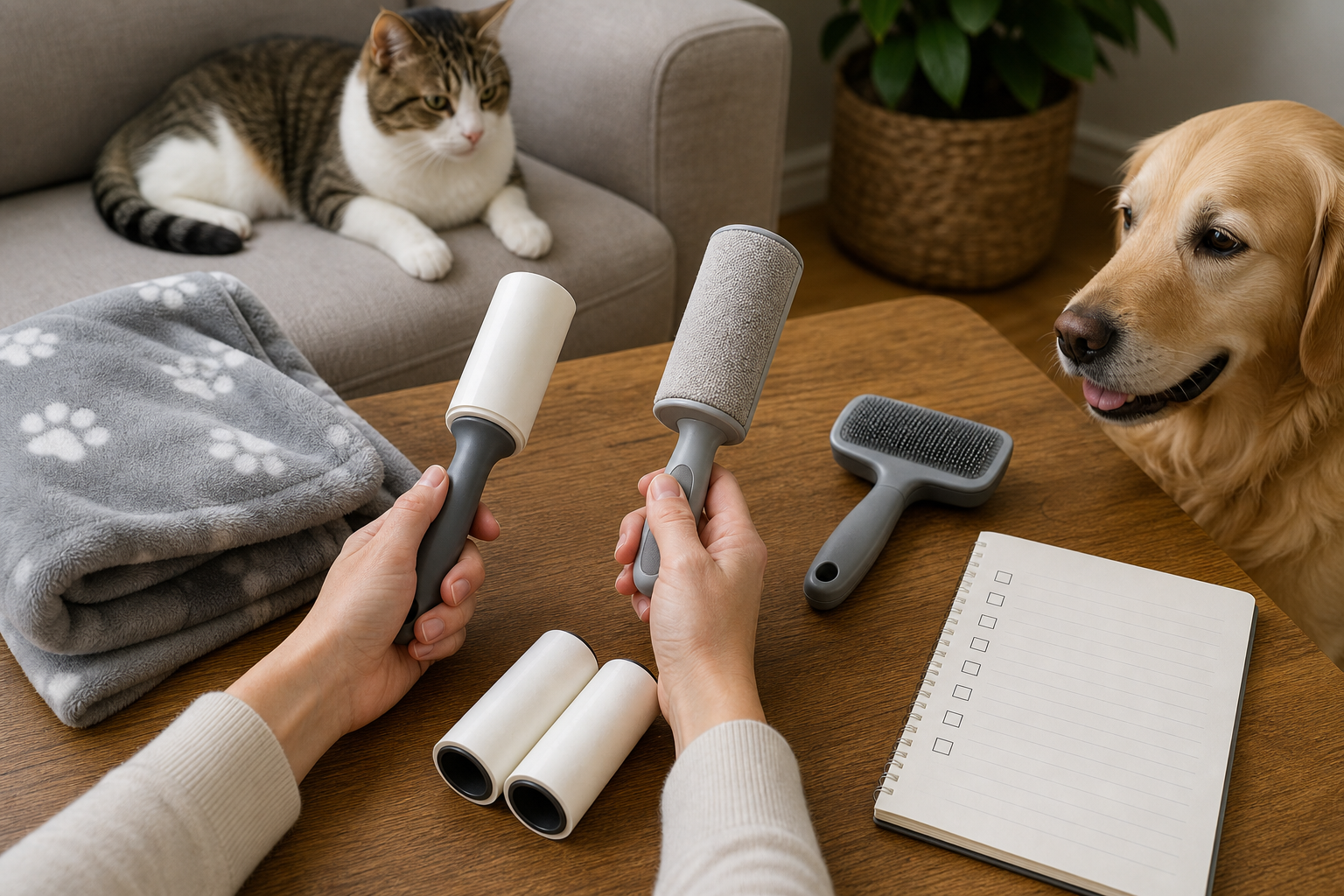
If the listing is mostly selling couch cleanup, compare it with a reusable pet-hair remover or lint tool instead of a grooming brush. If the listing is selling coat care, compare it with the brush type recommended for your pet’s coat. AKC’s brush guidance separates slicker brushes, bristle brushes, rakes, combs and mitts because they do different jobs.
At checkout, verify the final price after shipping, whether a coupon applies only to a color or size you do not want, and whether the seller includes replacement or warranty details. Do not assume a marketplace badge means the glove has been tested on your pet’s coat type.
What to avoid
Avoid gloves that make medical-sounding promises about stopping shedding. Shedding is normal for many pets, and ASPCA says significant hair loss or bald patches should be investigated by a veterinarian. The tool should remove loose hair, not claim to solve a skin or coat problem.
Also avoid stiff nubs for pets with sensitive skin, vague “professional grade” claims without material details, and listings that show only furniture cleanup while claiming grooming results. If your pet backs away, flattens ears, growls, snaps or hides when the glove appears, do not force the session just to justify a small purchase.
Quick answers
Is a grooming glove better than a brush?
Sometimes. It can be better for a short-coated or brush-shy pet, but a slicker brush, comb, rake or de-shedding tool may be better for long, curly or double coats.
Can a grooming glove stop shedding?
No. It can collect loose hair before it lands on furniture, but normal shedding continues. Sudden or patchy hair loss is a reason to ask your vet.
Should I use the glove on a cat?
Only if the cat tolerates it and the glove is gentle. ASPCA recommends regular brushing for cats to help prevent matting, but the right tool depends on the cat’s coat and comfort.
Is the cheapest glove worth trying?
Only if the listing clearly matches your pet’s coat, has a usable return path and is easy to clean. If you already know your pet needs undercoat work or mat removal, start with the correct grooming tool or professional advice.
Sources
Sources last checked: September 27, 2026, 16:33 CEST, Europe/Rome.