
#cat treats
#freeze-dried cat treats
#pet deals
#pet food labels
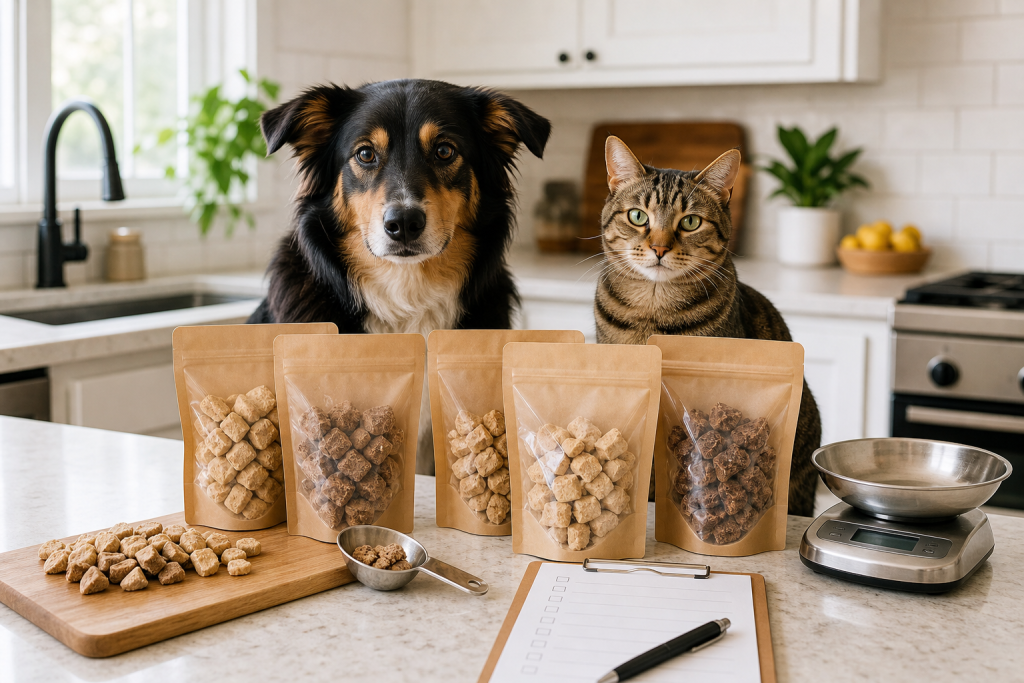
Freeze-dried cat treats can be a good buy, but the deal falls apart when you treat a tiny bag like a meal replacement or ignore the ounce price. The smartest checkout move is to confirm whether the product is a treat, topper or complete food, then compare cost per ounce, serving size, calories and raw-handling instructions before you add multiples to the cart.
That matters now because freeze-dried treats keep showing up in cat-supply searches, new-release pages and post-sale pet deal roundups. They look simple, often just meat or fish in a lightweight pouch, but the shopping details are less simple than the front label suggests.
Why The Small Bag Looks Cheaper Than It Is
Freeze-dried treats are light because most of the water has been removed. That makes the bag feel bigger than the actual feeding value inside, especially when two products use different serving sizes, shapes or crumbles. A low shelf price can still be expensive if the pouch contains only a few ounces and your cat eats it daily as a topper.
Before checkout, compare the unit price by ounce, not only the bag count. Then check how many pieces or teaspoons the brand treats as one serving. If you plan to sprinkle the treats over meals, calculate how long the bag lasts at that realistic amount, not at the tiny serving shown in marketing photos.
The Label Detail Cat Owners Should Not Skip
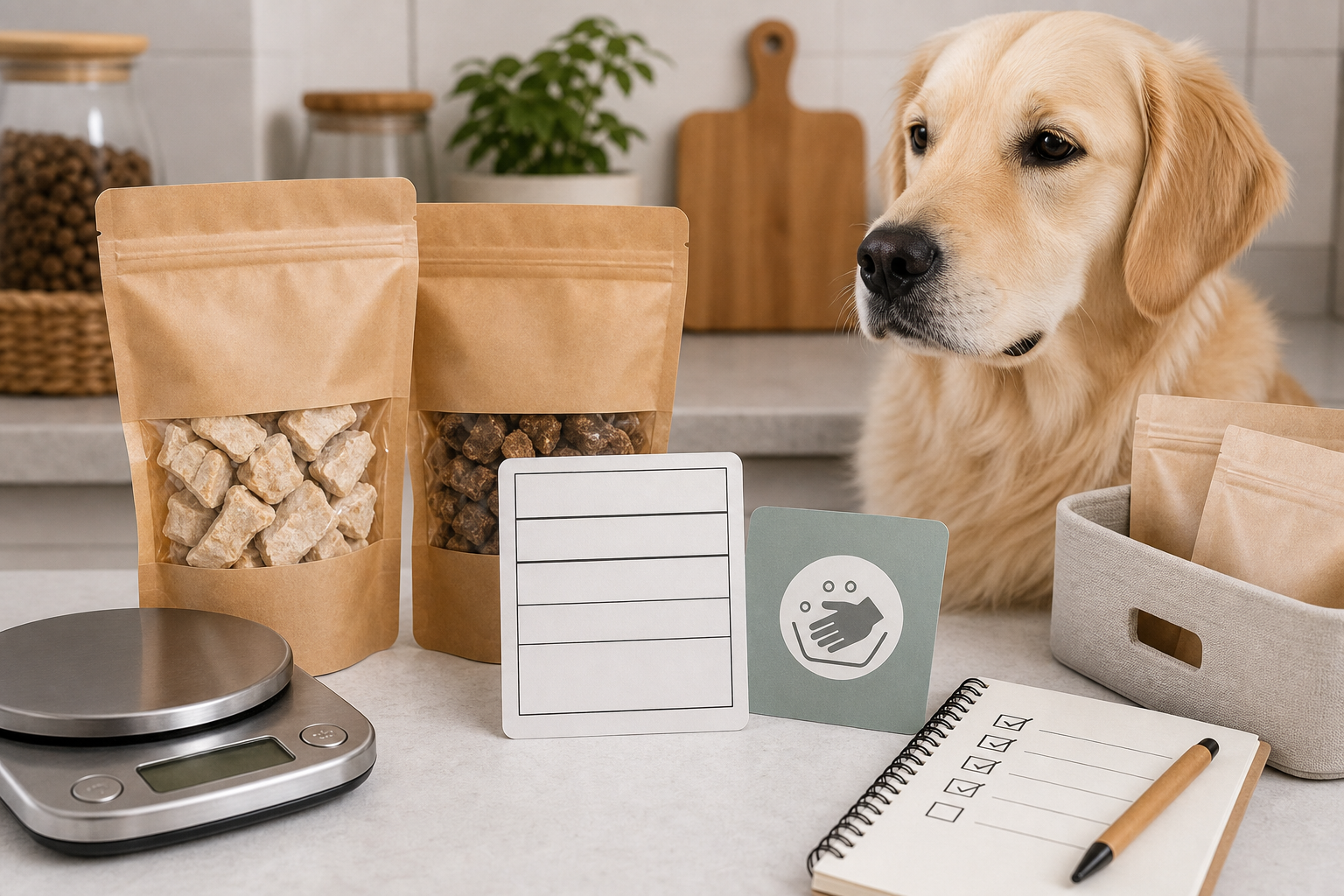
Some freeze-dried cat products are sold as treats or toppers. Others may be marketed as food. The label difference matters because AAFCO explains that treats and supplements are generally not complete diets, and labels may say they are intended for intermittent or supplemental feeding only. FDA also explains that “complete and balanced” language is tied to whether a pet food is intended as a sole diet.
That does not make a treat bad. It just means you should not let a snack crowd out your cat’s regular complete diet unless your veterinarian has told you to change the feeding plan. This is especially important for kittens, senior cats, cats on therapeutic diets and cats with known urinary, kidney, digestive or weight concerns.
Raw-Style Treats Need A Different Safety Check
Many freeze-dried treats are raw or raw-style animal products. CDC says raw pet food and treats can make dogs and cats sick and does not recommend feeding raw pet food or treats. FDA also warns that raw pet food can carry disease-causing bacteria, and its recall database includes recent freeze-dried pet food and raw-food entries that shoppers should verify before reordering.
If you buy them anyway, read the handling instructions before the first serving. Store the pouch as directed, keep it away from human food prep areas, wash hands after use, and be extra cautious in homes with young children, older adults, pregnant people or anyone with a weakened immune system. Ask your vet before using raw-style treats for a cat with health problems.
A Better Checkout Checklist
- Compare price per ounce, not just the pouch price.
- Check whether the product is a treat, topper, supplement or complete food.
- Read the feeding directions and calorie statement before using it daily.
- Confirm the protein source works for your cat, especially if your cat has diet restrictions.
- Look for recall, lot-code and best-by information before stocking up.
- Check whether the pieces crumble into dust, since crumbs may change the real usable amount.
- Review return terms, because opened food and treats may be handled differently by retailer and seller.
Deal And Coupon Checks Before Paying
A coupon can make sense if your cat already eats the treat, the lot is current and the unit price beats your usual option. It is less useful if you have to buy a large bundle of a new protein your cat may reject. For marketplace listings, verify the seller name, shipping time, return policy, expiration window and whether the brand itself is the seller or an authorized retailer.
Autoship discounts need the same math. A first-order discount can hide the regular refill price, and a tiny bag can disappear faster than expected when used as a meal topper. Check the next shipment date, the regular price after the introductory offer and the cancellation controls before relying on the discount.
What To Avoid
- Do not buy by star rating alone if reviews do not mention your cat’s life stage, texture preference or feeding use.
- Do not use treat claims as a substitute for veterinary advice about vomiting, appetite loss, urinary signs, weight loss or food allergies.
- Do not assume “single ingredient” means complete nutrition.
- Do not stock up on short-dated bags just because the discount is large.
- Do not ignore handling instructions when the product is raw, freeze-dried raw or minimally processed.
Quick Answers
Are freeze-dried cat treats worth buying?
They can be worth buying for training, enrichment or a small topper, but only if the price per ounce, serving size and safety instructions make sense for how you will actually use the bag.
Can freeze-dried treats replace cat food?
Usually no. Many treats and toppers are for intermittent or supplemental feeding, not as a complete daily diet. Look for the nutritional adequacy statement and ask your vet before changing your cat’s main food.
Should I buy a big multipack on sale?
Only after your cat has accepted that flavor and texture, and only if the expiration dates, storage needs, return terms and unit price still work. A rejected multipack is not a deal.
Sources
- CDC, About Pet Food Safety
- FDA, Raw Pet Food Diets can be Dangerous to You and Your Pet
- FDA, Complete and Balanced Pet Food
- FDA, Recalls and Withdrawals
- AAFCO, Selecting the Right Pet Food
- Amazon Best Sellers, Cat Supplies, used only as a live demand signal
- Cats.com, The Best Cat Treats in 2026, used as general market context, not as a ranking claim
Sources last checked: July 19, 2026, 19:34 Europe/Rome.