
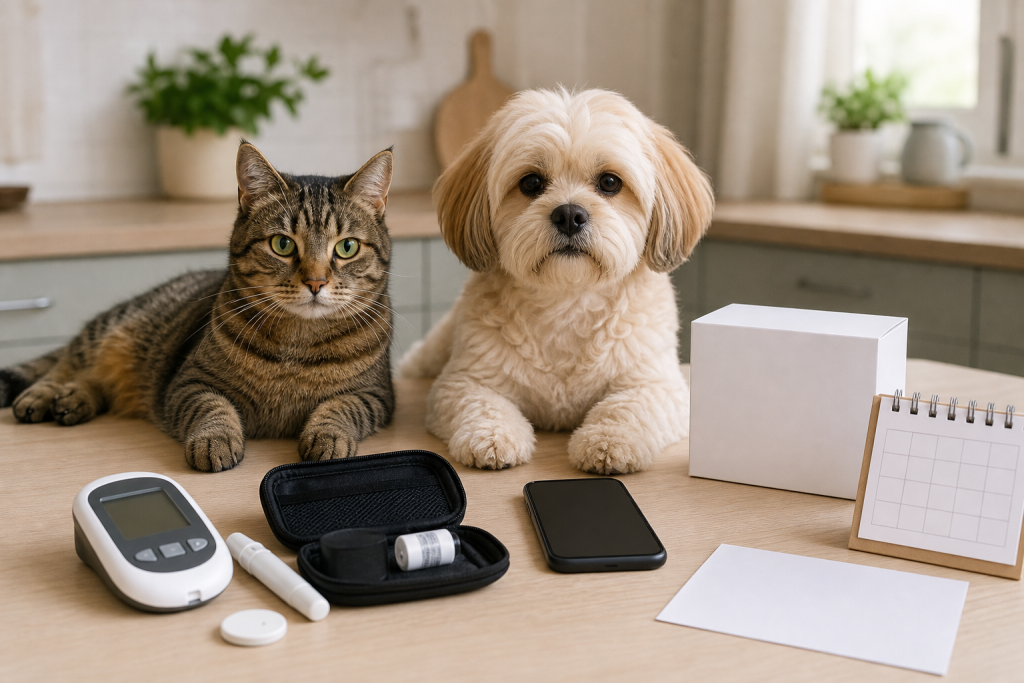
#continuous glucose monitor
#pet diabetes
#pet glucose monitor
#pet tech deals
A pet glucose monitor deal is only useful if your veterinarian wants that type of data and can interpret it for your dog or cat. The hidden cost is not just the reader or sensor, it is the ongoing strips, sensors, app access, vet setup, adhesive supplies and possible replacements when a sensor falls off early. Before you buy one because it looks cheaper online, ask which meter or continuous monitor your clinic supports.
This matters now because glucose monitoring is becoming a bigger part of diabetic pet care, especially for cats. The 2026 AAHA feline diabetes guidance discusses continuous glucose monitoring alongside blood glucose curves, while veterinary-focused CGM systems are also being promoted for clinics. That does not make every online kit a smart checkout decision for every pet.
Why the Deal Can Mislead
The product page may make the hardware look simple: buy a meter, scan a sensor, open an app and watch the numbers. In real life, the value depends on whether the device is calibrated or appropriate for veterinary use, whether your clinic can use the reports, whether low readings need confirmation and whether your pet will keep the sensor in place long enough to justify the cost.
AAHA’s 2026 cat guidance says glucose monitoring can include blood glucose curves and continuous glucose monitoring, and it notes that different monitoring approaches can conflict. It also says glucometers intended for people are easy for caregivers to find, but the task force does not recommend them for cats because they are not veterinary-calibrated. That is the shopping trap: a human device can look cheaper at checkout while creating data your vet may not trust for decisions.
Ask These Questions Before Checkout
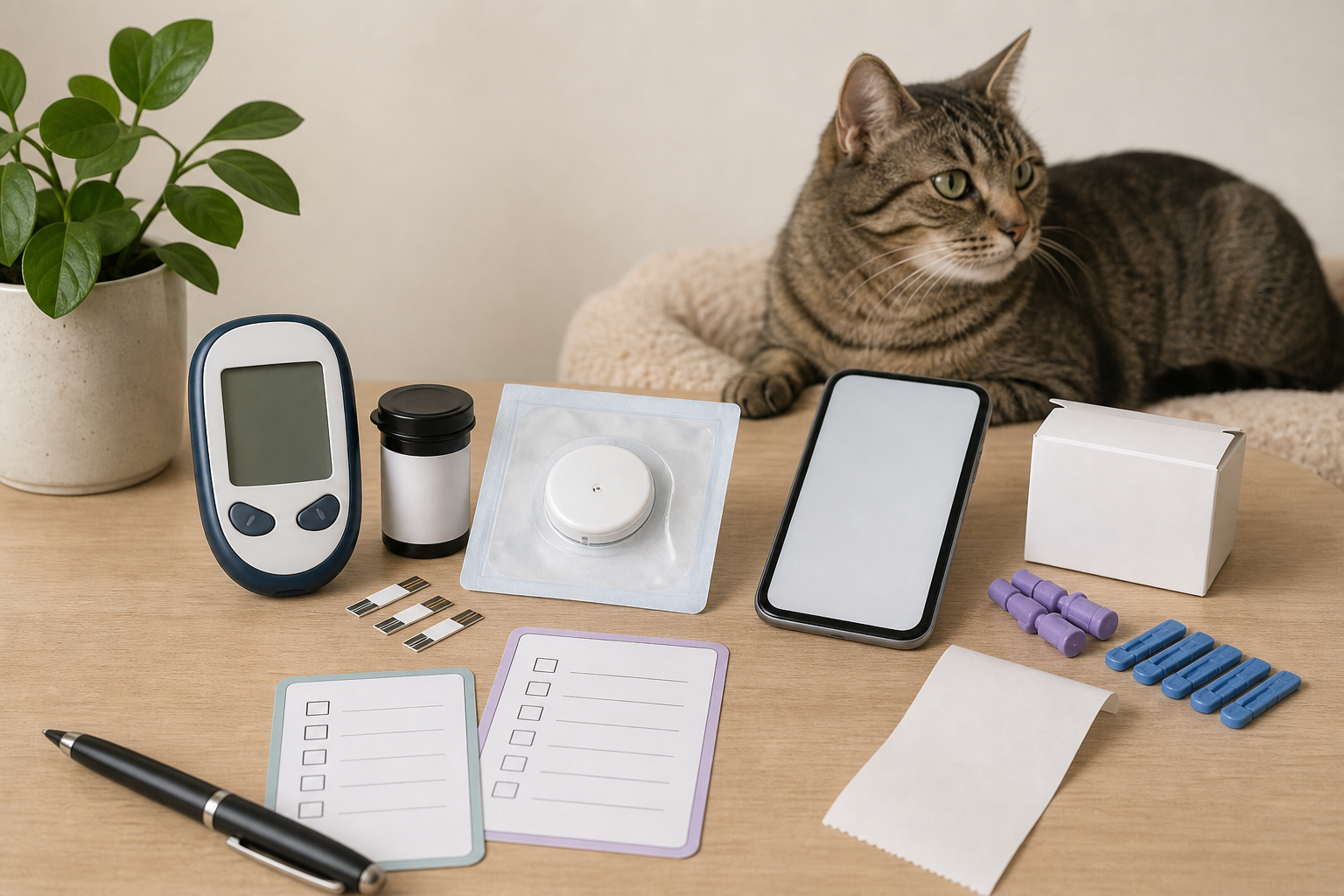
Start with your vet’s preferred option. Some clinics may want a veterinary-calibrated blood glucose meter, some may place or supervise a continuous glucose monitor, and some may recommend a specific reporting workflow. If the clinic cannot read the app export or does not want readings from that device, the discount is weaker than it looks.
Then price the repeat purchases. For a handheld meter, check the cost and availability of compatible strips, control solution, lancets, batteries and replacement readers. For a CGM, check the sensor wear period, whether a reader or phone is required, whether the app works on your phone, whether the clinic portal is included and what happens if the sensor stops working or comes off early.
Merck Animal Health notes that dog blood glucose readings can be affected by food intake, exercise, cooperation, stress and other conditions. That is why the cheapest device is not automatically the best value. The practical question is whether the kit helps your vet see a useful pattern, not whether it produces a number at home.
Continuous Monitor or Handheld Meter?
A continuous glucose monitor can be convenient because it tracks trends over several days and may reduce repeated blood sampling. AAHA’s 2026 cat guidance says CGMs can capture routine home activity and may reveal overnight lows that a standard curve can miss. It also warns that sensors do not always function or remain attached for the full wear period, and that low readings may need confirmation with a veterinary-calibrated pet blood glucose meter.
A handheld meter can still be useful when your veterinarian recommends it and trains you on the process. The purchase is usually easier to understand, but the recurring strip cost can add up. Check whether the starter kit includes only a small number of strips, whether the strips expire quickly and whether replacements are sold by the same seller.
For either format, do not treat a monitor as permission to adjust insulin or medication yourself. This article is shopping guidance, not medical advice. Your veterinarian should decide what to measure, how often to measure it and what the results mean for your pet.
The Deal and Coupon Checks
If you see a coupon, verify it against the full basket rather than the device price alone. A discount on the reader can be erased by full-price strips, a separate sensor pack, shipping, app requirements or a short return window. If the listing is on a marketplace, check the seller name, expiration dates for strips or sensors, warranty support and whether opened medical-style supplies can be returned.
Be careful with bundles that hide the math. A kit that includes ten strips can look cheaper than a kit with fifty, but it may cost more after the first week of monitoring. A CGM listing can also look attractive until you realize each sensor has a limited wear period and may need vet placement or clinic approval.
Do not assume a pet insurance or wellness plan will reimburse the device. If coverage matters, check the policy before buying and ask whether your vet must prescribe, place or document the monitor.
What to Avoid
Avoid buying a human meter or sensor solely because it is cheaper unless your veterinarian has specifically told you it is acceptable for your pet’s situation. Avoid any seller that makes diagnosis, dosing or emergency promises from a device listing. Avoid expired strips, unclear sensor storage details, missing app compatibility notes and refurbished readers with no warranty.
Also avoid panic-buying a glucose monitor after seeing thirst, weight loss, appetite changes or litter box changes. Those signs need veterinary evaluation. A shopping cart cannot diagnose diabetes, and the wrong monitor can delay the appointment that actually matters.
Quick Answers
Can I buy a human glucose meter for my pet?
Only if your veterinarian says that specific meter and workflow are acceptable. AAHA’s 2026 cat guidance cautions against human glucometers for cats because they are not veterinary-calibrated.
Is a continuous glucose monitor always better?
No. CGMs can give useful trend data, but they have sensor-life, attachment, app and confirmation limits. Your vet should decide whether the added data is worth the cost for your pet.
What is the biggest hidden cost?
Replacement supplies. Strips, lancets, control solution, sensors, adhesives, app access and repeat vet checks can matter more than the first device discount.
Should I change insulin based on a monitor reading?
No. Use the data the way your veterinarian instructs. Do not change medication or dosing based on a shopping article, app alert or single reading.
Sources
Last checked: 2026-07-19 16:35 Europe/Rome.
- AAHA, 2026 AAHA Diabetes Management Guidelines for Cats, Section 13: Glucose Monitoring
- AAHA, Continuous Glucose Monitoring System, FreeStyle Libre
- Merck Veterinary Manual, Diabetes Mellitus in Dogs and Cats
- Merck Animal Health, Monitoring and Controlling Canine Diabetes
- Merck Animal Health, Glucose Curves in Canines
- dvm360, Veterinary continuous glucose monitor to relaunch in 2026
- Adapet Medical, CGM for diabetic pets