
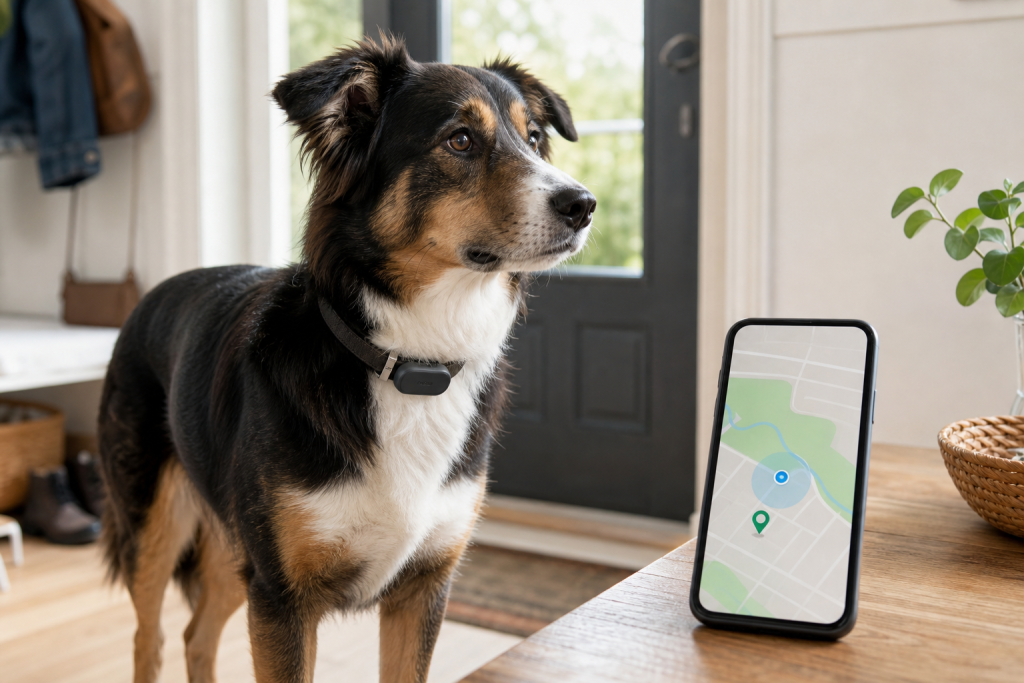
#GPS pet tracker
#pet travel tech
#smart pet tech
A GPS pet tracker deal can fail at the border if the device, subscription tier or cellular network does not work where you are traveling. Before buying one for a dog or cat trip, check the tracker company’s country coverage, the plan level needed for multi-country use, the return window and whether your phone will still have data when you need the app most. A tracker can help after an escape, but it is not a substitute for airline rules, entry documents, a microchip and a readable ID tag.
Why this matters now
Pet travel shopping is busy again as owners book fall trips, holiday travel and longer stays away from home. At the same time, GPS collars and smart pet tags are being marketed as travel safety upgrades, especially for dogs that hike, camp, visit family or cross borders.
The hidden problem is that “GPS tracker” does not always mean the same thing in every country. Many pet trackers use GPS to estimate location, then use mobile networks to send that location to your phone. If the plan is limited to one country, if the destination has weak compatible cellular coverage, or if the device cannot be activated in that market, a good-looking deal can become an expensive collar ornament.
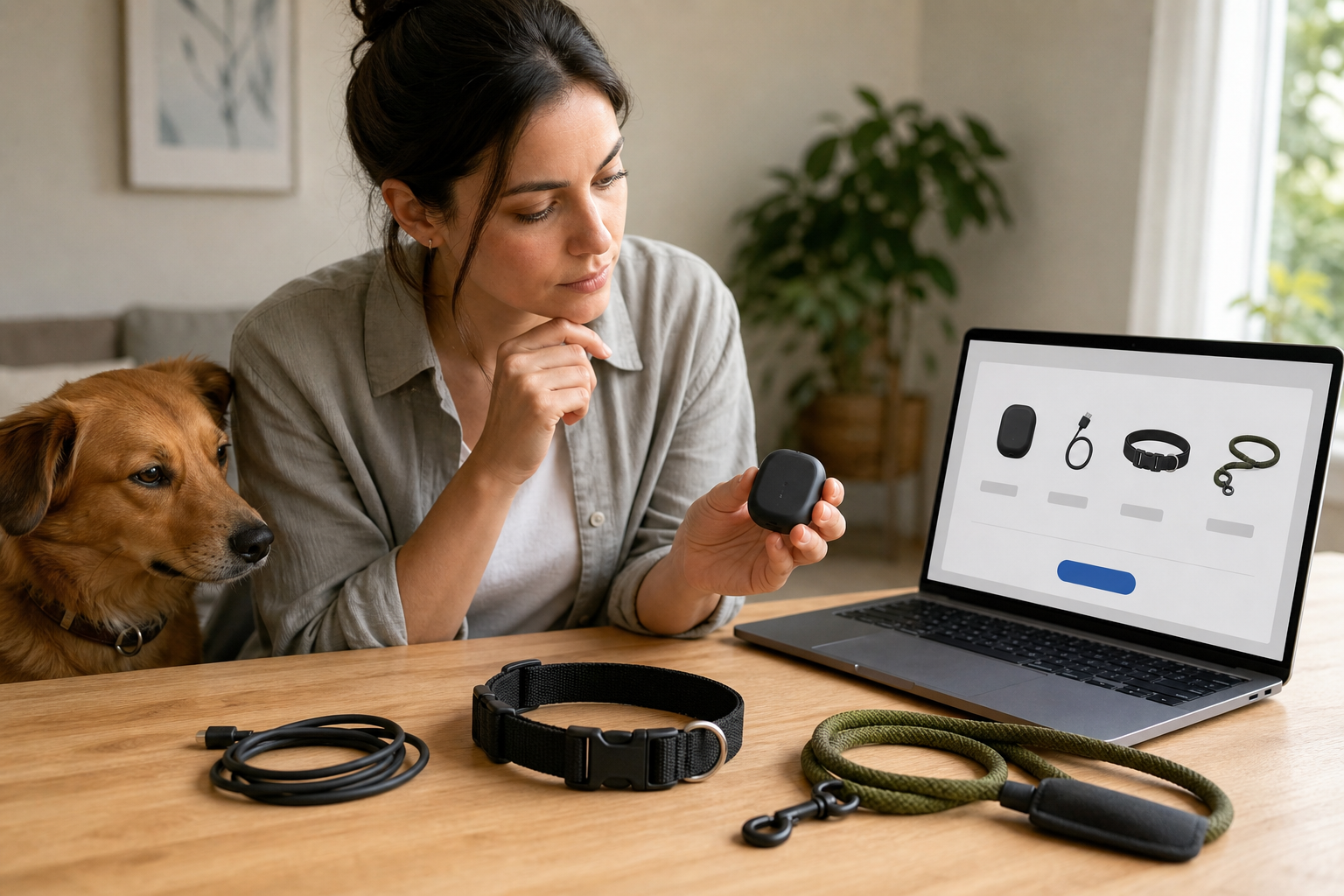
The border check most shoppers miss
Start with a simple question: will this exact tracker and subscription work in every country on the trip? Tractive says its Premium plan works in 175-plus countries where compatible cellular and GPS coverage are available, while its Basic plan is limited to one country. That distinction matters if you live near a border, drive through multiple countries or buy a tracker shortly before an international move.
Other brands use different plan language. Life360’s product terms say Pet GPS services are available in many countries and may depend on wireless service coverage, hardware limits, battery life, settings and permissions. Fi’s support pages warn that LTE reporting can be affected by coverage limits, especially in rural or wooded areas. Those details do not make the products bad, but they do mean the checkout page is only the start of the buying decision.
If the product listing says “worldwide,” “nationwide” or “no roaming fees,” treat that as a prompt to read the support page. You want to know whether the claim applies to the device, the app, the paid plan, the mobile network, or only certain versions sold in certain countries.
What to verify before checkout
Use this list before you pay for the tracker, not after the box arrives.
- Country coverage: Search the manufacturer’s help center for a supported-country checker or coverage page. Confirm each destination and stopover, not just your home country.
- Plan tier: Check whether multi-country tracking needs a higher subscription tier. A cheaper plan can be fine at home and still fail on a trip.
- Activation rules: Some devices, subscriptions or payment options can vary by country. Make sure you can activate and renew the service from where you actually live.
- Cellular dependency: GPS location still has to reach your phone. If the tracker uses cellular networks, weak service can delay or prevent updates.
- Phone data: Your phone also needs working data or Wi-Fi to view the app, change settings and receive alerts.
- Battery expectations: Live tracking, weak signal and travel days can drain batteries faster. Check the charging cable, charging time and whether a spare charger is easy to buy.
- Collar fit: A tracker that is too large, loose or heavy can be uncomfortable or easier to lose. Match the device to the pet’s size and collar setup.
- Return window: If possible, test the tracker before the trip while you can still return it. Do not wait until departure week.
The deal math is not just the sale price
A low hardware price can be useful only if the ongoing service matches the trip. Compare the first-year total: device price, activation fee if any, required subscription tier, accessories, replacement clips, taxes and shipping. If one plan works only in one country and another covers cross-border travel, the cheaper device may not be the cheaper trip tool.
Also check cancellation and renewal terms before you accept a long billing interval. Some tracker plans show a monthly equivalent even when the checkout charges a longer period upfront. That may be fine if you want the device year-round, but it is a poor surprise if you only wanted coverage for one vacation.
Coupon and sale pages deserve the same caution. Do not assume a promo applies to subscription service, multi-country coverage, replacement devices, lost-device protection or add-on pet profiles. Read the cart line by line and save the receipt, plan name and renewal date.
What a tracker cannot replace
A GPS tracker is not a pet passport, airline approval, import permit or health certificate. USDA APHIS tells U.S. travelers to check destination-country requirements, work with an accredited veterinarian when a health certificate is needed and confirm airline requirements. A tracker can help you look for a lost pet, but it does not make a pet eligible to travel.
It also does not replace permanent identification. Keep your pet’s microchip registration current and use an ID tag with a phone number that works while traveling. If you use a temporary travel number, test it before the trip and make sure someone can answer.
When a cheaper tracker may be enough
If your pet is not crossing a border, rarely leaves a familiar neighborhood and already wears a readable ID tag, you may not need the most travel-heavy subscription. A simpler tracker or Bluetooth-style finder can be enough for locating a collar around the house or checking a nearby area, but read the range limits carefully. Bluetooth and crowd-network tags are not the same as live cellular GPS trackers.
For hiking, rural travel, camping or international trips, the safer shopping move is to match the tool to the route. A device that works well in a city may update slowly in a valley, on a ferry, near a national border or anywhere cellular coverage is patchy.
What to avoid
- Buying a tracker the night before travel without testing activation, charging, app alerts and collar fit.
- Assuming “GPS” means live tracking without a paid plan or cellular coverage.
- Picking a one-country plan for a route that crosses a border.
- Ignoring app permissions, because location alerts can fail if the phone blocks notifications or background activity.
- Trusting a sale badge without checking renewal timing and the refund policy for both hardware and service.
- Using a tracker as the only lost-pet plan. Keep ID tags, microchip records and recent photos ready too.
Quick answers
Do GPS pet trackers work internationally?
Some do, but only under the right plan and coverage conditions. Check the brand’s country list and plan terms before buying.
Is a GPS tracker enough for pet travel?
No. It can help with recovery if a pet gets loose, but it does not replace travel documents, airline rules, microchip registration or a readable ID tag.
Should I buy the tracker from a sale page or the manufacturer?
Either can work if the seller is legitimate and the plan terms are clear. Before paying, confirm warranty support, activation eligibility, returns and whether the subscription is bought separately.
What is the best deal check?
Calculate the first-year cost for the exact route you will travel. Include hardware, subscription tier, activation fees, accessories and renewal timing.
Sources
Sources last checked: September 24, 2026, 04:34 CEST, Europe/Rome.
- Tractive Help Center, Can I use Tractive when traveling abroad?
- Tractive Help Center, Tractive subscription plans FAQ
- Tractive Help Center, Do I need cellular coverage?
- Fi Help Center, Fi Tracker LTE connectivity limitations
- Life360 Legal, Life360 Product and Services Terms
- USDA APHIS, Pet Travel Process Overview