

#dog paw balm
#hot pavement
#paw protection
#paw wax
#summer pet supplies
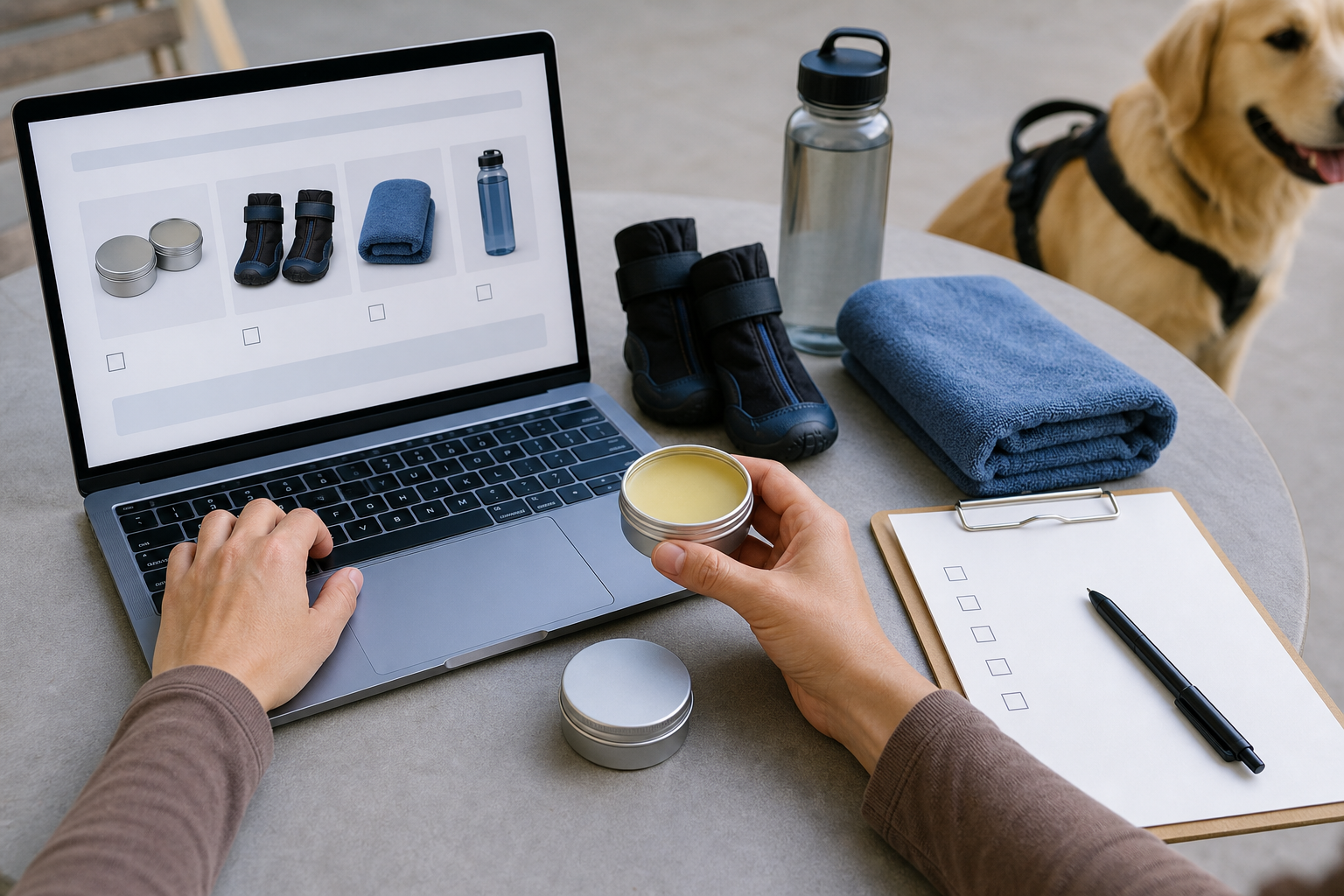
A paw balm deal is only useful if it helps with the right problem: dry pads, minor friction and short protected walks, not unsafe pavement. If the sidewalk is too hot for your hand, balm should not be the reason your dog keeps walking on it. Before buying, check whether the product is a wax-style barrier, a moisturizer, or just a nice-smelling tin that will wear off before the first block.
That matters now because summer pavement can become much hotter than the air temperature pet owners see in a weather app. AAHA updated its hot-pavement guidance in June 2026, warning that asphalt, concrete, sand, metal and artificial turf can all become risky in direct sun. A discounted paw balm can still be worth adding to a walking kit, but it should sit behind the bigger checks: timing, shade, surface temperature, fit-tested booties if needed, water and a clear return plan.
Why paw balm gets overbought in hot weather
Paw balm and paw wax are easy to add to a cart because they look cheap compared with dog boots, cooling gear or a changed walking routine. The mistake is treating a balm as heat armor. AAHA says hot surfaces can burn paw pads quickly, and recommends testing the ground, choosing cooler times and using paw protection only as part of prevention.
AKC guidance makes the same shopping point in a different way: dogs do not wear shoes, and their pads can be damaged when pavement stays hot. It also notes that products that moisturize pads may help with dryness, while boots or all-terrain footwear can offer more direct surface protection when they fit correctly. Those are different jobs, and a sale page does not always make the difference obvious.
The checkout checks that matter before you buy
Start by deciding what you need the product to do. If your dog’s pads are dry or rough, look for a pet-specific balm or wax with clear directions and ingredient information. If you need protection from hot pavement, do not rely on moisturizer language alone. Look for a barrier-style product and still plan walks around cooler surfaces.
Check how the balm is applied and how often the label says it should be used. A tiny tin may look inexpensive, but it can run out quickly on a large dog, on multi-dog households or during daily summer walks. If the directions call for application before every outing, compare cost per use rather than package price.
Read the ingredient list with licking in mind. Dogs may lick their paws after application, so avoid products that do not clearly say they are made for pets. Skip anything with a strong perfume claim, vague “all purpose” wording, or a label that looks like a human cosmetic being repackaged for pets. If your dog has allergies, irritated skin, open cracks, burns or repeated paw chewing, ask your vet before trying a new product.
Think about texture too. Greasy balm can transfer to floors, car seats and bedding. Very soft balm may melt in a hot car or backpack. A harder wax can be neater, but may be harder to apply quickly. None of those details are dramatic, but they decide whether the product gets used or sits in a drawer.
When boots beat balm
For dogs that must cross warm pavement, boots can be more protective than balm, but only if they fit and your dog accepts them. AKC recommends snug but not tight footwear, room for the feet to breathe, wrap-around closures and full-foot grip. AAHA also recommends introducing booties gradually indoors and checking often for rubbing or discomfort.
That means the cheaper purchase may be a small balm tin for dry pads, while the smarter heat purchase may be a boot set with a workable return policy. If your dog freezes, kicks off the boots or gets rubbed raw, the deal failed even if the product was discounted. Measure paws carefully and test indoors before depending on them outside.
How to tell if a paw balm deal is actually useful
A useful deal gives you a product you can use safely and often enough to justify buying it. Before paying, verify these details:
- Species and use: the product is clearly made for dogs, not just “natural skin balm.”
- Purpose: the label separates moisturizing from hot-surface protection.
- Directions: application timing, frequency and cleanup are clear.
- Size: the tin or stick is large enough for your dog’s weight, paw size and walking routine.
- Storage: it will not melt or leak in the place you plan to carry it.
- Returns: the retailer’s policy covers opened or unsatisfactory pet supplies, or clearly says it does not.
Retailer coupons can make sense when you are buying a balm alongside water bottles, towels, booties or other summer walking supplies. Just avoid padding the cart with products you have not checked. Petco’s site was showing seasonal summer, flea and tick, and cooling shopping areas when checked, which is a reminder that summer pet aisles are designed to encourage add-ons. Treat every add-on like a separate purchase decision.
What to avoid
Avoid any paw balm listing that implies it makes hot pavement safe. Paw products can reduce friction or add a barrier, but they do not change the surface temperature. If the ground fails the hand test, choose grass, shade, a cooler hour or indoor enrichment instead.
Do not buy a balm as the answer for burns, blisters, bleeding, deep cracks or sudden limping. AAHA advises moving pets off the hot surface and contacting a veterinarian for significant burns or injury concerns. This article is shopping guidance, not treatment advice.
Also avoid buying oversized multi-packs before you know your dog will tolerate the product. Dogs may dislike the smell or feel, and some will lick it off immediately. A trial size or single tin is often the better first purchase, even if the unit price looks higher.
Quick answers
Can paw balm protect dogs from hot pavement?
It may help as a barrier for some short outings, but it is not a pass to walk on unsafe surfaces. Test the pavement first and avoid hot asphalt, concrete, sand, metal and artificial turf when they are too warm.
Is paw balm better than dog boots?
They solve different problems. Balm can help with dryness or light barrier protection. Well-fitted boots usually offer more surface separation, but they must fit, grip and be introduced gradually.
Should I buy a multi-pack?
Only after your dog tolerates the texture and the product fits your routine. For a first buy, a single tin or stick with clear directions is usually safer than chasing the lowest unit price.
When should I call a vet?
Call your veterinarian if your dog is limping, has blisters, bleeding, deep cracks, persistent paw chewing, sudden swelling or signs of heat stress. Do not try to solve those problems with a shopping cart.
Sources
Sources last checked June 20, 2026, 04:33 Europe/Rome.
- AAHA, How to Protect Your Dog’s Paws from Hot Pavement.
- American Kennel Club, How Hot Is Too Hot for a Dog’s Paws?.
- ASPCA, Dogs in Hot Cars and Other Summer Dangers.
- CDC, Heat and Pets.
- Petco, Return Policy and current seasonal shopping navigation, used for retailer-policy and summer-shopping context.