
#cat dental care
#dog dental care
#pet dental wipes
#VOHC
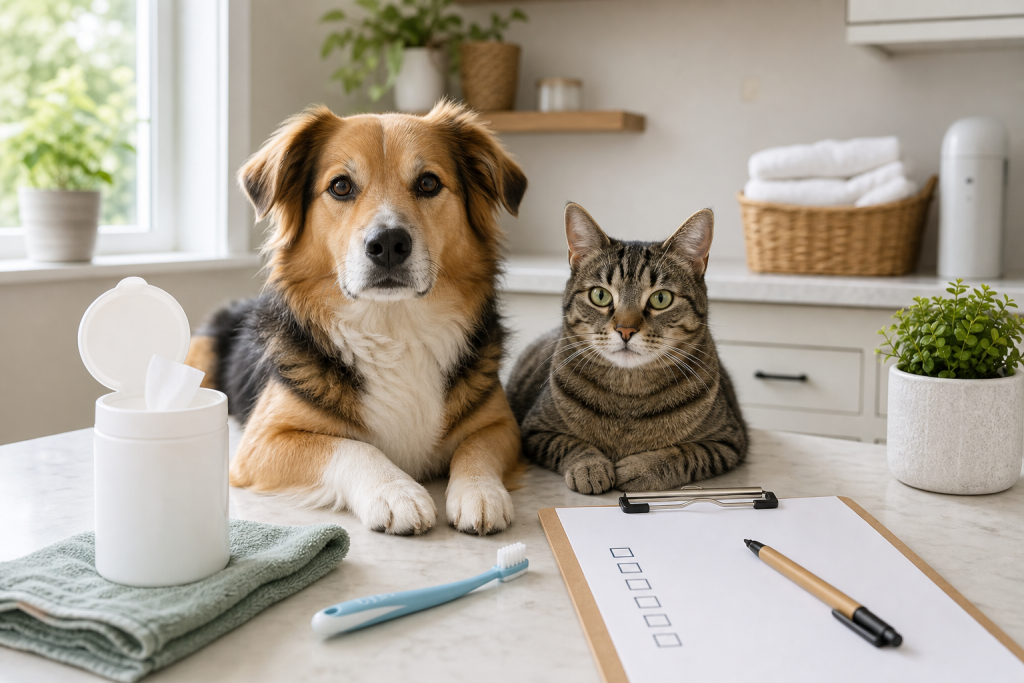
Pet dental wipes can be worth buying when they help you clean your dog or cat’s teeth more consistently, but they are not a magic replacement for brushing or veterinary dental care. The checkout mistake is treating a cheap wipe tub like proof that the product will control plaque or tartar. Before you buy, check the evidence behind the claim, the wipe count, the flavor or texture, and whether your pet will actually let you touch their teeth.
That matters now because dental products are an easy add-on when shoppers are already cutting back on optional pet treats and focusing on essentials. It also matters because dental-wipe claims are getting more specific: in 2026, Vetradent Dental Wipes for Dogs appeared in coverage for earning the Veterinary Oral Health Council Seal of Acceptance for tartar control in dogs. That is useful context, but it does not mean every dental wipe on a deal page has the same evidence.
Why dental wipes look like an easy win
A wipe sounds simpler than a toothbrush. You wrap it around a finger, rub the outer tooth surfaces, toss it, and avoid storing a wet brush. For pets that hate bristles or a full brushing routine, that lower-friction step can be the difference between doing something regularly and giving up after a week.
The problem is that “easy” can make shoppers overbuy. A multi-pack may look cheaper, but if the wipes dry out, the lid stops sealing, or your pet will not tolerate finger contact near the mouth, the per-use cost gets ugly fast. Dental wipes also do not clean by themselves. They need physical contact with the teeth, a calm pet, and a routine you can repeat.
The evidence check before you trust the label
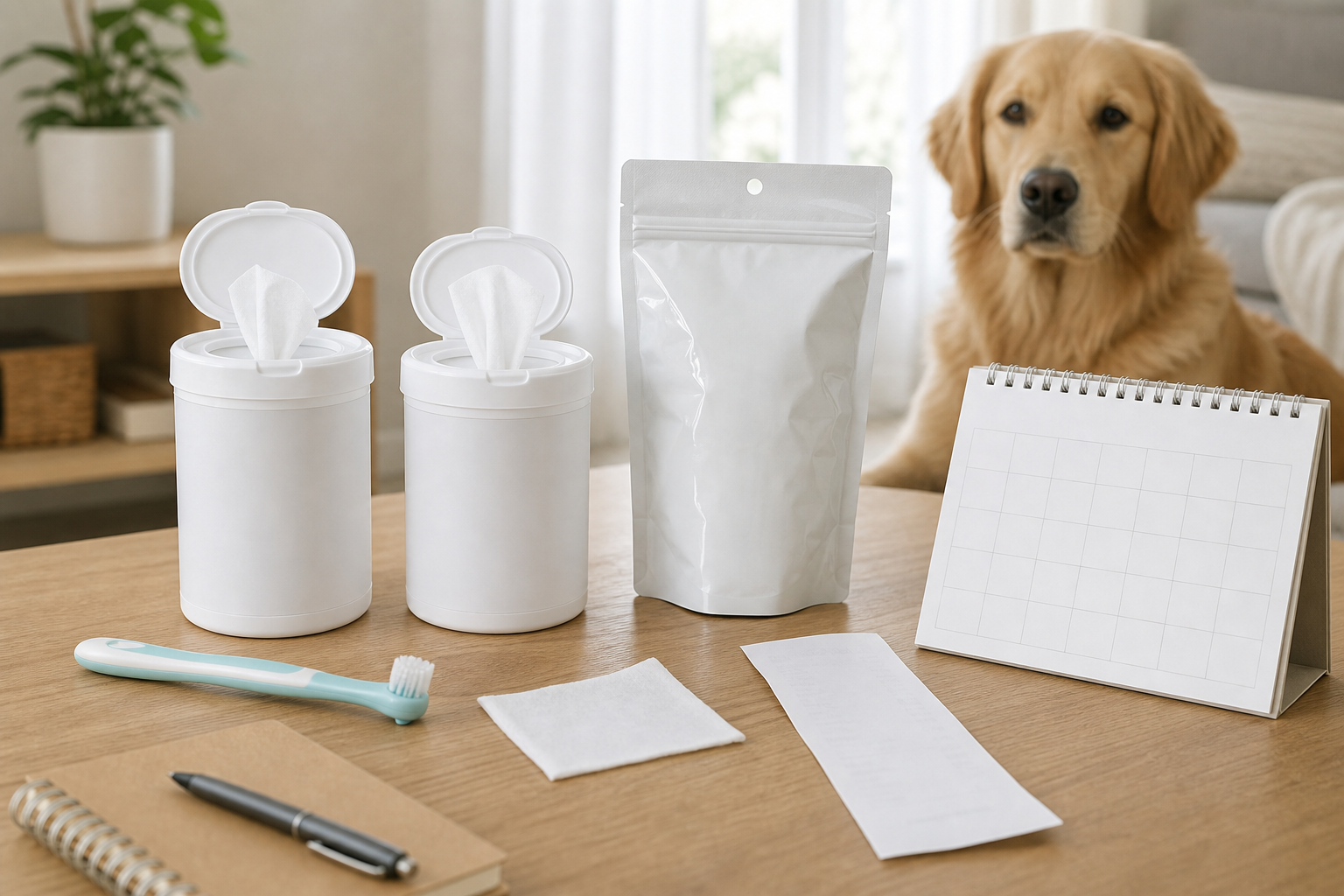
Start with the exact claim. “Freshens breath” is not the same as “helps control plaque” or “helps control tartar.” The Veterinary Oral Health Council lists accepted products by species and category, including toothbrushes and wipes, and it separates plaque and tartar claims. In the VOHC list, VETRADENT Dental Wipes are listed under dog toothbrushes and wipes with a tartar claim, consumer availability and a 2026 seal award.
That distinction matters at checkout. A product may be marketed broadly, but the accepted claim can be narrower than the front label makes it feel. dvm360 reported that the Vetradent wipe seal applied to canine use based on submitted data, even though the product was marketed for dogs and cats. If you are buying for a cat, do not assume a dog-specific dental claim automatically applies.
Also check whether the seal is on the product you are buying, not just the brand. Dental companies often sell chews, water additives, toothpastes, sprays and wipes under similar names. The accepted-product list is the cleaner place to verify which format earned which claim.
How to do the wipe-count math
Do not compare dental wipes by tub price alone. Compare by usable wipe, by number of pets, and by how often you realistically plan to use them.
If one tub has 60 wipes and you have one dog, daily use lasts about two months. If you have two pets and use one wipe per pet, the same tub lasts about one month. If the product says to use more than one wipe per session, the deal shrinks again. A cheap two-pack is only a bargain if the second tub stays sealed and moist until you need it.
For subscription or autoship carts, check the refill interval before placing the order. Dental wipes are small, so they are easy to add to a free-shipping threshold, but that does not mean you need a recurring delivery every month. Start with one container unless you already know your pet accepts the routine.
What to check on the product page
Read the species line first. A dog dental wipe may not be right for a cat, and a cat may object to scents or flavors that a dog ignores. Then check the age guidance, ingredient list, directions, seal status, wipe size, packaging style and whether the lid or pouch is designed to stay closed after opening.
Look closely at photos and reviews for drying complaints. A wipe that dries out halfway through the tub turns a decent sale into a bad one. For pets with small mouths, a thick or heavily textured wipe may be harder to use than a soft brush or gauze. For pets that chew or panic when a finger gets near the mouth, a wipe can be riskier than it looks because your hand is close to the teeth.
Do not buy a large pack because you feel guilty about not brushing. Buy the format that makes a realistic routine easier. The AVMA says regular tooth brushing is the single most effective action owners can take between dental cleanings, while also noting that cats may be more resistant and that patience matters. Wipes can support an at-home routine, but they should not be sold to yourself as a full dental plan.
Deal and coupon checks before paying
Dental wipes often appear in oral-care bundles, new-customer offers and buy-more pet-supply promotions. Before paying, verify that the discount applies to the exact product and quantity in your cart. Some retailers exclude pharmacy, veterinary diet, autoship, subscription or third-party marketplace items from certain promotions, and oral-care products can sit in different store categories.
Check the return policy before opening a multi-pack. Hygiene products may be harder to return once opened, and a pet refusing the flavor is not always treated like a defective item. If you are buying through a marketplace, confirm the seller name, shipping source, expiration or best-by visibility where available, and whether the product images show the same package count as the cart.
For a first trial, a smaller container can beat the lowest unit price. If your dog or cat accepts the wipe, you can compare refills later. If they reject it, you have limited the waste and can ask your veterinarian about another home-care option.
What to avoid
Avoid any dental wipe listing that promises to fix dental disease, replace professional care, or solve bad breath without explaining what the product actually does. Bad breath can be a warning sign, not just a shopping problem. Do not keep trying new scented products if your pet has bleeding gums, loose teeth, facial swelling, trouble eating, pawing at the mouth, or breath that suddenly gets worse. Call your veterinarian instead.
Avoid human dental wipes, baby wipes or household cleaning wipes for a pet’s mouth. The mouth is not the same as a paw or coat, and ingredients that seem mild for people may not be intended for dogs or cats. Avoid products with vague species directions, missing ingredients, fake-looking certification badges, or claims that are not backed by an official accepted-product listing or a clear manufacturer explanation.
Finally, avoid turning the wipe into a fight. Colorado State University’s veterinary guidance frames daily brushing as the key preventive habit, but it also recognizes dental wipes as an alternative for some pets because they remove soft plaque without brush-bristle irritation. That benefit disappears if the routine makes your pet hide, bite, or fear handling.
Quick answers
Are dental wipes better than brushing?
Usually no. Brushing remains the stronger home-care standard, but dental wipes may be useful for pets that will not tolerate a brush or for owners building a routine gradually.
Should I only buy VOHC-accepted wipes?
A VOHC listing is a useful evidence check because it identifies accepted products and the specific plaque or tartar claim. It is not the only thing to check, but it is better than relying on packaging language alone.
Can cats use dog dental wipes?
Do not assume that. Check the product’s species directions and the evidence behind any claim. If your cat has mouth pain, bad breath or gum changes, ask your veterinarian before trying a new oral-care product.
How many wipes should I buy first?
For a new routine, one small container is usually smarter than a bulk pack. Confirm tolerance, lid seal, texture and routine fit before chasing the lowest unit price.
Sources
Sources last checked: September 10, 2026, 10:38 CEST, Europe/Rome.
- Veterinary Oral Health Council, accepted products list.
- American Veterinary Medical Association, pet dental care.
- dvm360, dental wipes for dogs earn VOHC Seal of Acceptance.
- Colorado State University Veterinary Teaching Hospital, preventing dental disease in dogs and cats.
- VeterinaryPartner, dental care in dogs and cats.