
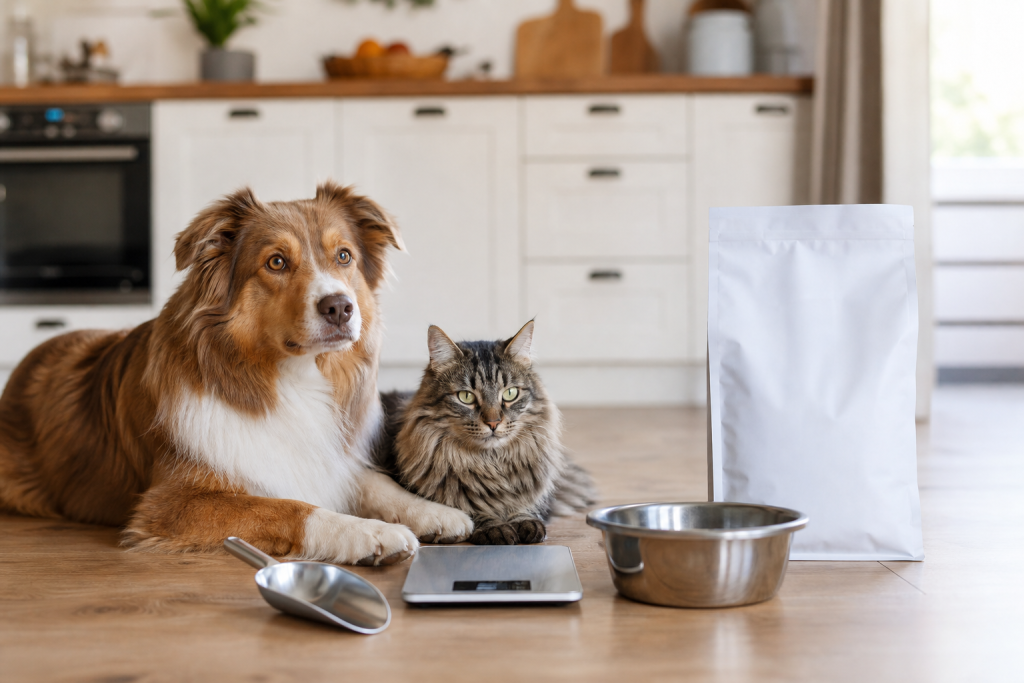
#pet feeding
#pet food deals
#pet food portions
#pet food scoop
A cheap pet food scoop can change every meal because “one scoop” is not always the amount your dog or cat actually needs. If the scoop does not match the food label, or if the kibble size makes the scoop uneven, you can quietly overfeed or underfeed for weeks. The better buy is often a simple scoop plus a small gram scale, not a fancier feeding gadget.
That matters now because summer pet-food shopping often means bulk bags, autoship orders, travel sitters and hot pantries. Pet owners are also paying more attention to lot codes and recall checks, which makes it worth keeping the original bag and measuring meals consistently instead of dumping food into an unlabeled bin and guessing at dinner.
Why the scoop looks harmless but changes the bill
Most dry pet food labels give feeding directions by cups, calories and sometimes grams. The problem is that a scoop sold as “one cup” can be heaped, loosely filled, tightly packed or simply too large for the portion your pet needs. A few extra tablespoons per meal can turn into extra food cost, faster bag turnover and a harder conversation with your vet at the next weight check.
This is especially easy to miss with cats, toy-breed dogs, senior pets and pets on a weight plan, because their daily dry-food amount may be small. A scoop that is convenient for a large dog can be too blunt a tool for a cat eating small portions.
What to check before buying a pet food scoop
Start with the label on the food your pet actually eats. Look for calories per cup, calories per kilogram, feeding directions by weight and any storage instructions. If the label gives grams, a kitchen scale that can tare the bowl is usually more useful than a decorative scoop.
- Capacity: Avoid oversized scoops if your pet eats less than a full cup per meal.
- Markings: Raised or engraved marks are easier to keep than printed marks that can wear off.
- Shape: A narrow scoop may fit the bag better, but it can make leveling food less consistent.
- Cleaning: Smooth stainless steel or food-safe plastic is easier to wash and dry between uses.
- Scale compatibility: If portions are small, buy a scoop that works with a gram scale instead of replacing the scale.
- Storage: Do not leave the scoop buried in oily kibble if it gets dirty or makes the bag harder to close.
The checkout mistake: buying volume when you need weight
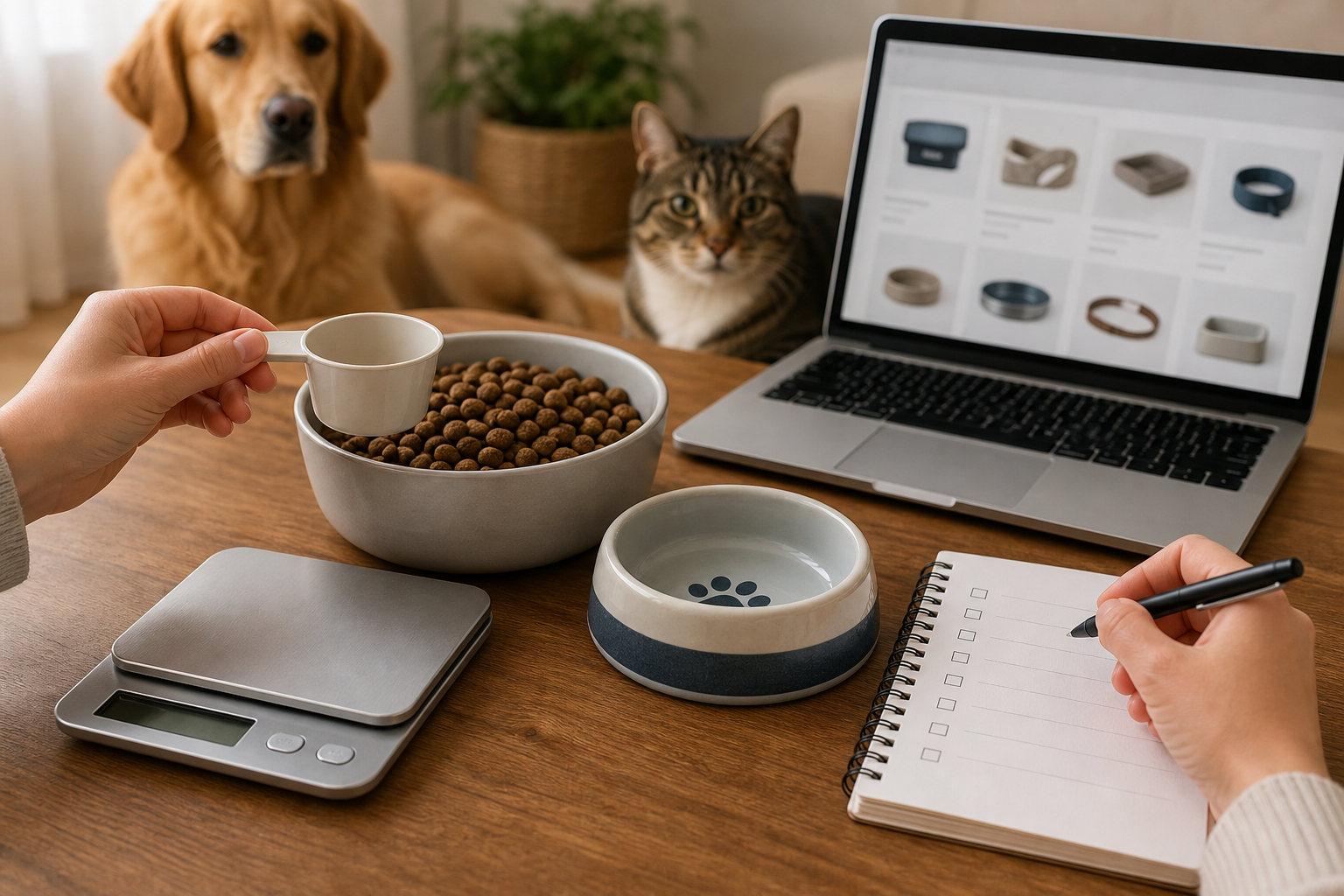
A scoop measures volume. A scale measures weight. That difference matters because kibble pieces vary by shape, air space, density and how the scoop is filled. Two level cups from different foods may not deliver the same calories.
If your veterinarian has told you to feed a certain number of calories or grams, a scoop alone is not precise enough. Use the food label to translate the plan into a measurable amount, and ask your vet if you are not sure how treats, toppers or wet food should be counted.
For ordinary maintenance feeding, a scoop can still be useful. The trick is to calibrate it once. Weigh the amount you normally call “one scoop,” write down the grams, then adjust if the label or your vet’s plan says the portion should be different.
Deal and coupon checks before paying
A low-price scoop or scale is only a deal if it solves the actual feeding problem. Before checkout, verify the capacity, material, return window and whether the scale includes batteries. If the product page shows perfect pet portions but no clear markings, no dimensions or no cleaning instructions, treat the discount as incomplete information.
For online orders, also check whether the item is sold by the retailer or a marketplace seller, whether returns are free, and whether a bundle includes extras you will actually use. A scoop, bag clip and small scale can be practical. A large decorative bin, novelty scoop and unmarked cup can be clutter if it pushes you back toward guessing.
What to avoid
Avoid buying a scoop because the product photo shows a dog or cat that looks like yours. Feeding portions come from the food, the pet’s body condition, age, activity and veterinary guidance, not from a generic breed image on a listing.
Also avoid pouring the whole bag into a container and throwing the packaging away. FDA guidance points owners toward keeping dry food in its original bag when possible, then placing that bag inside a clean, dedicated airtight container. The bag carries the lot code, best-by date and product details you may need if a recall or complaint comes up.
Do not treat a new scoop as a weight-loss tool by itself. If your dog or cat is gaining weight, losing weight, refusing food or begging constantly after a portion change, ask your veterinarian before making major diet changes.
A practical setup that works for most homes
For dry food, keep the original bag closed inside a clean airtight container. Use a simple scoop to move food neatly, then weigh the portion in the bowl if precision matters. Keep a note near the food with the current daily amount, including treats, so pet sitters and family members do not each invent their own version of “a scoop.”
If you feed wet food, toppers or treats, count those too. The scoop only measures one part of the day. A bargain on kibble can disappear if extra treats, broth, chews or table scraps are added without reducing the main meal under veterinary guidance.
Quick answers
Is a pet food scoop better than a kitchen scale?
A scoop is faster, but a gram scale is more consistent. For small pets, weight plans or calorie-controlled feeding, a scale is usually the better tool.
Can I use any measuring cup for dog or cat food?
You can, but use it consistently and level it the same way each time. If the label or your vet gives grams, weigh the portion instead of relying only on a cup.
Should I keep the pet food bag?
Yes, when possible. The original bag helps preserve product information, including the lot code and best-by date, which are important for recall checks and manufacturer questions.
When should I ask a vet about portions?
Ask if your pet is overweight, underweight, growing, pregnant, senior, on a prescription diet, eating multiple foods or showing appetite changes. This article is shopping guidance, not a feeding prescription.
Sources
Sources last checked June 27, 2026, 13:33 Europe/Rome.