
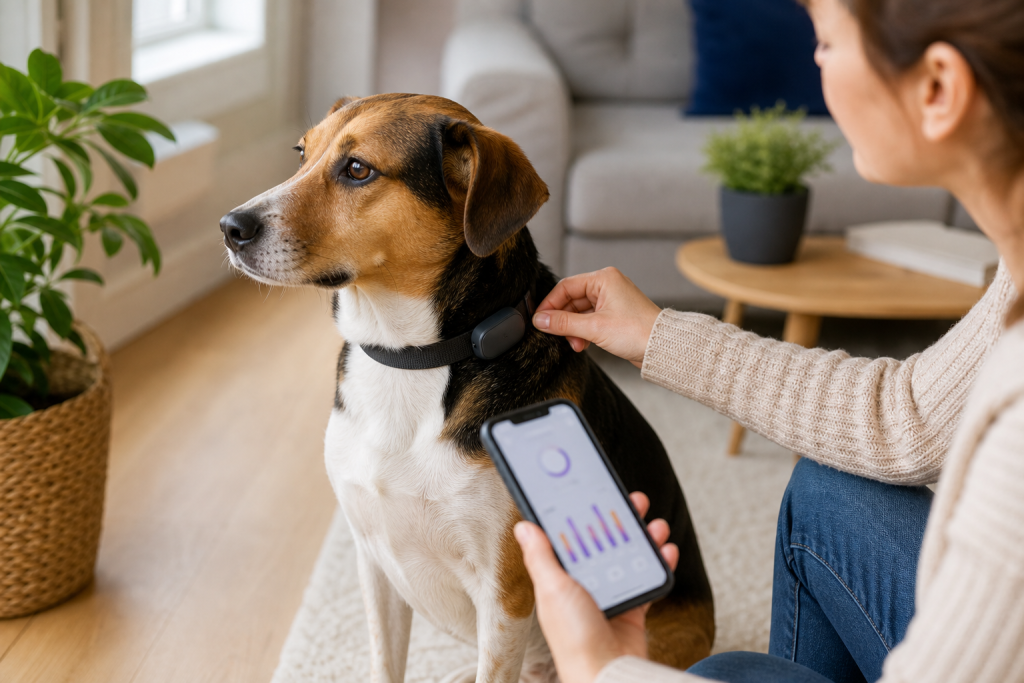
#GPS pet tracker
#Life360 Pet GPS
#pet subscriptions
#pet tech
A pet GPS tracker with a first year included can still become a subscription decision, not a one-time gadget deal. Life360’s new pet GPS offer is useful for dogs or cats that roam, but shoppers should check the renewal price, app access, battery habits and privacy settings before they treat the bundle as finished at checkout. The cheaper QR pet tag may be enough for some indoor pets, while live GPS makes more sense for escape-prone pets and families willing to maintain the plan.
Why this tracker deal matters now
Back-to-school season changes household routines. Doors open at different times, dog walks shift around classes and commutes, and pet care can move between family members. Life360 announced new pet-focused care features on August 25, 2026, including shared routines, activity roundups, a QR code Pet Tag and a more accessible Pet GPS Silver Bundle.
The timely shopping hook is the bundle language. Life360 says the Pet GPS tracker can include a first year of Silver membership, then renew after month 12. That makes the checkout price only the first part of the decision. The question is whether your pet needs live location tracking badly enough to justify the renewal, the app permissions and the daily charging discipline.
The renewal check owners can miss
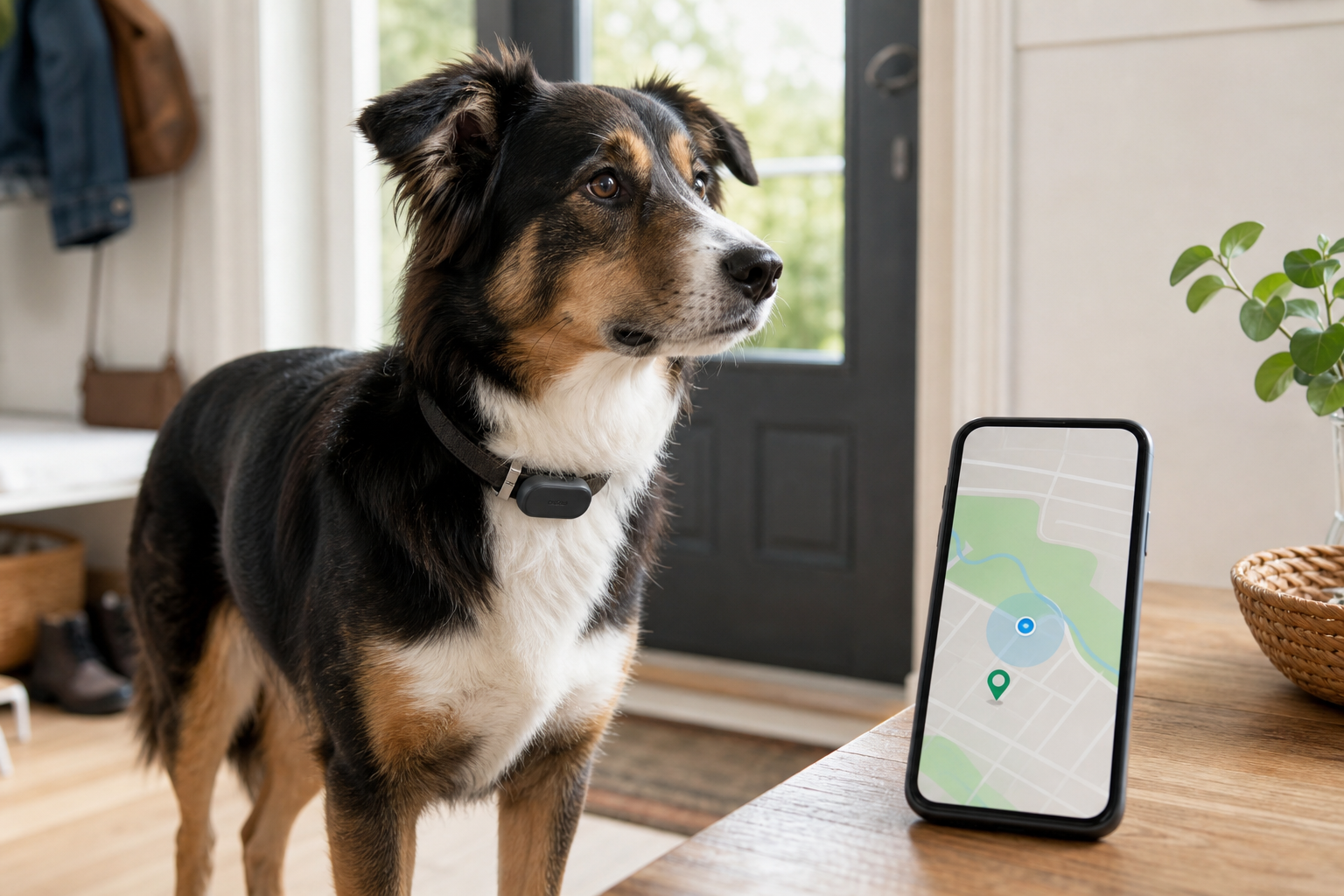
Life360’s pet safety page describes a first year of Silver membership included with Pet GPS for eligible users and says it renews at $99.99 per year after month 12 unless canceled beforehand. Its investor announcement also describes a Silver Bundle that includes a Pet GPS tracker and Silver tier subscription service for $99, renewing at $99 per year.
Those details do not make the offer bad. They do mean the “deal” should be judged over two or three years, not just the first cart total. Before buying, write down the device price, any included membership period, the renewal date, whether taxes or activation charges apply, and what happens if you already have a paid Life360 plan.
Also check whether the features you want are tied to a membership tier. Live GPS, geofences, escape alerts, lost-pet network features, location history and family safety features may not all behave the same way if a trial ends, a plan changes or a Circle member loses access.
Pet GPS or QR tag?
The Life360 Pet Tag is a different product from the Pet GPS tracker. The tag is a QR code ID tag. Life360 says the finder can scan it with a phone and contact the owner without downloading an app. It does not give you real-time location before someone finds the pet.
The Pet GPS tracker is for owners who want location updates, geofences and escape alerts. That can be worth paying for if your dog slips gates, your cat goes outdoors, a sitter handles door duty, or your household already uses Life360. For an indoor-only cat in a secure apartment, a scannable ID tag plus a registered microchip may be the more sensible purchase.
Think of the products as two layers. A QR tag helps after contact with a finder. GPS helps while you are still searching. Neither replaces a collar fit check, a readable ID tag, updated microchip contact details or basic door and fence habits.
What to verify before checkout
- Renewal date: Put the month-12 renewal on your calendar before the return window closes.
- Plan eligibility: Confirm whether the included year applies to new, free, current or paid members in your account situation.
- Coverage: Cellular GPS trackers depend on network coverage, so check your home, trail, rural and travel areas.
- Battery routine: Life360 advertises up to 14 days of battery and a reserve mode, but a tracker only helps if it is charged and attached.
- Collar setup: Make sure the tracker is not too bulky for a small pet and cannot catch, twist or detach during normal movement.
- Shared access: Decide which family members, sitters or roommates should see alerts and pet location.
- Return terms: Check whether opening, activating or pairing the tracker affects returns with the retailer you use.
The privacy setting is part of the price
A pet tracker is still a location device in a human household. Life360’s privacy policy says its services can collect precise geolocation data, device information, movement information and pet profile details such as name, breed, color, weight, gender, birthday and profile photo when users provide them. It also describes privacy controls for advertising and partner sharing.
That does not mean every shopper should avoid the device. It does mean you should not treat the pet profile like a harmless toy account. Use only the pet details you need, review who is in your Circle, check privacy choices in the app, and decide whether family-wide location features are a benefit or a dealbreaker.
When the deal is useful
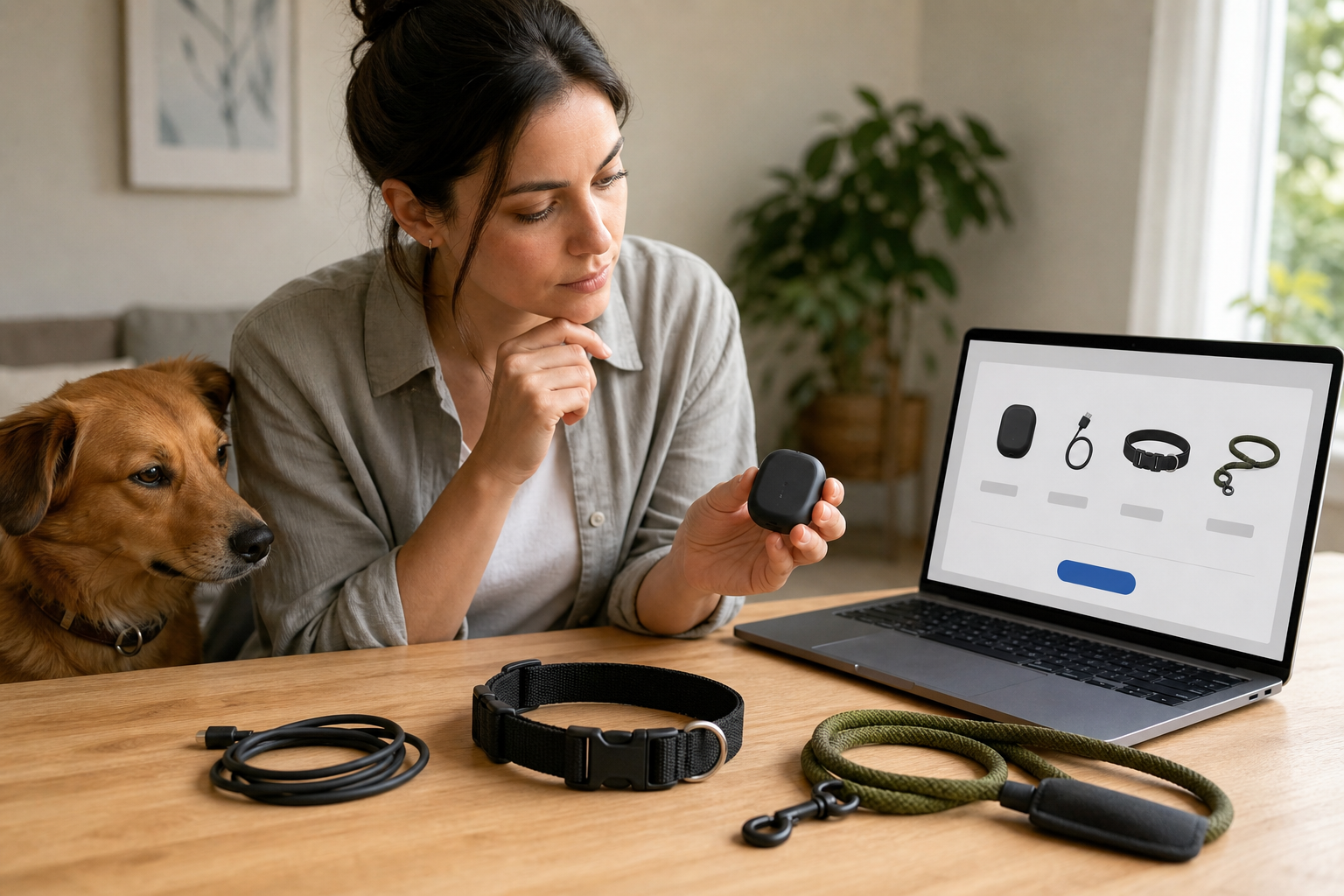
The bundle can be useful if you already wanted live pet tracking and would pay for a yearly plan anyway. It can also make sense for a dog that has escaped before, a cat with supervised outdoor access, a vacation home, a shared-care household or a pet sitter arrangement where multiple people need alerts.
It is less compelling if you only want a better ID tag, if you live somewhere with weak cellular coverage, if your pet cannot comfortably wear the device, or if you know you will ignore renewal notices. For those cases, compare a QR tag, an engraved tag, a microchip registry update and a lower-cost Bluetooth tracker before paying for cellular GPS.
Deal and coupon checks
Do not buy a pet tracker only because the product page says “included” or “no monthly fee” in a headline. Read the plan note beside the price, then check the cart, the retailer terms and the renewal wording on the manufacturer’s page. If a coupon applies, verify whether it discounts the hardware, the membership, both, or neither.
For marketplace listings, confirm the seller name, return window, color, country support and whether the membership is included for your account type. If the same tracker is sold through the manufacturer and a retailer, compare the warranty route as well as the upfront price.
What to avoid
Avoid buying a cellular GPS tracker as a substitute for secure doors, fenced-yard supervision or a microchip. Avoid attaching a bulky tracker to a fragile collar or a collar that does not fit your pet’s activity. Avoid creating a pet profile with more personal household detail than the feature needs.
Also avoid assuming a tracker is always live after the battery enters reserve mode. Life360 says reserve mode can keep the tracker findable through Bluetooth connections and occasional updates when nearby phones connect. That is helpful, but it is not the same as full real-time GPS.
Quick answers
Is the Life360 Pet GPS a one-time purchase?
Not if you want the live GPS service after the included period. Life360 says Pet GPS requires a Silver membership and renews yearly after the first year for eligible purchases.
Is the QR Pet Tag enough?
It may be enough for an indoor pet that mainly needs a scannable contact tag. It is not live tracking.
Should cats use GPS trackers?
Some outdoor or escape-prone cats can benefit, but size, collar safety, comfort and coverage matter. Ask your vet if your cat has mobility, skin or neck issues that make collar gear questionable.
What is the first checkout question?
Ask what the tracker will cost in year two, and whether you will still want the paid features once the first year is over.
Sources
Sources last checked: September 2, 2026, 04:34 CEST, Europe/Rome.