
#pet crate
#pet disaster prep
#Pet Emergency Kit
#storm pet supplies
A cheap pop-up pet crate is not automatically the right storm-season buy. It may be useful as a temporary indoor resting spot, but emergencies ask harder questions: can the crate contain your pet, fit in a vehicle, hold an ID label, and survive being moved while packed? Before you buy one because it is light or on sale, compare it with a sturdy carrier or wire crate that your dog or cat can actually use during an outage, evacuation, shelter stay, or rushed trip to a safer location.
That distinction matters right now because September sits inside peak Atlantic storm season, and recent severe-weather coverage has shown how quickly shelters and households can need crates, carriers, food, water, and backup supplies. A local shelter power outage in San Antonio also put emergency fostering and crate donations in the news, which is a useful reminder for ordinary shoppers: the best emergency crate is the one that works before the forecast gets ugly.
Why This Deal Looks Better Than It Is
Pop-up crates, fabric pens, and collapsible enclosures sell well because they solve an obvious storage problem. They fold flat, cost less than many rigid carriers, and look easy to toss into a closet with the rest of a pet emergency kit. For calm pets in a supervised room, that can be enough.
The problem is that emergency use is not the same as living-room use. A scared cat may push at seams. A dog may paw at mesh, chew zipper pulls, or lean into a side panel. If you need to evacuate, wait in a crowded lobby, stay with relatives, or move through a shelter intake area, the gear has to do more than look compact on the product page.
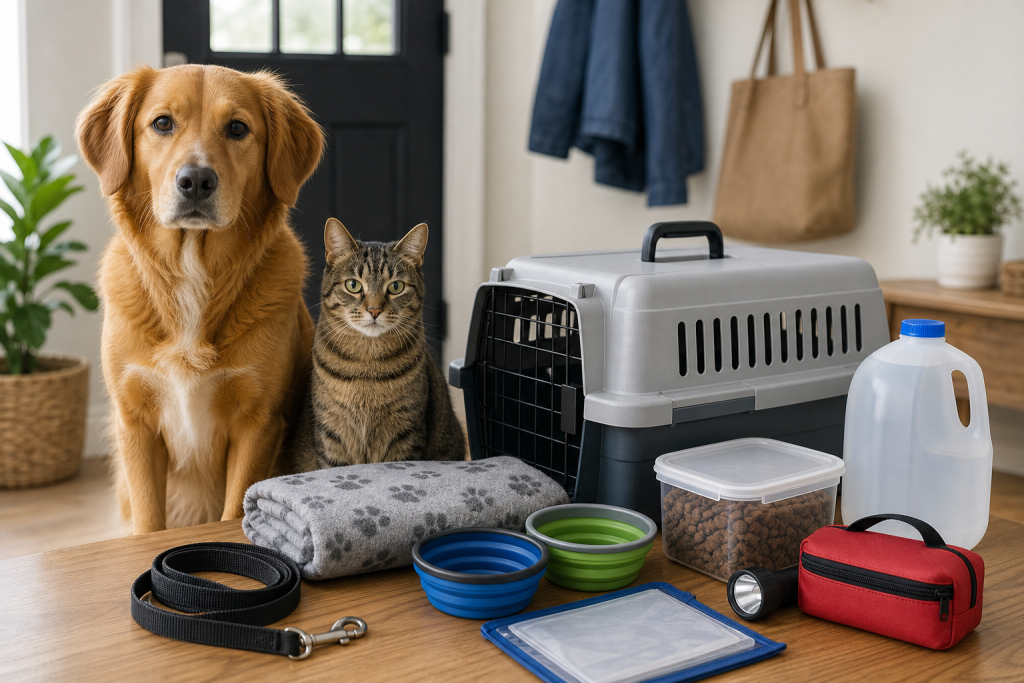
Preparedness sources repeatedly point pet owners toward carriers, crates, leashes, food, water, records, medicine, and identification. The shopping mistake is treating the crate as an accessory instead of part of the safety plan.
The Checkout Test Before You Buy
Use this filter before putting a storm-season crate, carrier, or playpen in your cart.
- Containment: Look for a latch, zipper, or door design your pet cannot nose open from inside. If the listing only shows a relaxed pet lying down, keep checking.
- Structure: A pop-up frame should not collapse when the animal leans on a wall. For strong dogs or escape-prone cats, a rigid carrier or wire crate may be more useful than soft mesh.
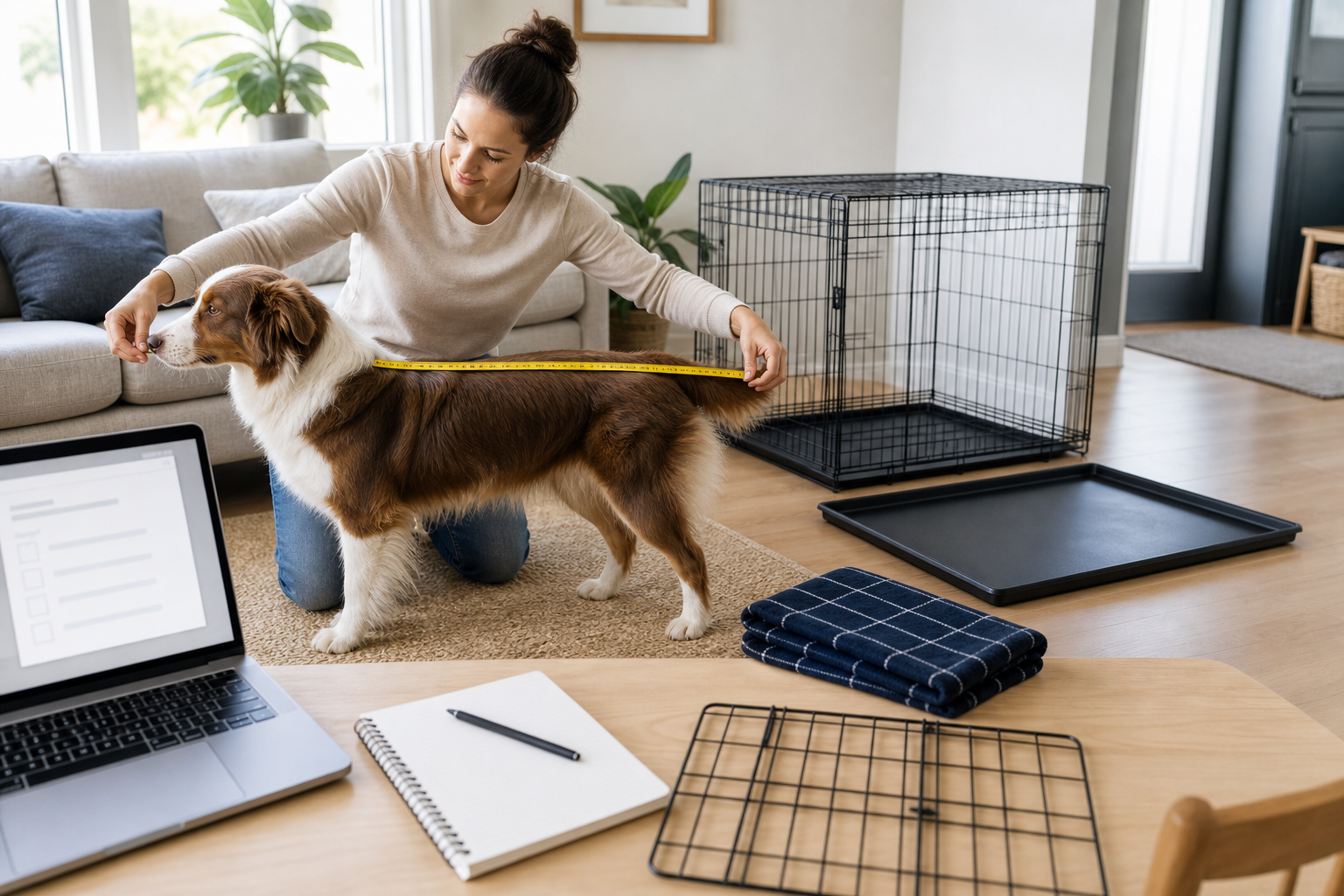
- Correct size: Your pet should be able to stand, turn around, and lie down naturally. Oversizing can make transport awkward, while undersizing can make stress worse.
- Vehicle fit: Measure the actual folded and assembled dimensions against your car, not just your closet.
- Cleaning: Storms, heat, stress, and long waits can mean accidents. Removable trays, washable pads, and wipeable surfaces matter more than decorative fabric.
- Label space: CDC guidance says carriers should have the pet’s name and owner contact details. Make sure there is a safe place to attach a tag or waterproof label.
- Practice time: A crate bought the day before an evacuation is just a box your pet has never seen. Buy early enough to let your dog or cat explore it calmly.
Where The Savings Can Disappear
The sale price is only part of the cost. A low-priced fabric crate can become expensive if you also need a waterproof mat, replacement pad, extra clips, cable ties, car-seat protection, or a second sturdier carrier after the first one feels flimsy.
Before paying, compare the all-in cart. Check shipping fees, return windows, whether opened pet gear can be returned, and whether the seller is the actual retailer or a marketplace seller with different terms. If the product is for a cat, do not assume a dog playpen review proves escape resistance. If it is for a dog, do not assume a photo of a small calm breed tells you anything about a larger or anxious pet.
For multi-pet homes, one large pen is not always smarter than two individual carriers. Separate containment can reduce conflict, simplify transport, and make it easier for helpers to move one pet at a time.
Sturdy Carrier, Wire Crate, Or Pop-Up Pen?
There is no single right answer for every pet. Match the product to the emergency job.
Choose a sturdy carrier when you may need to move a cat, small dog, rabbit, or other small pet quickly. Hard-sided and well-built soft-sided carriers are easier to lift than many crates, and they are often simpler to label and stage near an exit.
Choose a wire crate when the pet is crate-trained, the crate fits your vehicle, and you need stronger temporary containment at a destination. Check door hardware, tray quality, folded size, and sharp edges before relying on it.
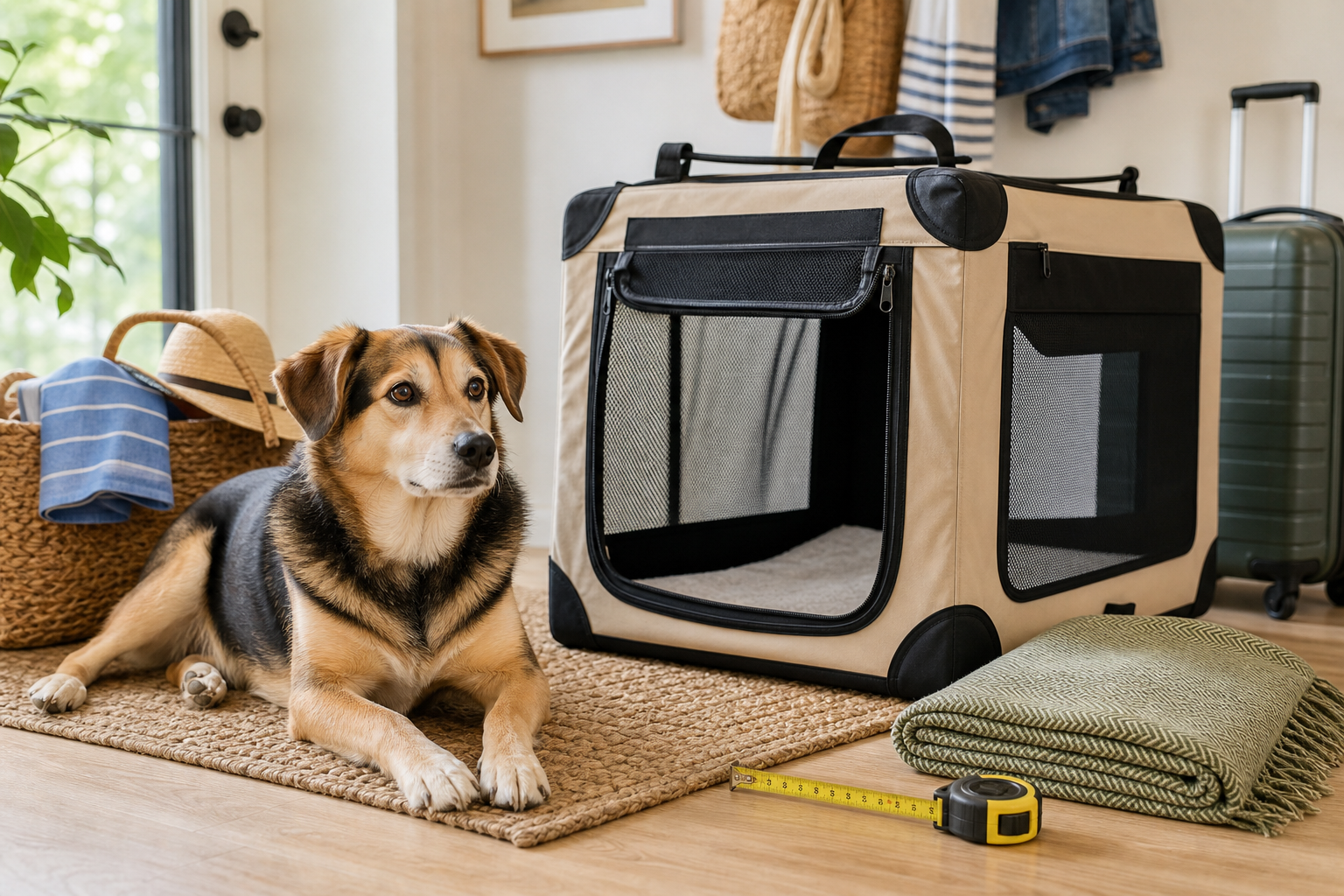
Choose a pop-up pen or fabric crate only when the pet is calm enough for supervised containment and the structure is not your only escape plan. It can be a useful add-on for hotel rooms, foster setups, or indoor waiting areas, but it should not be the only thing standing between a frightened pet and an open door.
What To Avoid
Avoid buying by weight range alone. Breed, body length, height, anxiety level, chewing habits, and whether the pet is already crate-trained all matter.
Skip listings that hide dimensions, do not show the closure system clearly, or make broad “escape-proof” claims without explaining the hardware. Be careful with ultra-light mesh if your pet has ever clawed through a screen, nosed open a zipper, or chewed fabric handles.
Do not wait for a named storm to test assembly. If a crate needs awkward clips, confusing hinges, or two people to fold it, find out before you are packing food, water, medications, records, and litter at the same time.
Quick Answers
Is a pop-up pet crate good for evacuation?
It can help as a supervised temporary space, but it is not always the best evacuation carrier. For transport, many pets need a sturdier carrier or crate that closes securely and can be lifted safely.
Should every pet have its own carrier?
For most emergency planning, yes. ASPCA guidance recommends a traveling bag, crate, or sturdy carrier, ideally one for each pet. Separate carriers also make identification and handling easier.
What else should be near the crate?
Keep food, water, bowls, medication instructions, medical records, ID photos, leashes or harnesses, sanitation supplies, and feeding instructions with the rest of the kit. Rotate food, water, and medications so the kit does not quietly expire.
Sources
- Ready.gov, Prepare Your Pets for Disasters
- ASPCA, Disaster Preparedness
- CDC, Be Prepared: Pet Safety in Emergencies
- CDC, Build a Pet Disaster Preparedness Kit
- Humane World for Animals, Pet Emergency Plan and Disaster Preparedness
Sources last checked: September 1, 2026, 19:33 CEST, Europe/Rome.