
#cat litter deodorizer
#pet odor remover
#pet safe cleaning
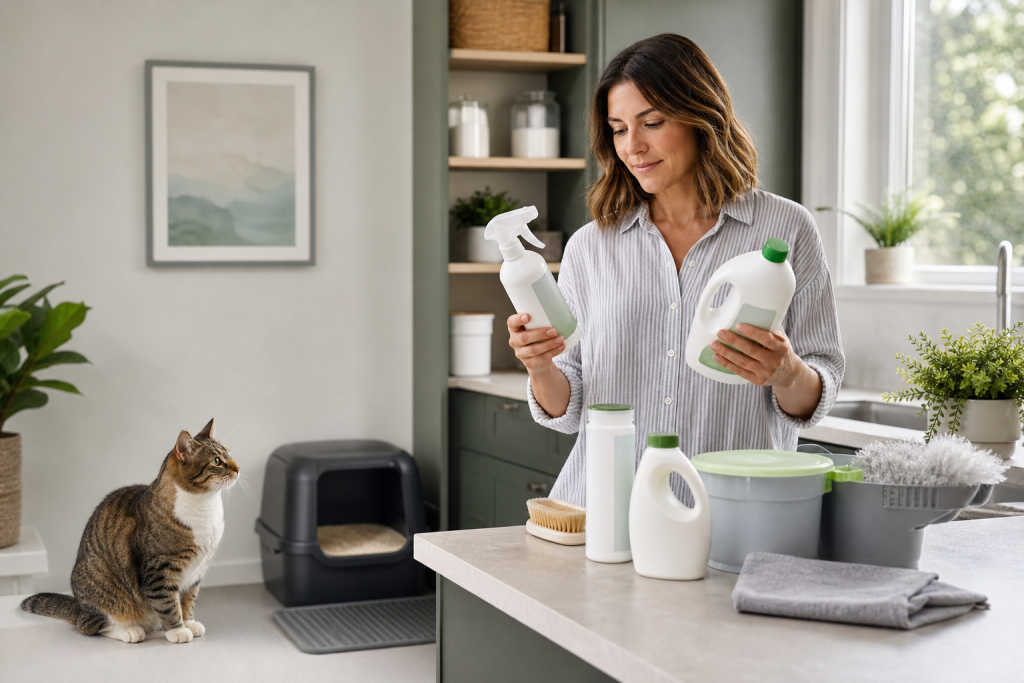
Pet odor eliminator deals can be worth buying, but only if the product solves the real mess and is safe for the pets in your home. Cat owners should be especially careful with disinfectants and heavily scented sprays, because some cleaner ingredients and wet residues can be risky when cats walk through them and groom later. Before you add a cheap odor remover to the cart, check the ingredient warnings, where you plan to use it and whether you need cleaning, disinfecting or just better ventilation.
Pet-cleaning products are getting fresh attention because late-summer shopping guides are full of odor removers, air purifiers, wipes, washable covers and litter-area tools. That makes sense: hot weather, shedding, muddy paws, litter boxes and closed-up rooms can make a home smell stale fast. The problem is that a “fresh scent” badge is not the same thing as a pet-safe plan.
Why This Deal Is Easy To Misread
Many odor products are sold next to pet supplies, so it is easy to assume they are all safe to spray near bowls, beds, crates and litter boxes. The CDC’s pet-supply cleaning guidance separates ordinary cleaning from disinfecting: cleaning removes dirt and germs with soap or detergent, while disinfecting uses chemicals to kill germs on surfaces. That distinction matters at checkout because the strongest-smelling bottle may not be the one you actually need.
If the issue is urine on a rug, look for a product meant for that surface and read whether it needs soaking time, rinsing or a colorfast test. If the issue is a litter box, the CDC says items that touch poop or pee should be disinfected as often as you would disinfect a toilet or bathroom. If the issue is stale air, a filter replacement schedule or washable cover may do more than another scented spray.
The Cat-Safety Check Before You Buy
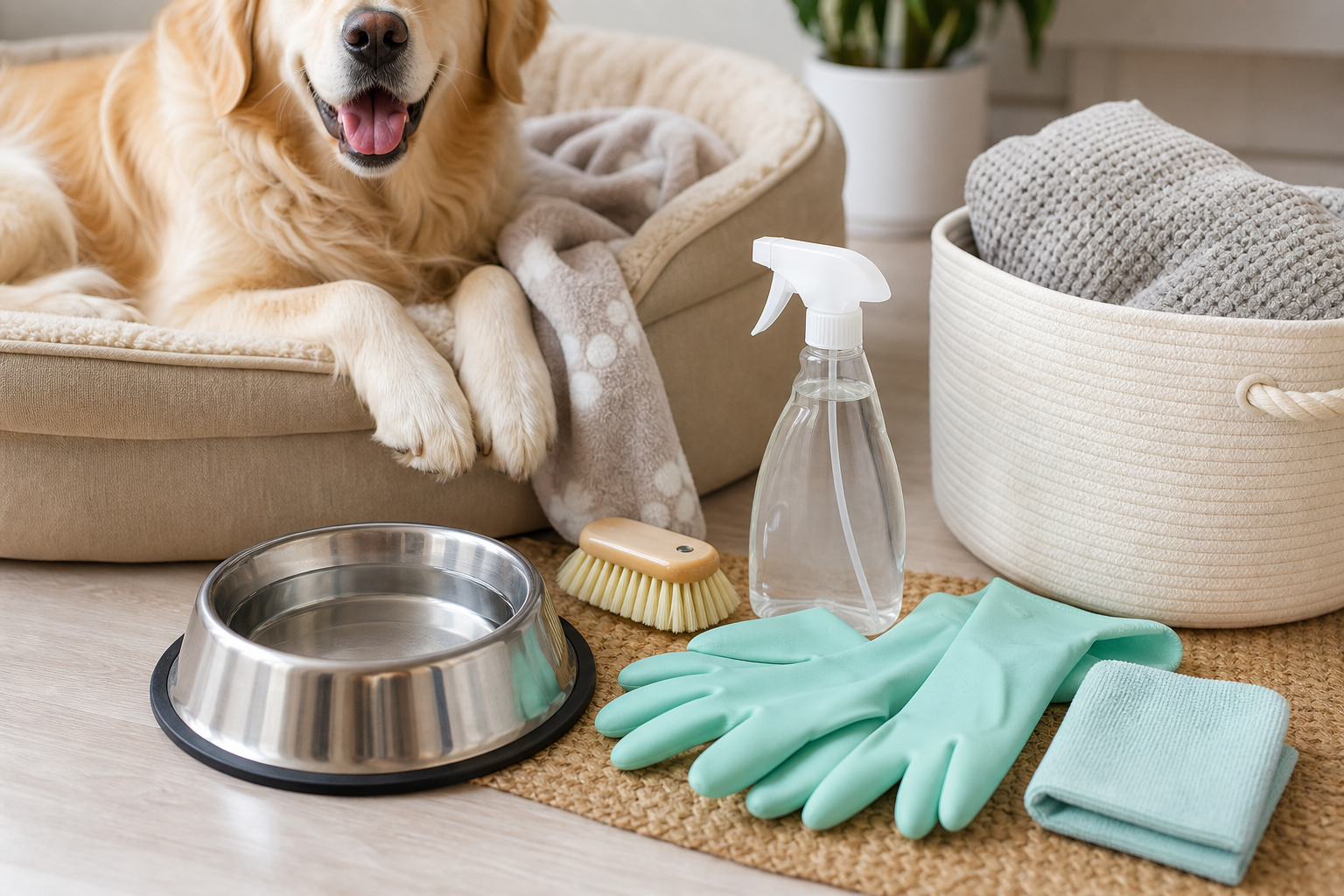
The most important label check for cat households is phenol. CDC guidance says cat owners should not use disinfectants with “phenol” in the ingredient list, including longer ingredient names such as “2-Phenylphenol.” Hill’s Pet also warns that phenol is highly toxic to cats and notes that some disinfecting wipes, sprays and floor cleaners may contain it.
That does not mean every household cleaner is off-limits. It means the safe-use details matter. Keep pets away while you clean, follow the label’s dwell time, rinse when the label calls for it and let surfaces dry fully before pets return. Do not spray a household cleaner directly on a pet, bed, bowl or toy unless the product label clearly says that use is allowed.
How To Shop The Aisle Without Overpaying
Start with the mess you actually have. A urine enzyme cleaner, a litter-box disinfectant, a washable couch cover and an air purifier are not interchangeable products, even if all four are marketed for odor control.
- For urine or vomit on fabric: check the surface list, dwell time, colorfast testing instructions and whether the product is safe after drying.
- For litter boxes: choose a cleaner you can rinse or dry fully, and avoid strong fragrances that may discourage some cats from using the box.
- For bedding and blankets: check whether washing and drying at the right temperature will solve the problem before buying a specialty spray.
- For room odor: compare filter costs, room size and noise ratings before buying an air purifier only because it is tagged “pet.”
- For wipes: separate grooming wipes meant for pets from disinfecting wipes meant for surfaces.
Deal And Coupon Details To Verify
Pet odor removers are common in retailer deal sections, including dog and cat cleaning categories. Before paying, check whether the promotion applies to the exact size, scent or refill you chose. A multi-pack can be a poor deal if you have never tested the scent, the surface compatibility or your pet’s reaction to the cleaned area.
Also check the shipping threshold. Heavy cleaners, litter additives and air-purifier filters can push a cart above a free-shipping minimum, but a bargain can disappear if the product leaks, cannot be returned after opening or needs proprietary refills. Do not rely on a coupon-code site unless the discount appears in the retailer cart and the terms match your order.
What To Avoid
Avoid mixing cleaners, especially bleach with ammonia. CDC guidance warns that this can create dangerous toxic gases. Avoid disinfecting while pets are in the room, and be extra cautious around birds because disinfectant fumes can affect their sensitive respiratory systems.
Avoid “natural” as your only safety test. Hill’s notes that natural language can mislead shoppers because it does not automatically mean pet-safe. Essential oils can also be a problem when they are undiluted, heavily diffused or applied where pets can lick them, so ask your veterinarian if you are unsure about a specific product in a cat or multi-pet home.
Quick Answers
Is a pet odor eliminator better than regular cleaner?
Sometimes. Enzyme products can be useful for organic stains, but ordinary washing, soap and proper drying may be enough for beds, blankets, bowls and toys. Match the product to the surface and mess.
Can I use disinfecting wipes around cats?
Only with caution. Read the active ingredients, avoid phenol-containing disinfectants in cat homes and keep cats away until the treated surface is dry or rinsed according to the label.
Are scented litter deodorizers a good deal?
Not automatically. If a cat dislikes the scent or dust, the cheaper product can create a bigger litter-box problem. Fix box size, scooping frequency, ventilation and cleaning first.
When should I ask a vet?
Ask your veterinarian if your pet has respiratory issues, skin sensitivity, repeated litter-box accidents or any possible exposure to a cleaner. If a pet may have swallowed or contacted a toxic product, contact a veterinarian or animal poison-control service right away.
Sources
- CDC, About Cleaning and Disinfecting Pet Supplies.
- Hill’s Pet, Pet-Safe Disinfectant and Cleaning Products.
- ASPCA, Pet Poisons: Be Mindful of these Household Products and Cleaning Agents.
- People, editor-reviewed pet cleaning shopping signal, used only as a current consumer-demand signal.
- Chewy, Today’s Deals and cleaning category surfaces, used only to verify live retailer deal context.
Sources last checked: August 23, 2026, 01:40 CEST, Europe/Rome.