
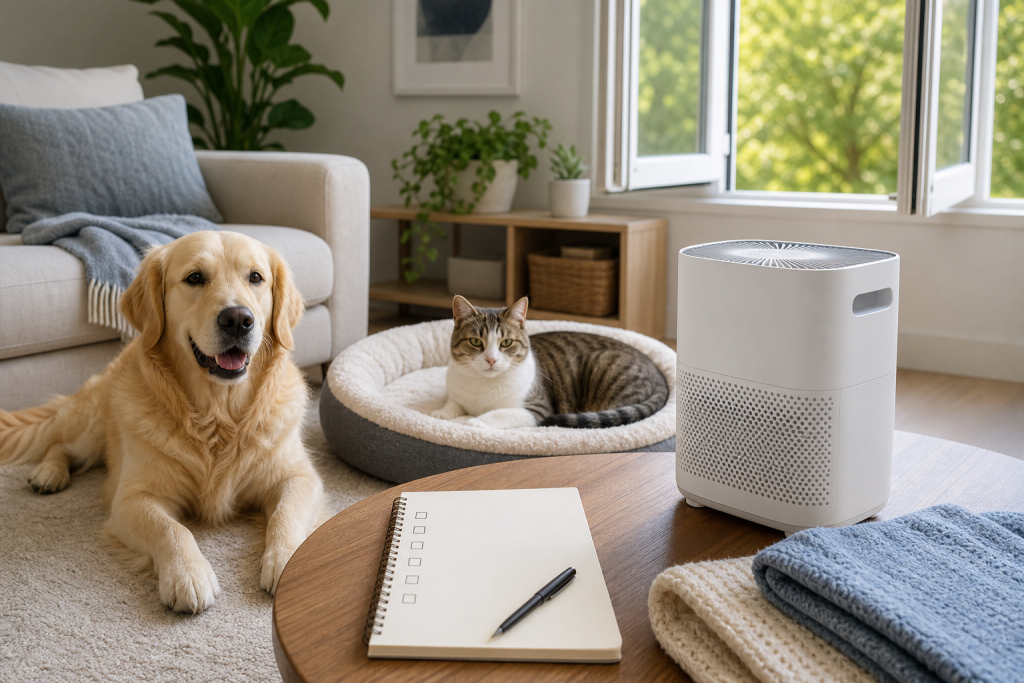
#air cleaners
#ozone generator
#pet cleaning
#pet odor remover
An ozone machine looks like an easy fix for pet odor, but it is not a normal air purifier to run around dogs or cats. Ozone can irritate lungs, and official guidance warns that high-output ozone devices are not approved for occupied spaces. If a listing makes the machine sound like a simple pet-safe odor gadget, check the safety rules before you treat it as a deal.
That matters now because summer heat, closed windows, wildfire smoke, litter-box odor and wet-dog smell push many owners toward quick air-cleaning purchases. A cheap ozone unit can look more powerful than a HEPA purifier or enzyme cleaner, but the tradeoff is that it intentionally creates a reactive gas. For most everyday pet homes, the safer shopping question is not “How strong is it?” It is “Can I remove the odor source without exposing animals or people?”
Why This Deal Is Easy to Misread
Ozone generators are often sold beside air purifiers, pet odor removers and smoke-cleanup products. That placement can make them feel like plug-in household appliances, even though the risk profile is different from a fan-and-filter purifier.
The U.S. Environmental Protection Agency says ozone can damage the lungs when inhaled, and that no federal agency has approved ozone generators for use in occupied indoor spaces. The EPA also notes that at concentrations that stay within public health standards, ozone has little potential to remove many indoor air contaminants and is not considered reliable for many odor problems.
For pet owners, the word “occupied” is the key. A room with a dog, cat, bird, small mammal or person in it is occupied. If the product page buries that point, the discount is not telling you the real cost of using it safely.
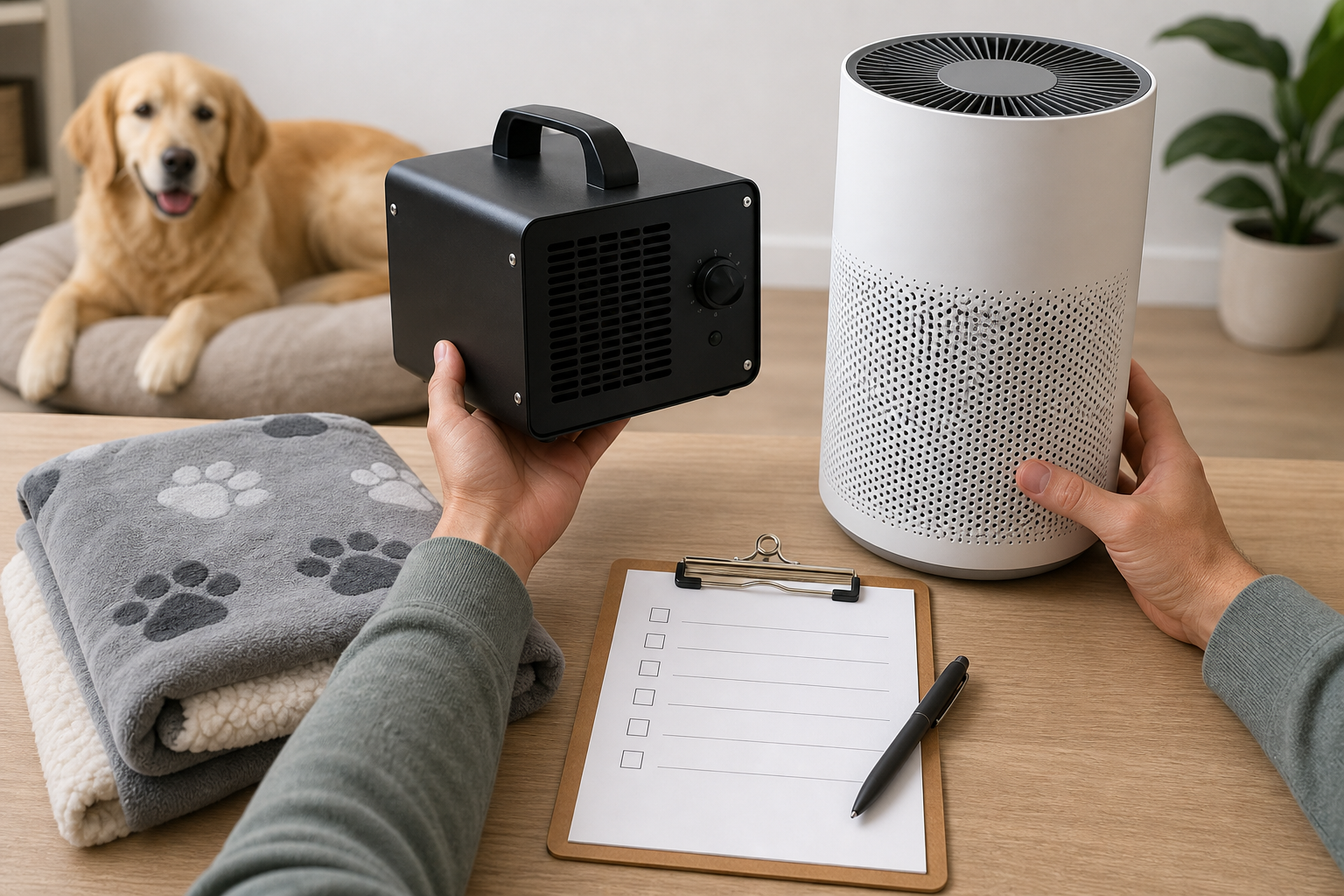
The Checkout Checks That Matter
Before buying any ozone-style odor machine for a pet home, look for these details in the listing, manual and return policy:
- Occupied-space warning: The manual should clearly say whether people, pets and plants must be out of the treated area.
- Ventilation and re-entry instructions: A vague “air out the room” claim is not enough. You need specific instructions and enough control over the space to follow them.
- Room size and output: Oversized units can create more exposure risk if a buyer uses the wrong setting in a small room.
- Certification claims: In California, portable indoor air cleaners sold to consumers must be CARB-certified. CARB also says certification limits ozone emissions but does not prove a device is effective for a particular odor problem.
- Return window: If the machine is unsafe for your living setup, you need to know whether opened appliances can be returned.
- Alternatives already needed: Pet urine, litter odor, bedding smells and wet-dog odor usually require cleaning the source, not just treating the air.
What to Buy Instead for Everyday Pet Odor
For normal pet-home odor, start with the boring products that solve the source: washable bedding, enzyme cleaner for accidents, regular litter-box maintenance, a sealed trash setup, grooming supplies and ventilation when outdoor air is safe.
If the problem is airborne particles, pet dander, pollen or wildfire smoke, a mechanical air purifier with a suitable CADR for the room is usually the more practical shopping path. Consumer Reports notes that mechanical filters can trap particles when they are suspended in the air, while activated carbon can help with some odor-causing gases. Those filters have recurring costs, so compare replacement-filter prices before checkout.
During smoky conditions, CDC guidance says to keep smoke outside and set up a portable air cleaner or filter in a cleaner room. The CDC also notes that pets and other animals can be affected by wildfire smoke. That makes a real filter-based clean-air setup more relevant than a gadget that adds ozone to the room.
When an Ozone Unit Is a Bad Deal
Skip the purchase if the listing suggests you can run the machine while pets are inside, calls ozone “pure air” without clear warnings, or relies on dramatic before-and-after odor claims instead of a real manual. Also be careful with marketplace listings that have no brand support, no downloadable instructions, no warranty path and no clear return terms.
Be extra cautious if anyone in the home has asthma or another respiratory condition, or if you keep birds or small animals. This article is shopping guidance, not veterinary care. If a pet may have been exposed to ozone and is coughing, breathing strangely, acting weak or otherwise seems unwell, contact your veterinarian promptly.
Deal and Coupon Reality Check
A markdown on an ozone machine can still be a poor buy if you cannot use it without clearing the room, ventilating afterward and keeping pets away for the required time. Before paying, compare the delivered price with a filter purifier, replacement filters, enzyme cleaner and washable pet bedding. The cheaper item is not cheaper if it creates a safety problem or sits unused after one nervous trial.
Also check whether the coupon applies only to marketplace sellers, whether returns require the original packaging, and whether the seller charges return shipping on appliances. Do not rely on a sale badge alone for a safety-sensitive product.
Quick Answers
Is an ozone generator the same as a HEPA air purifier?
No. A HEPA-style purifier uses mechanical filtration to capture airborne particles. An ozone generator intentionally creates ozone, which is why the safety instructions are different.
Can ozone remove pet urine smell?
It may react with some odor compounds, but it does not replace cleaning the source. For urine accidents, an appropriate enzyme cleaner and full drying usually matter more than treating the air.
Should I buy one for wildfire smoke and pets?
For smoke, look first at portable air cleaners, suitable filters, room sizing and official smoke guidance. CDC and EPA resources point owners toward keeping smoke outside and using filtration, not adding ozone to occupied indoor air.
What is the safest checkout rule?
If the product page does not clearly explain how to keep people and pets away from ozone exposure, do not buy it for a pet home.
Sources
Last checked: 2026-06-16 22:34 Europe/Rome.
- U.S. Environmental Protection Agency, Ozone Generators that are Sold as Air Cleaners.
- California Air Resources Board, Air Cleaner Information for Consumers.
- California Air Resources Board, List of CARB-Certified Air Cleaning Devices.
- Consumer Reports, Air Purifier Buying Guide.
- CDC, Safety Guidelines: Wildfires and Wildfire Smoke.
- U.S. Environmental Protection Agency, Research on DIY Air Cleaners to Reduce Wildfire Smoke Indoors.