
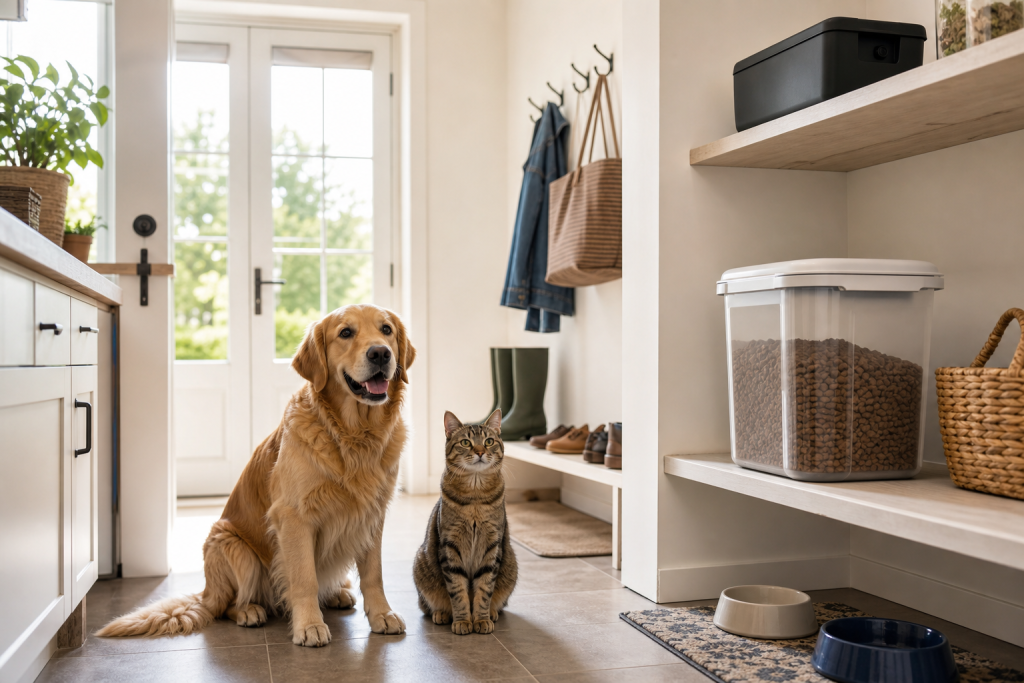
A cheap rodent bait station can still be the wrong buy for a home with dogs or cats if you only check that it locks. Pet owners also need to check the exact pesticide label, the station’s protection rating, where it can be placed, how unused bait is stored and how dead rodents will be removed. If any of those details are vague, the safer deal is usually a non-bait control plan or a professional pest-control visit that accounts for pets.
Fall is when this shopping mistake gets easier to make. Mice and rats look for warmer shelter, stores push indoor pest-control products, and pet owners may be trying to protect stored food in garages, mudrooms and pantries. That does not make every rodenticide product off-limits, but it does mean a discount should never be the first thing you evaluate.
Why this matters now
AAHA’s September 2026 autumn toxin guidance highlights seasonal household exposures as routines change and holiday traffic begins. Rodenticides are not new, but they are a classic fall problem because they sit in the same places pets explore: garages, utility rooms, sheds, basements, porches and behind appliances.
The U.S. EPA says consumer rodenticide bait stations are labeled according to how much protection they provide for young children and dogs, and whether they are weather-resistant. That label detail matters more than a listing phrase like “pet resistant.” A curious dog may chew a station, a cat may find a poisoned rodent, and stored bait can become a hazard if it is left beside food, treats or litter supplies.
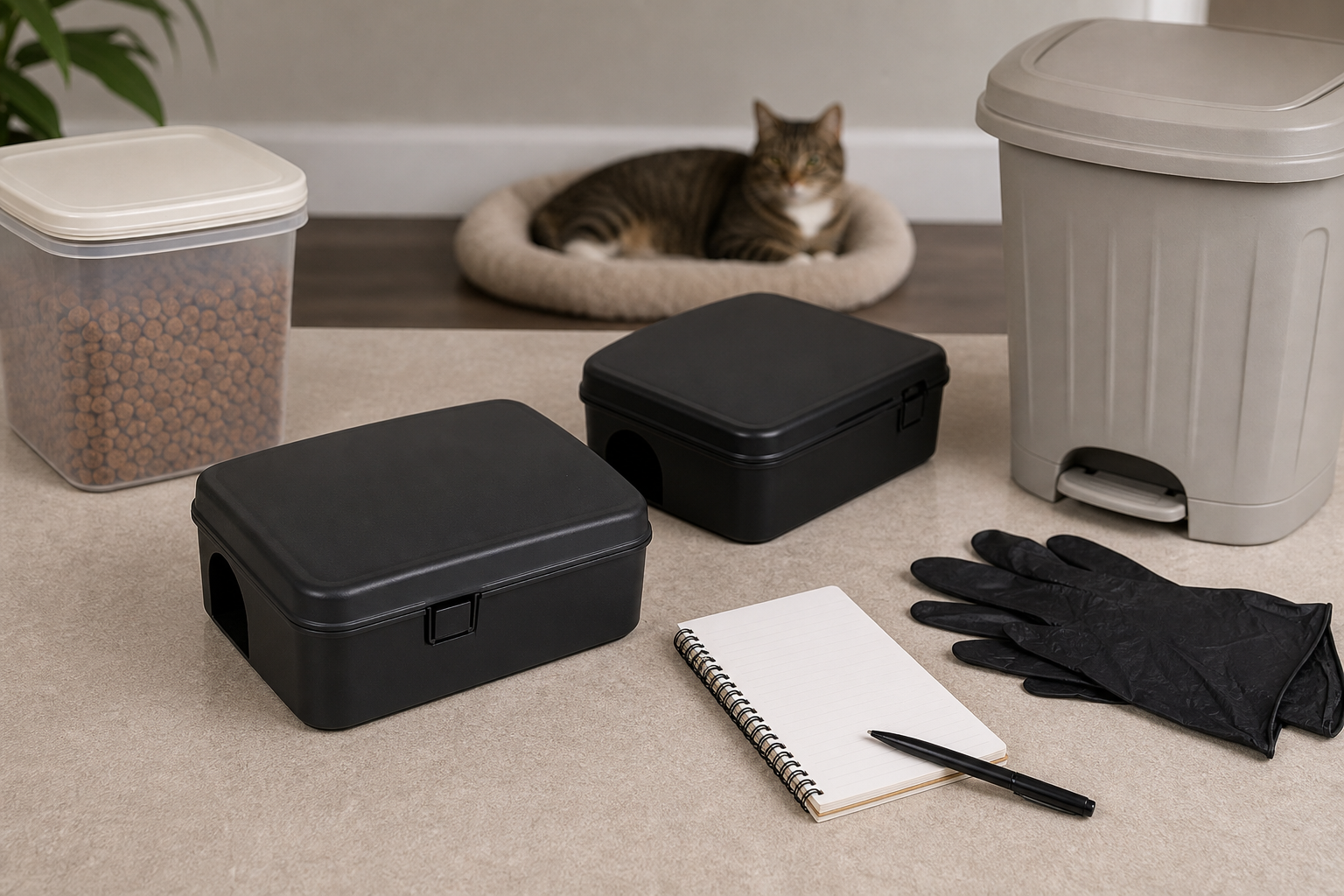
The checkout checks before you buy
Start with the EPA registration number and the full pesticide label. If the retailer page does not show enough label detail, search the product name or EPA registration number before you order. You are looking for allowed indoor or outdoor use, placement restrictions, storage directions, disposal directions and what the label says about pets.
Next, check what kind of station is included. “Ready-to-use bait station” is not the same as “safe for pets.” EPA guidance says stations are meant to reduce access to bait when used as directed, but that still leaves the owner responsible for placement, monitoring and disposal. A station that can be opened easily, moved by a dog, squeezed behind a food bowl or left outdoors without the right weather rating is not a bargain.
Then check the active ingredient and keep the original package information. Rodenticides are not all the same, and poison-control or veterinary teams need the product details if a pet is exposed. Do not pour bait into an unmarked container, split a bulk pack into random bags or throw away the label because the station looks self-explanatory.
Finally, ask whether bait is even the right first purchase. The National Pesticide Information Center recommends integrated pest management steps such as blocking entry points and removing food and water sources. For pet owners, that often means sealing kibble, cleaning under bowls, moving bird seed and livestock feed into secure containers, and fixing gaps before buying more poison.
The deal math is not just the pack count
Rodent-control listings often compete on station count, bait weight and refill bundles. That can push shoppers toward a bigger pack than they can place or store responsibly. In a pet household, the best value may be the smaller pack with clearer label access, sturdier stations and a placement plan you can actually supervise.
Check whether the sale includes loose refills. EPA notes that refillable stations may be sold with bait for filling and refilling, but extra bait creates a storage duty. If you do not have a locked cabinet or another pet-inaccessible storage spot, the refills can be the most dangerous part of the deal.
Also check return terms before you open the package. Pesticide products may have stricter return rules once opened, and the cheapest online listing may not be the easiest one to resolve if the label, station design or placement instructions do not match your home.
What to avoid in a home with pets
Do not place bait near food bowls, water bowls, litter boxes, pet beds, crates or the path your dog or cat uses to get outside. Do not store pesticides next to pet food or treats. EPA specifically warns against storing pesticides next to food, including pet food.
Do not assume “locked” means chew-proof. ASPCA poison-control guidance warns that flavored baits can attract dogs and cats, and dogs may chew open bait stations. That is why placement and supervision matter even when the product is sold in a station.
Do not ignore dead rodents. EPA says dead rodents should be removed promptly to help prevent accidental poisoning of wildlife and pets that might eat them. If your pet hunts, scavenges or patrols the yard, that disposal step is part of the purchase decision, not an afterthought.
Do not treat suspected exposure as a wait-and-see shopping problem. If you think your pet touched, chewed or ate rodenticide, contact your veterinarian, ASPCA Animal Poison Control Center, Pet Poison Helpline, NPIC or the poison-control instructions on the product label right away. Bring or photograph the package and label so the professionals know exactly what product is involved.
A safer buying framework
Before you pay, walk the house and choose exact locations. If every likely placement is accessible to a pet, a bait station deal is failing before checkout. Look for exclusion supplies, sealed food storage, snap traps used inside secure boxes, or a pest-control service that can explain a pet-aware plan.
If you do buy a bait station, buy only what you can place, monitor and store safely. Keep the label, write down where each station is placed, inspect stations often, and make sure everyone in the home knows they are not toys, doorstops or hidden clutter.
For multi-pet homes, think about the pet most likely to break the plan. A senior cat may ignore a shelf, while a young dog may climb, chew or carry objects away. A station that seems reasonable for one animal may still be wrong for the household.
Coupon and retailer checks
If a coupon makes a large pack cheaper, verify that the product type still matches your use case. Do not let a discount push you into outdoor stations when you need indoor placement, refill bait when you cannot store it safely, or a vague marketplace listing with no readable label.
For online orders, check the seller, return window, delivery damage policy and whether the listing shows the full label or registration details. For store pickup, inspect the package before leaving. Damaged stations, torn bait packaging or missing labels should be rejected before they enter a pet household.
Quick answers
Are rodent bait stations pet-safe?
They are not automatically pet-safe. EPA says ready-to-use stations can reduce access to bait when used as directed, but pet owners still need to check the label, station rating, placement, storage and monitoring plan.
Is a tamper-resistant station enough for a dog?
No. It may reduce risk, but ASPCA warns that dogs can chew open bait stations. Keep stations inaccessible, monitor them and avoid buying more bait than you can control.
What should I save after buying rodent bait?
Keep the original package, EPA registration details, active ingredient and emergency instructions. If exposure is suspected, those details help veterinary or poison-control professionals respond faster.
What is the best deal for pet owners?
The best deal is the one that solves the rodent problem without creating a pet-access problem. Sometimes that is sealed storage and exclusion work before any bait purchase.
Sources
- U.S. Environmental Protection Agency, Safely Use Rodent Bait Products.
- U.S. Environmental Protection Agency, Choosing a Bait Station Product for Household Use.
- National Pesticide Information Center, Can rat poison (rodenticides) hurt kids and pets?.
- National Pesticide Information Center, Pets and Pesticide Use Fact Sheet.
- ASPCA, Fact Vs. Myth: Pets and Rodenticide.
- AAHA, Autumn pet toxins: Education, prevention, and signs of exposure.
Sources last checked: September 25, 2026, 07:33 CEST, Europe/Rome.