
#dog fetch balls
#dog toys
#pet deals
#tennis balls for dogs
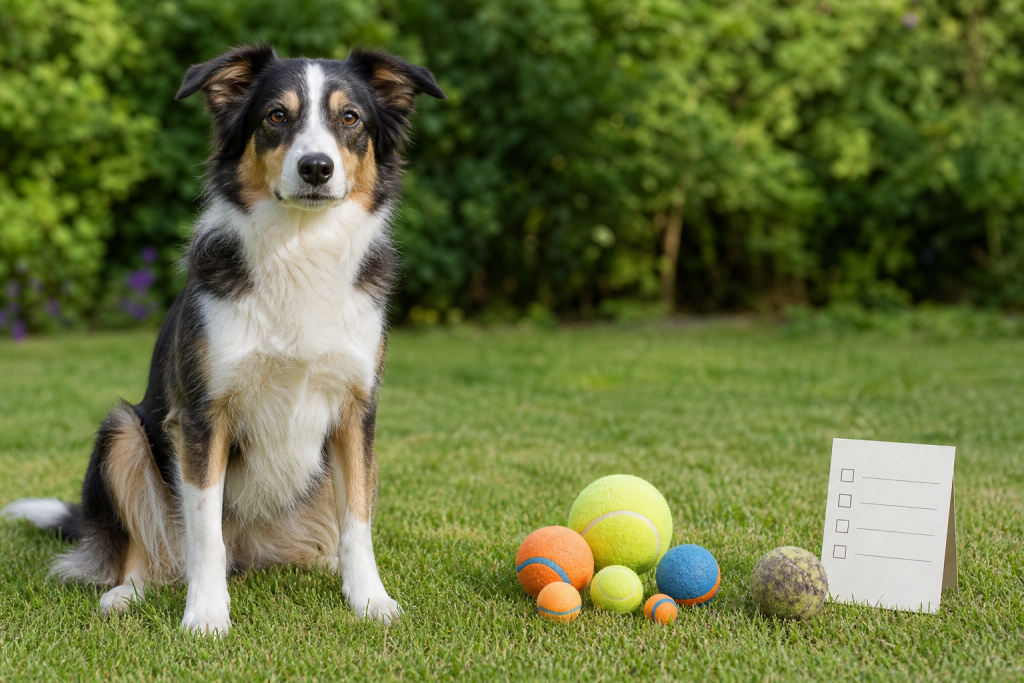
A tennis ball multipack is not automatically a good dog-toy deal. It can become expensive if the balls are too small, easy to shred, abrasive for a heavy chewer or worn out before you expected. The safer buy is a fetch ball that fits your dog’s mouth and play style, then gets replaced before it turns into a choking or chewing problem.
That matters right now because Prime Day and competing summer pet sales are pushing dog toys, aggressive-chewer toys and pet essentials into deal feeds. A low unit price is useful only if the ball is still the right toy after the first few fetch sessions.
Why the cheap multipack can backfire
Dog owners often buy tennis-style balls because they are familiar, easy to throw and cheap in bulk. The catch is that a ball made for casual fetch is not the same thing as a chew toy. If your dog carries the ball, drops it and waits for the next throw, you are shopping for a fetch item. If your dog parks on the lawn and crushes it, you are shopping for a chew risk.
The American Kennel Club warns that powerful jaws can break tennis balls and create choking hazards, while the fuzzy surface can contribute to tooth wear when dogs chew them repeatedly. Humane World for Animals gives a simpler rule: tennis balls can work for fetching, but owners should discard balls that have been chewed through because they can become choking hazards.
That does not mean every fetch ball is unsafe. It means the checkout question is not “How many balls do I get for the price?” It is “Will this specific ball survive the way my dog actually plays?”
The size check matters more than the discount
Before buying a multipack, check the diameter against your dog’s mouth, not just the product’s breed label. A ball that is too small can slide too far back in a large dog’s mouth. A ball that is too big may frustrate a small dog, push the jaw awkwardly or simply never get used.
Center for Pet Safety has warned that ball toys can create choking or suffocation risks, especially when a ball can lodge in a dog’s throat. This is one reason mixed-size households need extra caution. A ball that is fine for a small dog may be a hazard for a larger dog in the same home.
If you are unsure, skip the bulk pack and buy one or two test balls first. The “deal” is weak if half the bag has to stay hidden because one dog in the house can swallow or crush them.
What to check before you buy fetch balls
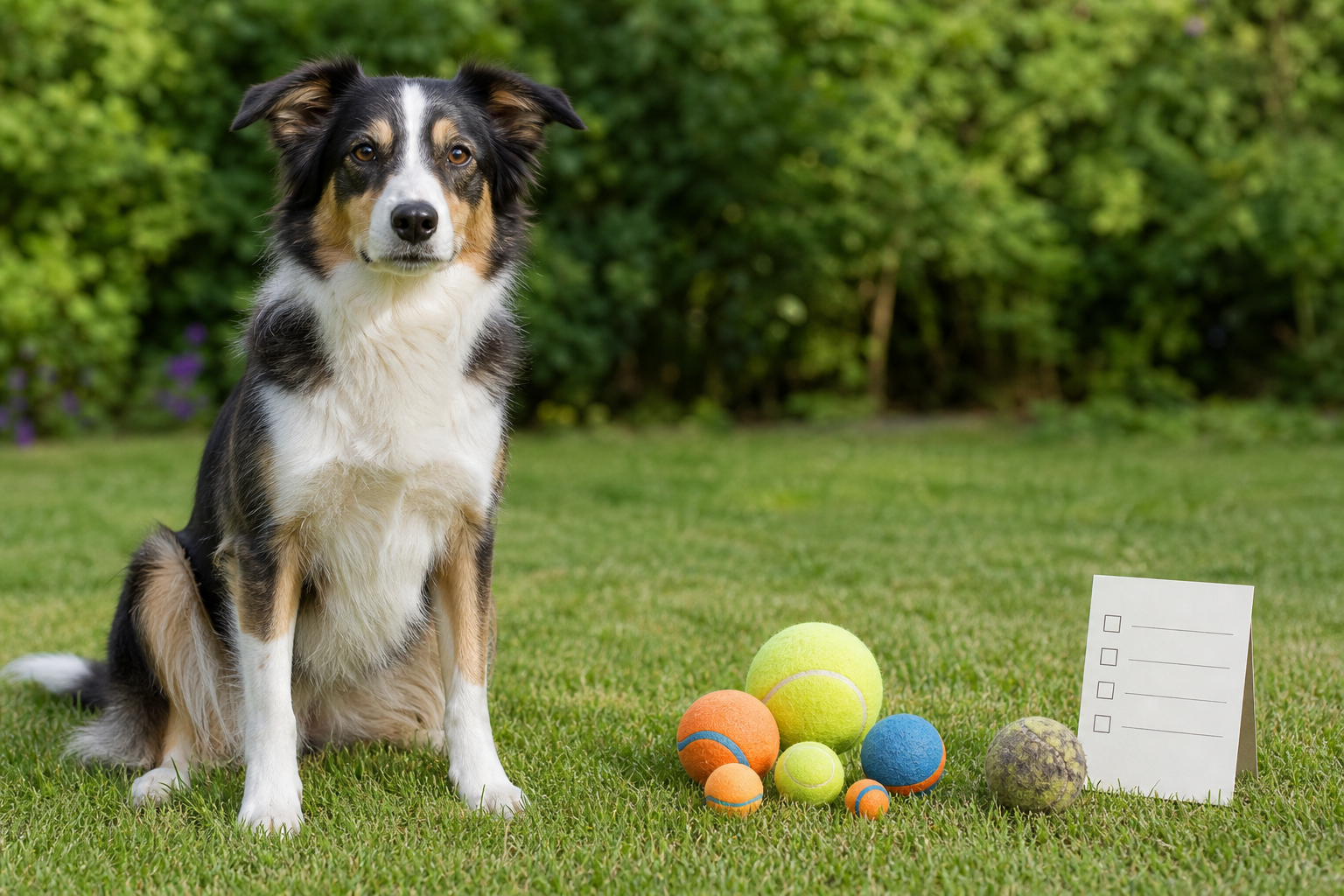
Use the product page like a safety checklist, not a sale page. Look for the ball’s exact diameter, material, intended use and cleaning instructions. If the listing says “tennis ball” but gives no dimensions, no material detail and no size guidance, that is not much information for a dog who chews hard.
For strong chewers, consider balls designed specifically for dogs rather than ordinary sport tennis balls. Dog-specific rubber fetch balls may be easier to rinse, easier to inspect and available in size ranges. They still are not indestructible. Texas A&M’s veterinary guidance on pet-toy dangers stresses that toys should be appropriately sized and inspected because choking and dental accidents can happen when toys do not match the animal.
Also check the texture. Fuzzy balls collect grit, sand and saliva quickly. If your dog chews the fuzz, carries the ball in dirt or grinds it between the back teeth, the replacement schedule matters. A washable rubber ball that costs more up front may be cheaper than a giant pack you have to throw away quickly.
The deal and coupon checks before paying
Prime Day 2026 runs June 23 to June 26 for Prime members, and current pet-deal coverage includes toys and aggressive-chewer products. That makes this a good week to compare toy prices, but it is not a reason to buy the biggest pack without checking the details.
Before checkout, verify these points:
- The sale price applies to the size you actually need, not only a smaller ball.
- The multipack is sold by a reputable seller with clear return terms.
- The product page explains whether the ball is for fetch, chewing or supervised play only.
- The listing shows replacement availability, especially if the balls fit a launcher you already own.
- Any coupon, Subscribe & Save or bundle offer still makes sense after shipping, membership requirements and future reorder price.
PetSmart’s coupon policy notes that coupons may not be valid with every discount or offer. Chewy’s return policy is broad, but toy returns can still be inconvenient if you discover the size is wrong after opening the pack. For marketplace purchases, check the seller name, shipping origin and return window before the price badge wins.
What to avoid
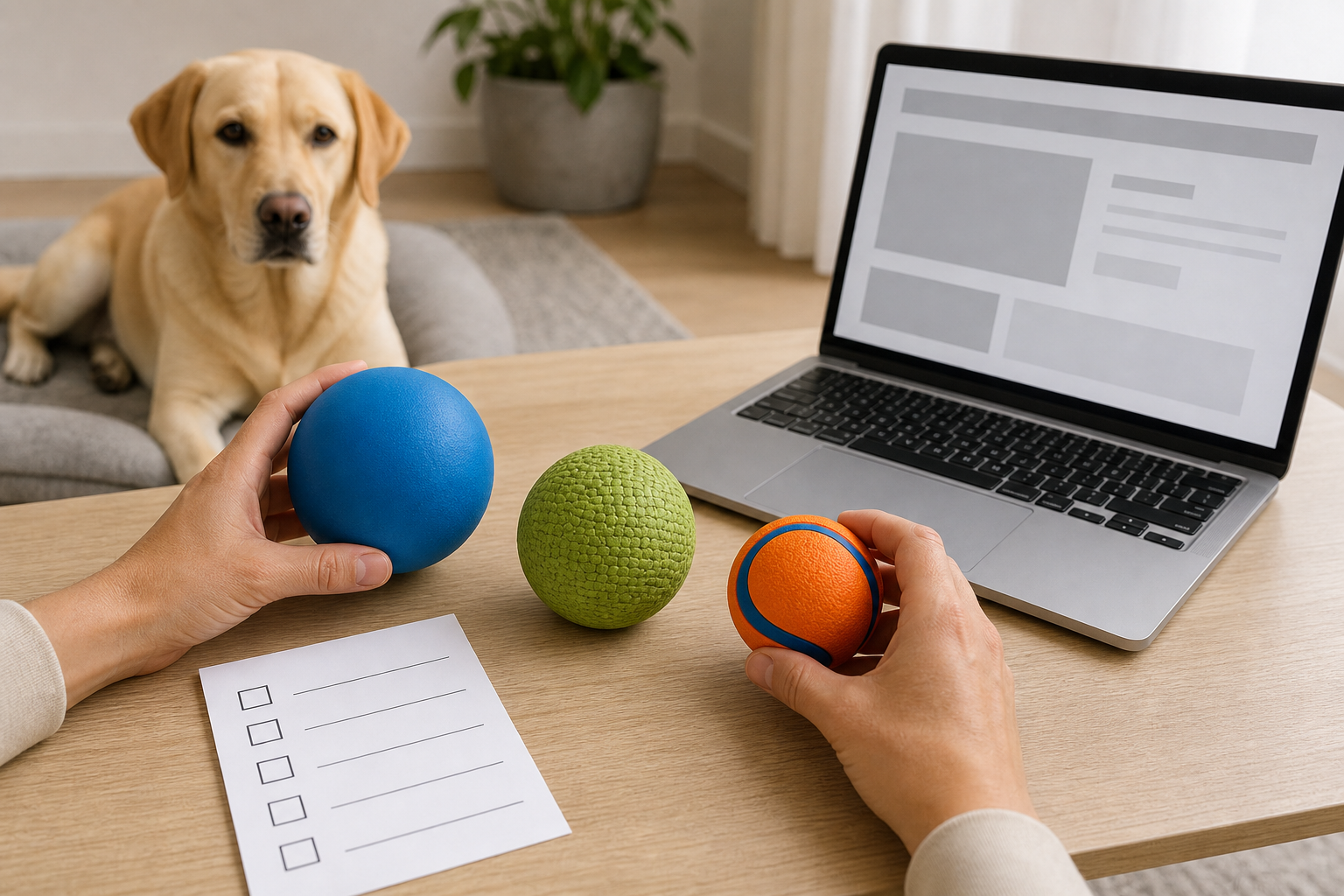
Avoid buying mini tennis balls for a dog that can fit them fully in the mouth. Avoid leaving fetch balls out as all-day chew toys, especially for dogs who peel fuzz, split rubber or crush balls until they pop. Avoid old balls with loose covers, cracks, missing chunks or trapped grit.
Be careful with “indestructible” language. No dog toy is indestructible for every dog. If your dog destroys toys quickly, choose a product built for supervised chewing and ask your veterinarian or a qualified trainer if the chewing seems intense, sudden or linked to anxiety, pain or boredom.
Do not use a ball launcher to fire a ball toward your dog’s face. If you use one, launch away from the dog into open space and keep the play session supervised. Replace balls that deform, split or become slippery enough to lodge more easily.
A better buying rule
For many dogs, the best fetch-ball purchase is not the cheapest multipack. It is a small set of correctly sized balls that you can clean, inspect and replace without hesitation. If your dog only fetches, a tennis-style dog ball may be fine with supervision. If your dog chews hard, shop by material, size and durability first, then by price.
The easiest checkout test is simple: would you still buy this ball if it were not on sale? If the answer is no because the size, material or return terms are unclear, the discount is doing too much of the work.
FAQ
Are tennis balls always bad for dogs?
No. They can be useful for supervised fetch with the right dog. The problem is chewing, shredding, poor sizing and continued use after the ball is damaged.
Should I buy dog-specific balls instead of sports tennis balls?
Often, yes. Dog-specific fetch balls are more likely to provide size options, cleaning guidance and pet-use warnings. Still inspect them regularly and supervise play.
How often should I replace fetch balls?
Replace them when they split, lose chunks, peel, flatten, collect grit or become easy for your dog to compress. Do not wait for the whole multipack to look worn.
Can a ball be too small for a dog?
Yes. A ball that fits fully in the mouth can become a choking risk, especially for larger dogs or strong chewers. Size for the biggest dog who may access the toy.
Sources
Sources last checked June 24, 2026, 10:34 Europe/Rome.
- American Kennel Club, Are Tennis Balls Safe for Dogs?
- Center for Pet Safety, Pet Safety Warnings and Advisories, including ball-toy warning
- Humane World for Animals, How to Pick the Best and Safest Dog Toys
- Texas A&M University College of Veterinary Medicine & Biomedical Sciences, Hidden Hazards: A Guide To The Potential Dangers Of Pet Toys
- Amazon, Prime Day 2026
- Good Morning America, Prime Day 2026 pet deals context
- PetSmart, Coupon policy
- Chewy, Return policy